
Skip to content
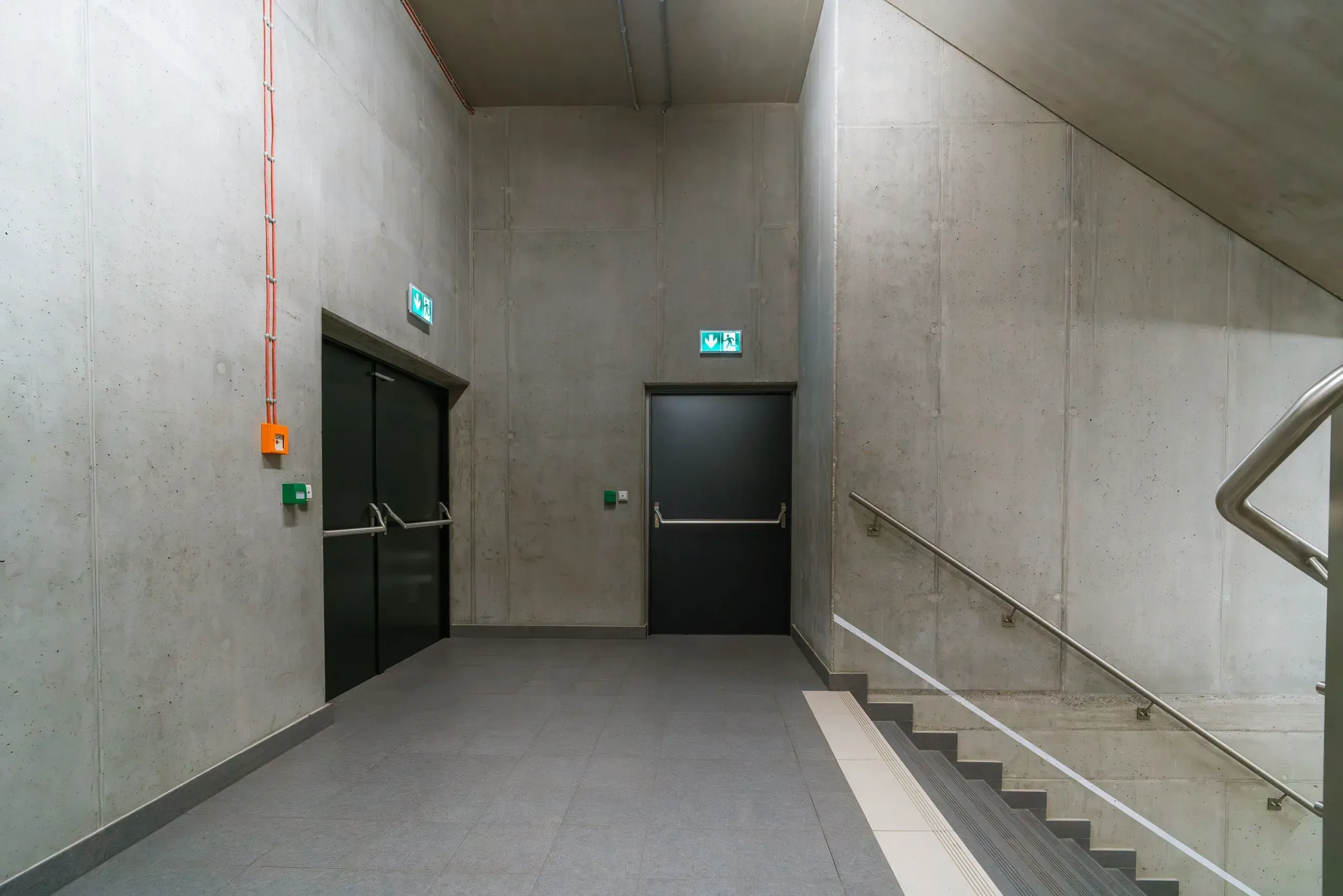
Modern concrete stair core with an emergency exit door, panic bar and exit sign

Fire door inspections, repairs and installation

Centurion arranges fire door inspections, repairs and installation for workplaces and blocks of flats. Tell us whether you’re investigating a concern, following up a report or planning new doors, and we’ll help you take the next step.

Fire door surveys and the work that follows

You may need to understand the condition of your doors, deal with faults already reported or fit new doors during a refurbishment. We can arrange the specialist work for each stage.

  • Fire door inspections

    The inspection covers the door and frame, gaps, hinges, seals, glazing and closing devices. Existing records and the door’s role in the building help the specialist assess what needs attention.

  • Reports and priorities

    A fire door inspection report identifies the doors needing attention and recommends the next steps. Clear door references help your team match each finding to its location and keep track of outstanding work.

  • Fire door repairs

    Faulty closers, damaged seals or loose hinges may be repairable without replacing the whole door. The specialist checks which repairs and components are suitable for the particular door.

  • Fire door installation

    New fire doors can be supplied and fitted for refurbishments or where existing doors need replacing. The door, frame, glazing and hardware are specified together for the opening and the protection needed.

  • Fire door maintenance

    Regular use takes its toll on fire doors. Planned maintenance helps identify wear and deal with faults, with visits arranged around the doors’ condition and how often they are used.

  • Help with an existing report

    Already have a fire door survey? Send us the report and door locations. We can arrange a review of the findings and a quotation for repairs or replacement, with further investigation where needed.

Plan fire door work around your building

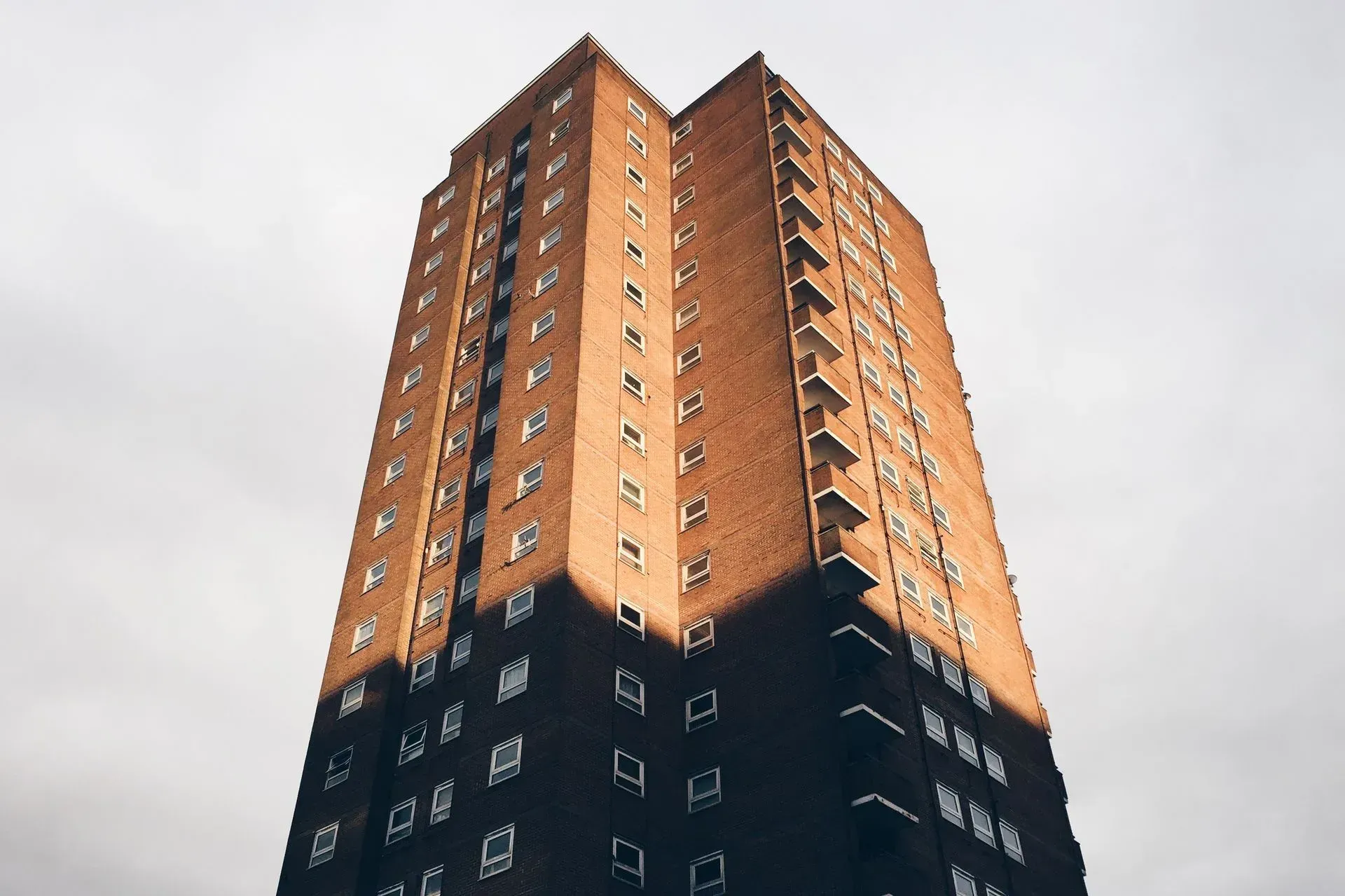
Blocks of flats

A communal corridor and someone’s front door need different access arrangements. For flat entrance doors, plan appointments with residents so both sides can be examined. Share your fire risk assessment and any previous door reports, including doors that could not be accessed.

  • Resident appointments Tell us how residents are contacted and when access is possible. Some doors may need a return visit.
  • Communal doors Include relevant doors to stairs, lobbies, corridors and service cupboards when you discuss the survey.
  • Previous changes Records of altered or replaced doors help the specialist understand what is already installed.

Often paired with

Occupied workplaces and care settings

Doors on a delivery route get different use from bedroom or classroom doors. Tell us which doors are damaged, difficult to close or causing concern, and when the rooms are occupied. We’ll discuss access around lessons, guest arrivals or care routines before arranging the work.

  • Access and timing Identify busy periods and restricted rooms, including areas where people need help to move around.
  • Closing and hold-open devices Flag doors that stick or fail to close, and any hold-open devices connected to the fire alarm.
  • Routes people need Keep the building’s escape arrangements in the conversation when planning work on occupied corridors and rooms.

Often paired with

Repairs after a survey

A report may recommend several kinds of work across the same building. Send the findings and supporting photographs so the specialist can review what each door needs. Suitable repairs can address individual faults; badly damaged or unsuitable doors may need replacement.

  • Locate each defect Door numbers, floor plans or clear locations help match the recommended work to the right door.
  • Understand the recommendation The quotation should explain the proposed repair or replacement and identify anything that needs further investigation.
  • Record the result Keep completed work against the door reference, so your team can see which actions remain outstanding.

Often paired with

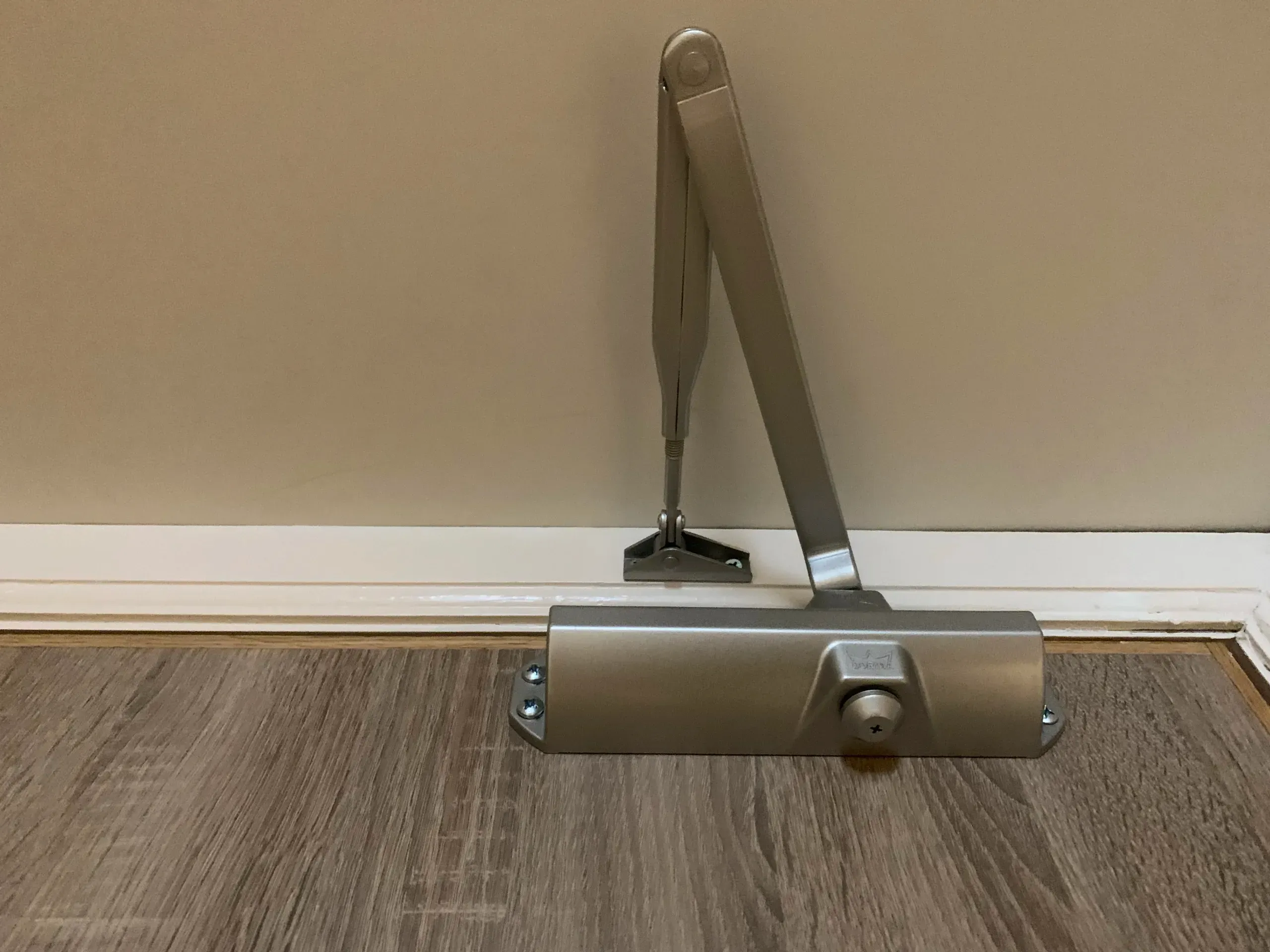
Photo: A door closer by Dorma in the UK.jpg , Tbatb. CC BY-SA 4.0 . Cropped and resized; adaptation under CC BY-SA 4.0.

The right work for each fire door

The door, frame and fittings need to work together. Before repairs or replacement are specified, the specialist considers the door’s condition, available records and the protection it needs to provide in that location.

  • Your fire risk assessment and available door records
  • The doors to be examined and how each will be accessed
  • The inspection’s limits, including any concealed areas
  • Findings and recommended work linked to each door

What if the original certificate is missing?

For existing flat entrance doors in England, missing certification alone does not mean replacement is needed. Their suitability should be considered in the building’s fire risk assessment.

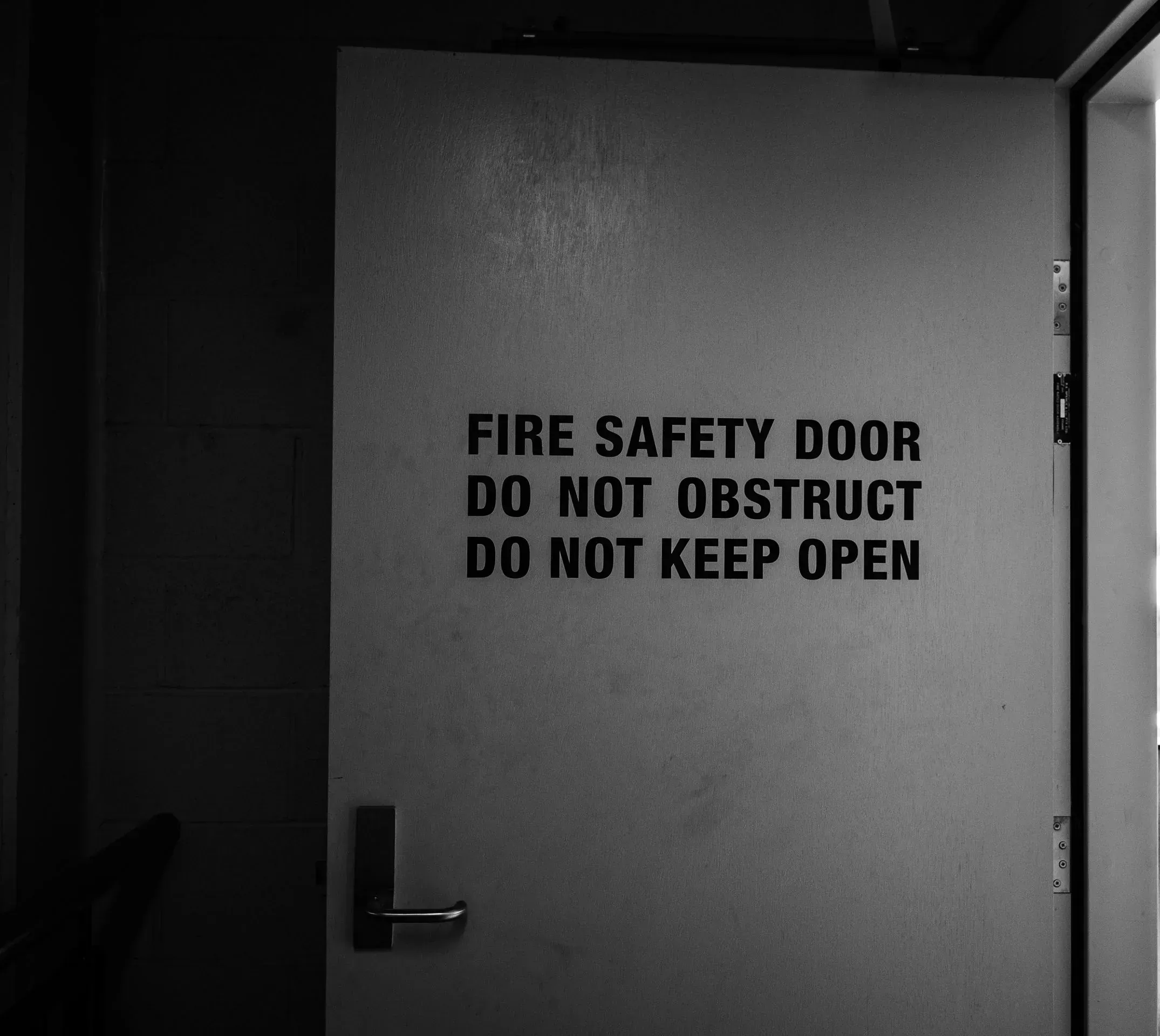
A fire door in a stairwell, signed "Fire safety door, do not obstruct, do not keep open", in black and white

Arranging your fire door work

Start with what you know about the building and the work needed. Centurion arranges the appropriate specialist and remains your point of contact.

  1. At enquiry

    Tell us about the building

    Send the address, building use and approximate door count. Include any fire risk assessment findings or inspection report you already have.

    You get: A starting point for the survey or quotation

  2. At the planned visit

    Survey and recommendations

    Agree the doors and access before the visit. The specialist records findings, recommended actions and any inspection limits.

    You get: Door findings and recommended next steps

  3. Once the work is agreed

    Repairs or new installation

    Review the recommendations and quotation before work starts. Keep records of repairs or installation with your door information.

    You get: Repair or installation records

  4. Visits planned for your building

    Keep up with wear and damage

    We can arrange ongoing fire door maintenance. Keep inspection and repair records together, report new damage promptly and review outstanding actions with the person responsible for the building.

    You get: Maintenance records and outstanding actions

Questions about fire door inspections and repairs

How often should fire doors be inspected?

Specialist survey intervals depend on the building’s risks and how the doors are used. Separate routine-check rules apply to blocks of flats in England whose top storey is more than 11 metres above ground: communal fire doors must be checked at least every three months, with best endeavours to check flat entrance doors at least every 12 months. These rules do not require a full specialist survey at each visit.

Do routine fire door checks need a specialist?

Not necessarily. Government guidance says suitably instructed caretakers, managing agents or maintenance staff can carry out the simple checks required by the Fire Safety (England) Regulations 2022. Specialist advice may be needed to investigate concerns about a door’s suitability or arrange repairs. Routine checks do not replace the fire risk assessment.

Does an inspection provide fire door certification?

An inspection reports on the doors examined and the findings. It does not turn an existing door into a newly tested or certified product. Before booking, confirm what the inspection will cover, what report you will receive and whether any further investigation may be needed.

Can an existing fire door be repaired instead of replaced?

Often, yes. A problem with a closer, hinge or seal may be resolved with a suitable repair. The specialist needs to consider the door’s condition, available evidence and the performance needed before recommending work. A door that cannot be suitably repaired may need replacing. We can also arrange a review of findings from another company’s survey.

How much does a fire door inspection cost?

The number and type of doors, the depth of the inspection and access all affect the price. A block needing individual resident appointments differs from a workplace where every door can be reached during one visit. Send us the address, approximate door count and any existing findings. The quotation should make clear what the survey includes; repairs and new doors are priced separately.

Is a fire door survey the same as a fire risk assessment?

No. A fire risk assessment looks at the building’s wider fire risks and precautions. A fire door survey examines particular doors in more detail and records their condition and recommended actions. It can investigate a concern raised by the assessment, but it does not replace assessment of the rest of the building.