
Commercial Fire Risk Assessments
Commercial fire risk assessments for workplaces, landlords and managed premises across Northern England, with a written report and prioritised action plan for the responsible person.
 National Security Inspectorate
Highest grade security and quality
National Security Inspectorate
Highest grade security and quality
 Fire risk assessment
SP205 third-party certified
Fire risk assessment
SP205 third-party certified
 Fire Industry Association
Full member
Fire Industry Association
Full member
 Contractor Health and Safety
Accredited contractor
Contractor Health and Safety
Accredited contractor
The assessment follows the building, the people and the management routine
Fire risk is different in a managed office, a warehouse, a school, a healthcare setting or a multi-tenant building. The assessment should reflect the way people actually use the premises.
The final report should make actions clear enough for facilities teams, landlords and responsible persons to plan what happens next.
From enquiry to action plan
Scope the premises
We confirm the building type, use, access needs and any information needed before booking the assessment.
Assess on site
The assessor reviews fire hazards, people at risk, escape arrangements, management controls and existing fire safety measures.
Issue the report
You receive written findings and prioritised actions so the responsible person can understand what needs attention.
Plan the next step
Where actions relate to fire alarms, maintenance or wider fire safety works, the next route is made clear.
Commercial premises that often need assessment support
Workplaces and offices
Assessment support for offices, business units and workplaces where staff, visitors and contractors use the building daily.
Managed buildings
Useful for landlords, property managers and shared premises where responsibilities and common areas need clear documentation.
Higher-complexity premises
Sites with changes in use, larger occupancy, sleeping risk or operational constraints may need more careful scope before booking.
The report should help people act
A good assessment makes the next decision easier. It should separate urgent action, planned improvement and routine management tasks.
Prioritised findings
Actions are set out so the responsible person can understand what needs attention first.
Linked services
Where findings relate to fire alarms or maintenance, the relevant Centurion route is easy to find.
Review-ready records
The report gives a clearer basis for future reviews and internal follow-up.
Fire safety work with clear evidence routes
Check scheme details
Current accreditation details are held on the accreditations page so buyers can verify the active scope before sign-off.
View accreditationsWritten findings
The output is designed to help the responsible person see findings, priorities and follow-on actions in one place.
Routes for remedial work
Where actions point towards fire alarm systems or maintenance, the relevant solution pages can carry that next step.
Fire safety services that often sit beside an assessment
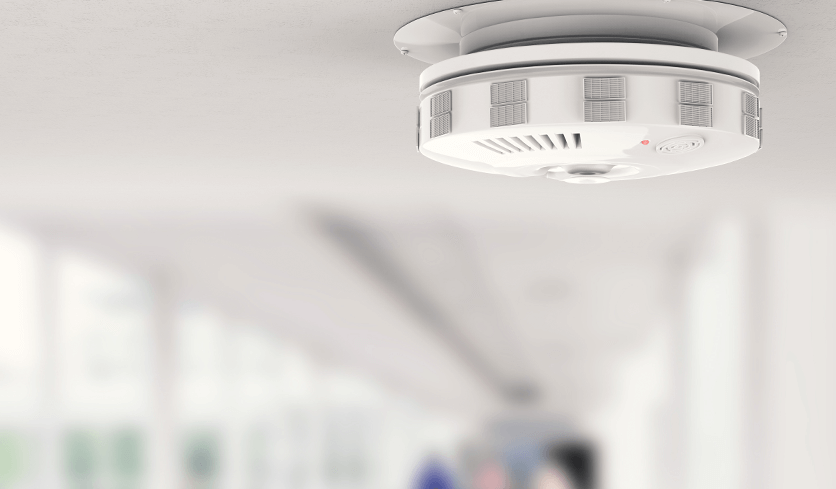
Fire alarm systems
For new fire alarm design, installation or replacement work following assessment findings.
View fire alarms →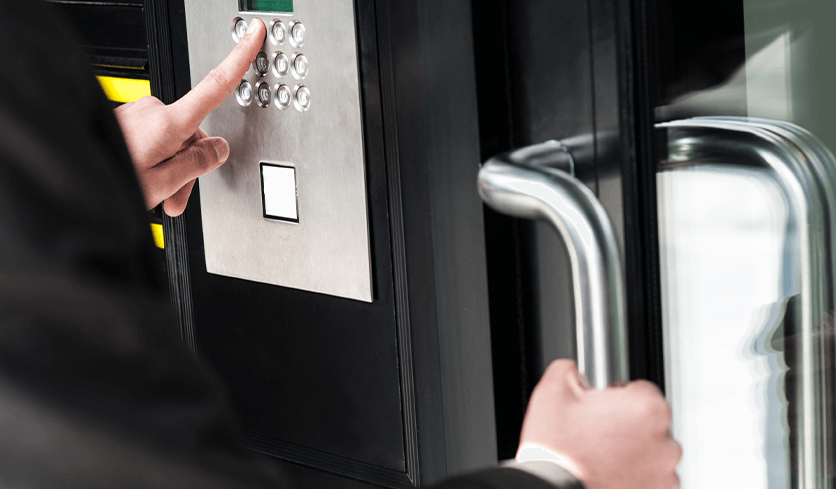
Access control
Door access systems and electronic access control to secure premises and manage authorised movement following assessment recommendations.
View access control →
Intruder alarms
Intruder detection systems and monitoring that support overall site safety and security identified during the assessment.
View intruder alarms →Frequently asked questions
Is a fire risk assessment a legal requirement?
Yes. Under the Regulatory Reform (Fire Safety) Order 2005, the responsible person for almost every non-domestic premises in England and Wales must carry out a suitable and sufficient fire risk assessment and keep it up to date. Where five or more people are employed, the significant findings must be recorded.
How often should a fire risk assessment be reviewed?
There is no fixed legal interval, but the assessment must be reviewed regularly and whenever there is a significant change to the building, its use or occupancy. Many businesses review annually and carry out a full re-assessment every one to two years, or sooner in higher-risk premises.
What is the difference between a fire risk assessment and a fire safety inspection?
A fire risk assessment is the responsible person’s own duty under the Fire Safety Order – identifying hazards, evaluating risk and setting an action plan. A fire safety inspection is usually an audit by the local fire and rescue service to check compliance. A good assessment helps you pass an inspection.
Who can carry out a fire risk assessment?
The law requires a competent person. For anything beyond the simplest premises, that means an assessor with the training, experience and accreditation to do the job – our assessors work to the PAS 79 methodology and hold BAFE SP205 accreditation.
How much does a commercial fire risk assessment cost?
Cost depends on the size and layout of the premises, whether there is sleeping accommodation, and the scope required. We provide a fixed-price quote before any work begins, so there are no surprises.
What does a fire risk assessment include?
A PAS 79 assessment covers the building and its use, the people at risk, fire hazards and ignition sources, existing fire precautions (detection, alarm, escape routes, signage, extinguishers), and a prioritised action plan to reduce risk to an acceptable level, all set out in a written report.
Request a fire risk assessment quote
Tell us about the premises, its use and any access constraints. We will confirm what is included before the assessment is booked.