





Skip to content
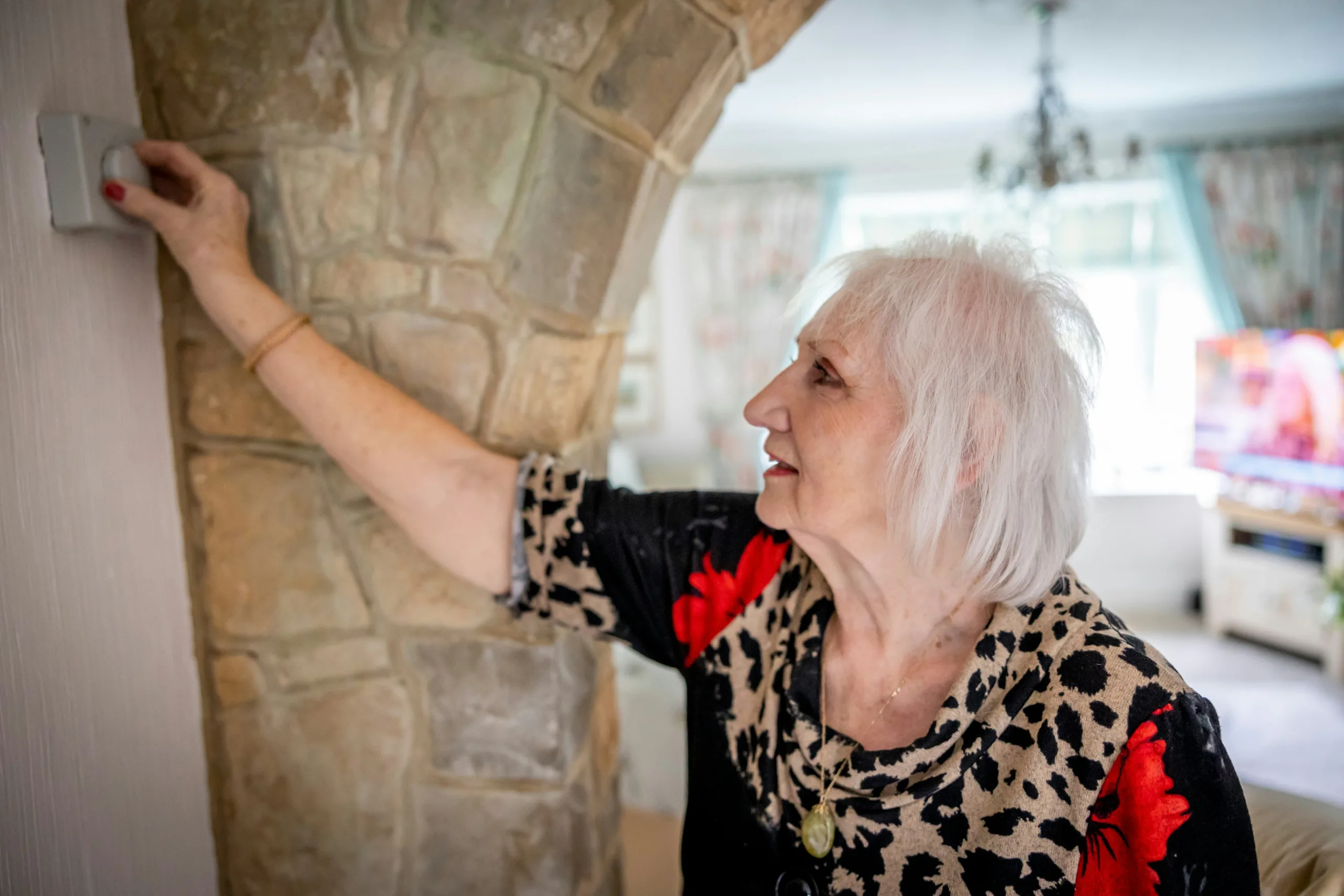
Older woman at home reaching to a wall by a window

Warden call systems and digital telecare

Changing a call system means working in people’s homes. Centurion helps housing teams plan warden call installations and digital telecare upgrades around residents, staff and the service answering their calls.

Trusted on sites like these

  • Sellafield Ltd
  • Fulham FC
  • Goodyear
  • Morrisons
  • AFC Wimbledon
  • Reading FC

The equipment behind a resident’s call

A resident needs a straightforward way to ask for help. The people answering need to know where the call came from. We look at both ends when planning your system.

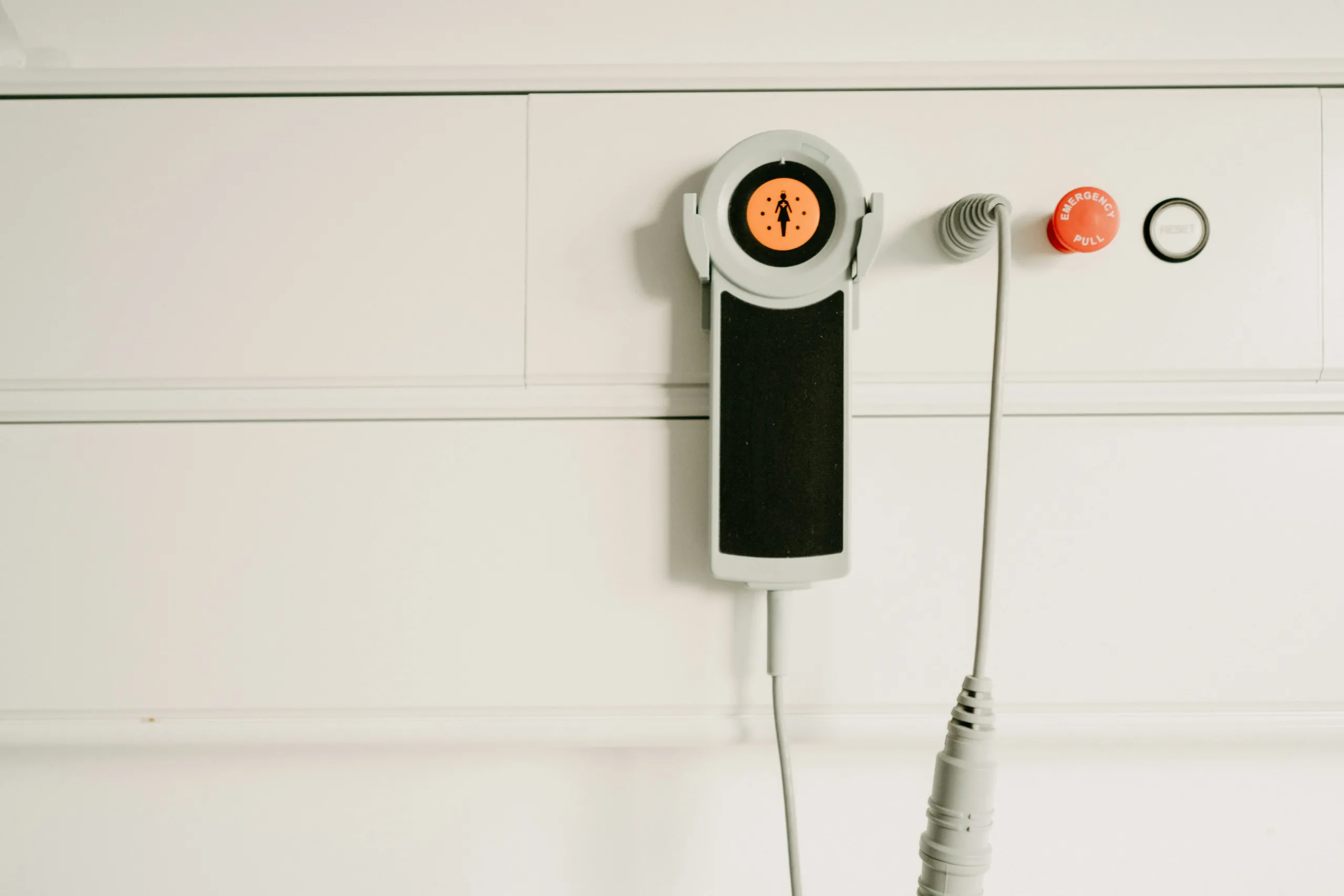
  • Resident call points

    Buttons, pull cords and compatible pendants give residents ways to request assistance. We’ll discuss where they need to reach a call point and how easily they can use the controls.

  • Digital telecare connections

    The alarm equipment and receiving service need to communicate correctly over the chosen connection. We’ll review broadband or mobile signalling with your provider, including what happens if power or the connection fails.

  • Pendants and sensors

    Telecare equipment can include sensors that raise an alert without a button press. Choose devices around assessed needs, then confirm their compatibility and who will follow up each type of alert.

  • Call routing and speech

    Calls may go to on-site staff during the day and a monitoring service overnight. Tell us how your scheme works so the routing, location information and speech can be checked against those arrangements.

  • Communal door entry

    If residents use the same handset to answer the front door and call for help, both functions need attention during an upgrade. We’ll check the existing door entry before recommending how it can connect.

    Access control
  • Warden call maintenance

    Tell us about recurring faults, missed tests or batteries due for replacement. Your equipment details and service records help us discuss maintenance cover, routine checks and responsibility for repairs.

Warden call systems for the homes you manage

Moving an analogue scheme to digital

A phone-provider notice can bring an upgrade forward, even when the call buttons still look fine. We’ll help you establish what the new connection means for your scheme and what can be retained. Bring your monitoring provider into the discussion early.

  • Equipment worth keepingExisting wiring or call units may be reusable. Their condition and compatibility matter more than their appearance.
  • Conversion or replacementA telecare protocol converter may provide an interim route for some schemes; older equipment still needs support.
  • Residents during the changePlan access to homes and tell residents how to request help while work or testing affects their usual equipment.

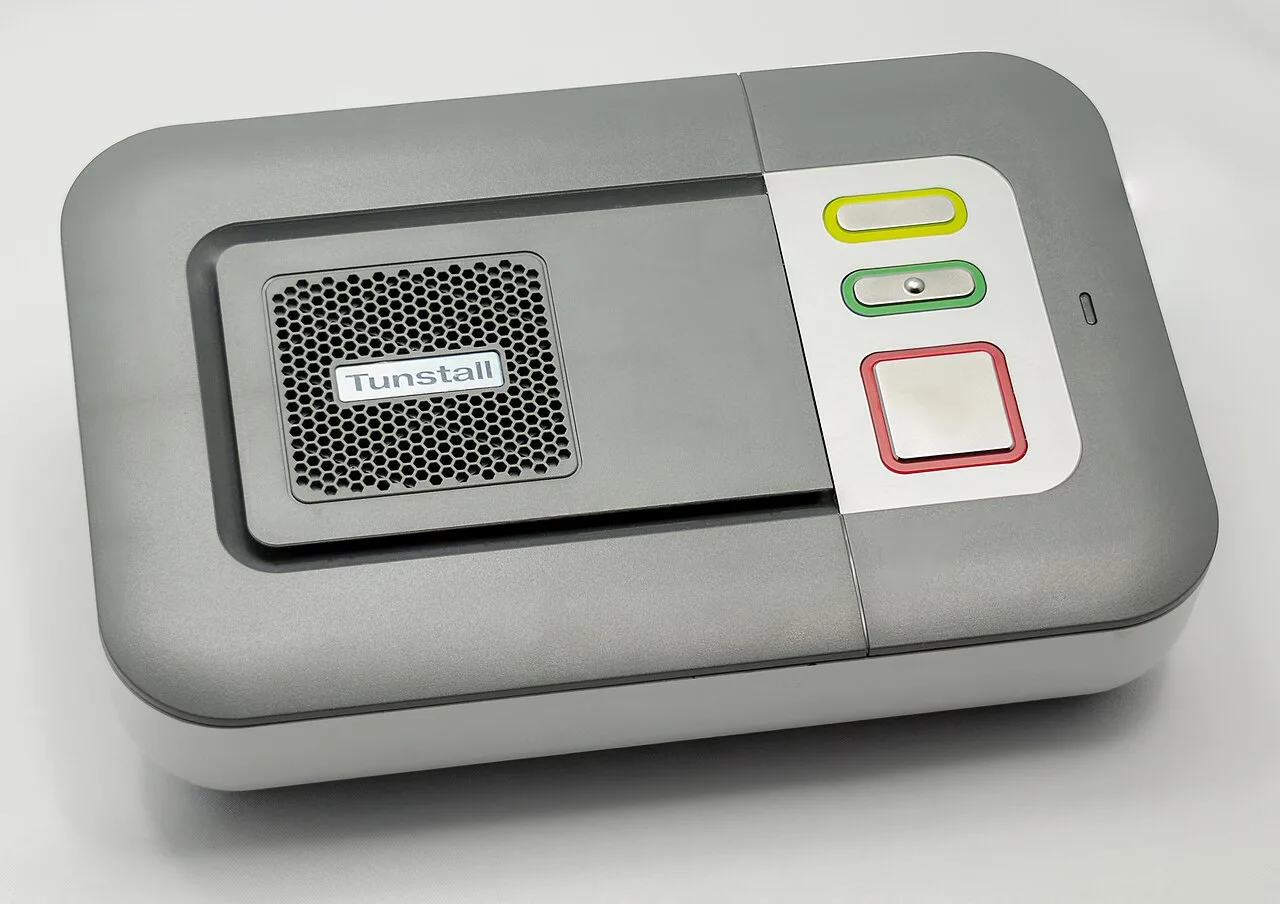
Photo: Tunstall Lifeline VI.jpg, Florian Fuchs. CC BY 3.0. Cropped and resized. Illustrative older telecare equipment, not a product recommendation.

Sheltered housing schemes

A resident may need assistance in their flat or in a shared lounge. Warden call systems for sheltered housing need to cover the places people actually use, with controls they can reach and a clear route to help when the scheme office is closed.

  • Familiar, usable controlsDiscuss button positions, pull cords and pendant coverage with residents and the housing team.
  • When the scheme office closesConfirm where calls go outside staffed hours and keep contact and escalation details up to date.
  • Shared rooms and entrancesInclude communal call points and linked door entry in the survey, alongside equipment inside each home.

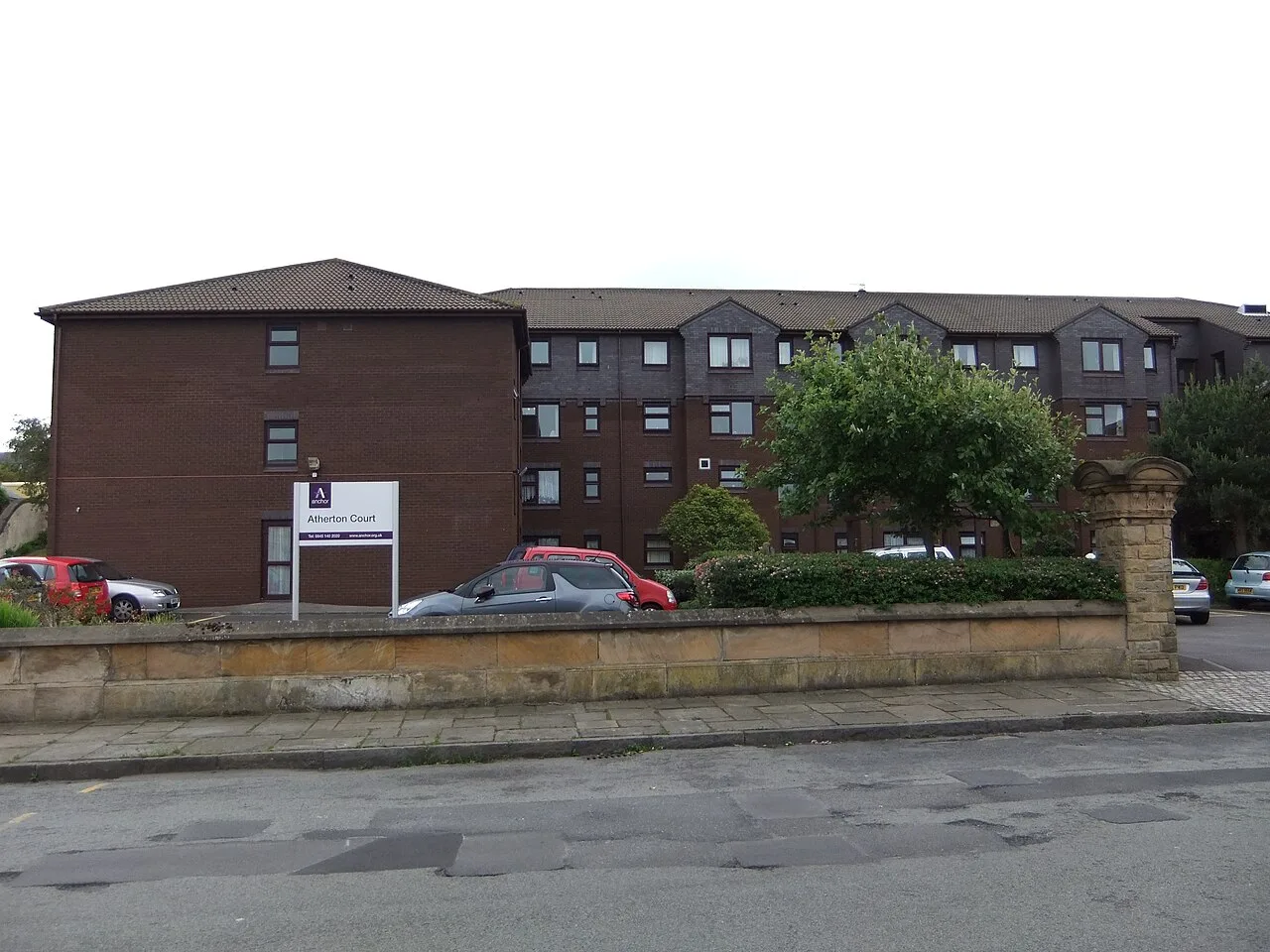
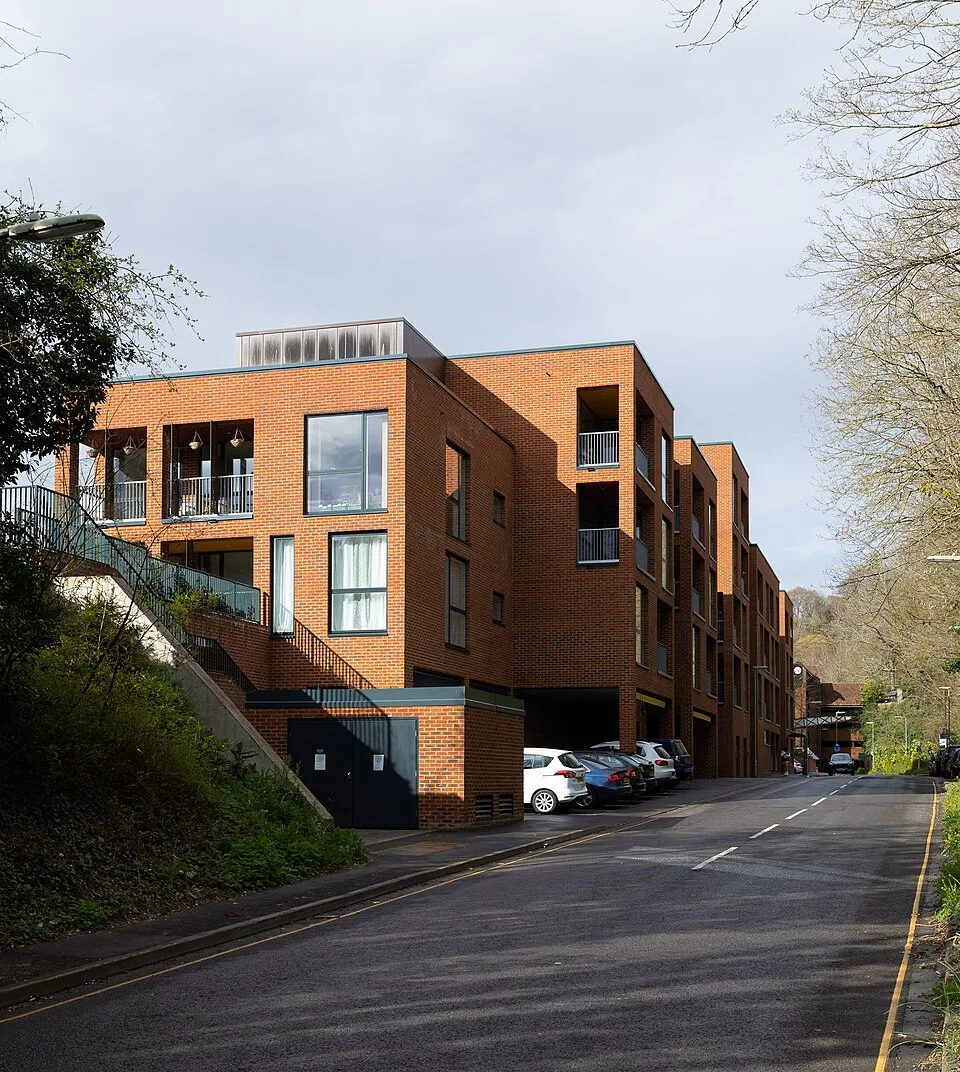
Photo: Atherton Court, New Brighton - DSCF1109.JPG, Rept0n1x. CC BY-SA 3.0. Cropped and resized; adaptation under CC BY-SA 3.0. Illustrative setting, not a Centurion project.

Extra care housing

Care staff may be supporting one resident when another calls. The system needs to identify where help is needed and fit the way your team responds. We’ll discuss alert information and routing with you, including what should happen when the first contact is unavailable.

  • Useful information for staffCheck the resident or location details received, and how staff distinguish each configured type of alert.
  • Devices with a clear purposePendants and sensors should reflect assessed needs, with instructions people can understand and use.
  • Keeping pace with changeReview equipment and call routing when residents’ needs, staffing hours or response procedures change.

Photo: Extra Care homes on Barfield Close - geograph.org.uk - 6799313.jpg, Peter Facey. CC BY-SA 2.0. Cropped and resized; adaptation under CC BY-SA 2.0. Illustrative setting, not a Centurion project.

Check the call reaches the right person

A new connection is only useful if the alarm reaches the people who answer it. Include your receiving service in the changeover, with tests of the call information and speech. Keep a record of what was tested and how any problems were resolved.

  • Your phone provider knows the line carries telecare calls
  • Equipment and receiving service are compatible
  • Backup power covers the equipment and its connection
  • Residents know how to call for help during the work

Test an alarm call, not just the phone

A dial tone or ordinary phone call does not prove the alarm works. Coordinate alarm tests with the receiving service so it can check the alert, location details and speech where provided.

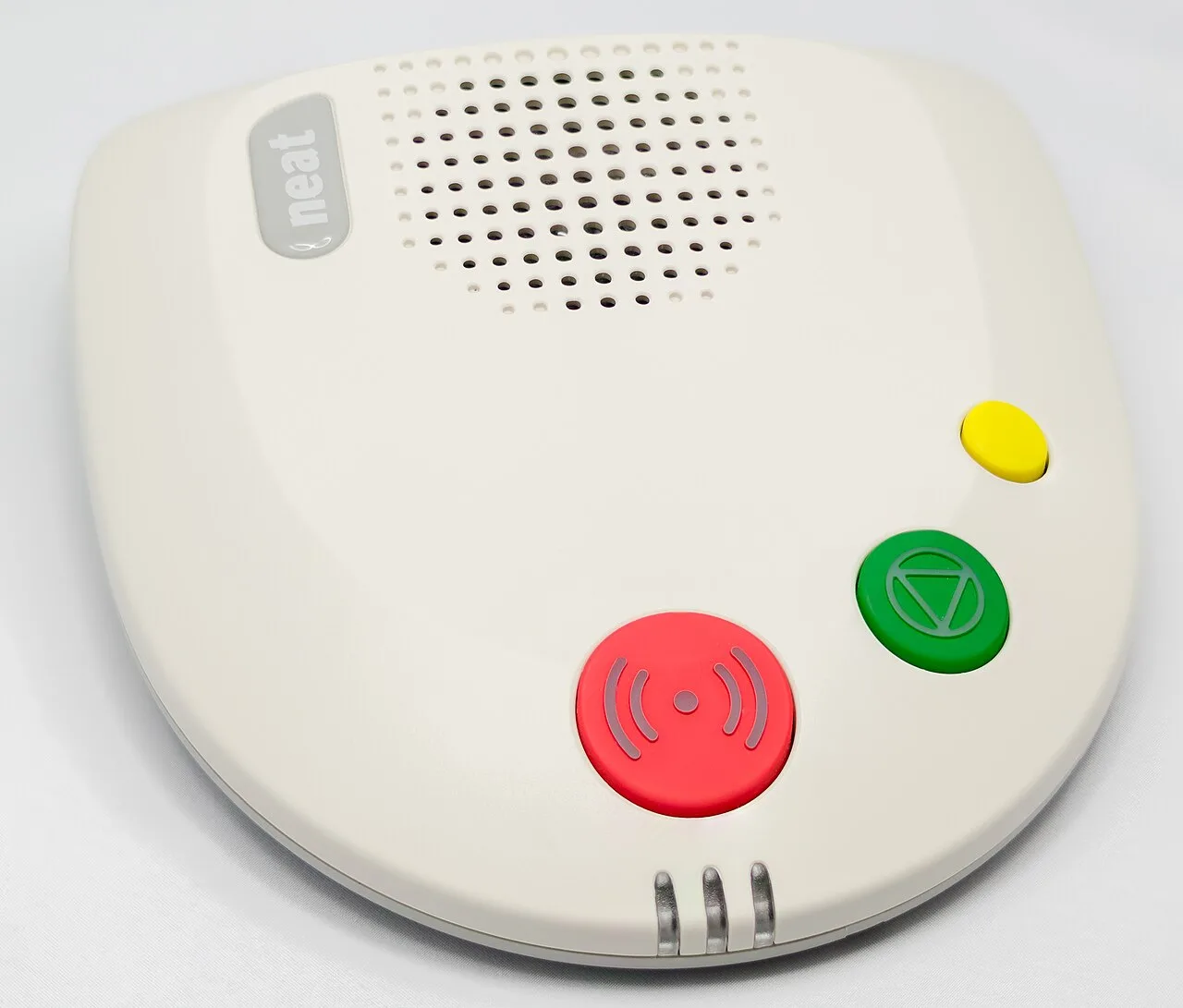
An older NEAT NEO telecare alarm unit with a red call button and speaker

Photo: Neat Hausnotruf NEO.jpg, Florian Fuchs. CC BY 3.0. Cropped and resized. Illustrative older telecare equipment, not a product recommendation.

Plan the installation around your scheme

Start with the housing team and the people who receive calls. We’ll work through the existing equipment and proposed changes with you, then agree access and testing before work begins.

  1. At the survey

    Review the existing system

    We review the scheme layout, equipment and known faults. Bring any phone-provider notice and details of the service receiving calls.

    You get: Existing-system review and proposed changes

  2. Before installation

    Agree the work and changeover

    We set out equipment and connection changes, then agree access to homes and how residents will request help during the work.

    You get: Quotation and changeover plan

  3. Before handover

    Test and explain the system

    We check calls with the receiving team and explain the controls, routine checks and fault reporting before handover.

    You get: Test records and operating information

  4. After installation and ongoing

    Plan ongoing warden call system maintenance

    Agree who checks call units, replaces batteries and deals with faults. The maintenance plan should cover the equipment you have, with the receiving service involved when connections or call routing change.

    You get: Maintenance responsibilities and service records

Questions about warden call and digital upgrades

How does the digital phone switchover affect our warden call system?

Older alarms may not send reliable signals over a digital phone line. The government’s current timeline requires users of the Openreach public switched telephone network to move to new services by 31 January 2027. Your provider may change your connection sooner, so confirm its date and tell it the line carries telecare calls. Have the equipment and receiving service checked together; the deadline is not a date when every old alarm suddenly fails.

Can we keep our existing wiring, handsets and pendants?

Possibly. We’ll review their condition and compatibility before recommending what to retain. A telecare protocol converter can be an interim option for some grouped schemes, but it does not renew ageing call points or make every device compatible. Check its support with the equipment supplier and receiving service, including how calls will be tested. A full digital replacement may be the more useful long-term option.

Who answers calls, and is monitoring included?

Calls go to the on-site team or telecare monitoring service nominated for your scheme. Confirm the service hours, contacts and escalation arrangements before installation, including what happens overnight. An equipment installation or upgrade does not itself include a staffed response service. Make sure any quotation clearly separates the system work from monitoring and attendance arrangements.

Does digital telecare need broadband in every flat?

Not necessarily. A scheme may use a shared connection or suitable mobile signalling, depending on its design. Coverage, compatibility and ongoing charges all need checking. Backup power must support the equipment and any connection it depends on; having a SIM card alone does not guarantee operation during a power or network outage. Include the service receiving calls when choosing and testing the connection.

How much does a warden call system upgrade cost?

The number of homes, communal call points and cable routes all affect the work. Existing equipment may be reusable, while linked door entry or a new connection can add to the changes needed. We’ll discuss access to residents’ homes and the handover too. Separate installation costs from recurring connectivity, monitoring and maintenance charges so you can compare the whole proposal.

Can you help with maintenance of an existing system?

Talk to us with the make, age and recent service records. We’ll review what support is possible, including any parts or compatibility limitations, before agreeing cover. Warden call maintenance should make clear who handles call units, pendants, batteries, shared connections and reported faults. Visit intervals and response terms depend on the equipment and contract; they are not the same as the monitoring provider’s duties.

Is warden call the same as nurse call?

Warden call usually supports people living in sheltered or extra care housing, with calls reaching scheme staff or an off-site service. Nurse call generally helps people summon staff within a care setting. Choose around how care is delivered and who responds. Our separate nurse call page covers those staff-call systems.