








Skip to content
A man sitting in front of multiple monitors

Alarm monitoring and remote CCTV monitoring

Know who'll pick up an alarm when your building is empty. Centurion connects your intruder alarm or CCTV to a 24/7 NSI-approved receiving centre, with the response planned around your premises and the people responsible for them.

Trusted on sites like these

  • Sellafield Ltd
  • Fulham FC
  • Goodyear
  • Morrisons
  • AFC Wimbledon
  • Reading FC

Alarm monitoring services for your business

An alarm needs a working connection and someone who knows what to do with it. We help you choose what to monitor and put clear instructions in place before the service starts.

  • Intruder alarm monitoring

    When your alarm activates, it sends a signal to the receiving centre. The centre follows your response instructions, including contacting nominated keyholders. We check the equipment and connection needed to support that service.

    Intruder alarm systems
  • Remote CCTV monitoring

    An alert brings the camera images to an operator, who checks what's happening. On suitable systems, the response can include an audio warning or a call to your keyholders. We agree the monitored areas and hours with you.

    CCTV systems
  • Keyholders and police notification

    Choose who the centre should call and in what order. If you need police response, we check the system's eligibility and registration requirements. A contact list alone doesn't provide police response.

  • Alarm signalling and maintenance

    The signalling equipment carries the alarm from your premises to the centre. We assess the existing connection, explain any changes needed and test the signals at handover, with ongoing maintenance agreed for your system.

    Service and maintenance

A response that fits the way your site works

When the building is closed

The last person out may be the manager, a cleaner or a late shift. Tell us when your premises are normally empty and who can respond after hours. We'll help you plan the monitoring around those routines, including holidays and longer shutdowns.

  • People who can take the callKeep contact details current and arrange cover when a keyholder is away or leaves the business.
  • Information for the responseProvide the site and access details your contacts will need, including any separate buildings or entrances.
  • Late working and shutdownsReview monitoring hours when shifts, deliveries or holiday closures change the usual pattern.

Yards and compounds after dark

Outdoor stock and parked vehicles can be difficult to keep in view. With monitored CCTV, the operator needs to see the area that triggered the alert. We look at camera positions, lighting and normal activity so the monitoring reflects what happens in your yard.

  • A clear view of the alertCheck coverage after dark as well as by day, allowing for parked vehicles and changing stock levels.
  • Detection in the right placesDiscuss delivery routes, moving vegetation and areas where staff may still be working after the main site closes.
  • What the operator can doAgree contact instructions and whether compatible audio equipment can be used to challenge an intruder.

Changing provider or connecting an old system

You may be happy with the alarm but need a different monitoring service. We can assess the panel, cameras and signalling to see what can stay. Share your current contract and service records so we can identify any equipment work and plan the changeover.

  • Check what is already fittedThe make, model, condition and connection determine whether the equipment can be reused.
  • Bring your insurer's conditionsWritten requirements help us check the alarm grade, signalling and response together.
  • Plan the handoverAgree the transfer and testing before ending the old service, so responsibility stays clear.

Clear responsibilities, before an alarm arrives

Centurion connects and maintains the equipment; a separate NSI-approved alarm receiving centre handles the signals. Your contract should make both roles clear, along with what the centre will do and who may need to attend.

  • Signals, monitoring hours and the actions they trigger
  • Keyholder contact details, call order and access information
  • Police registration and response eligibility, where needed
  • Connection tests, maintenance and fault-reporting contacts

Your insurer may specify the monitoring

Send us the written conditions with your enquiry. We can check the proposed alarm and monitoring against them; your insurer decides whether they meet your policy’s requirements.

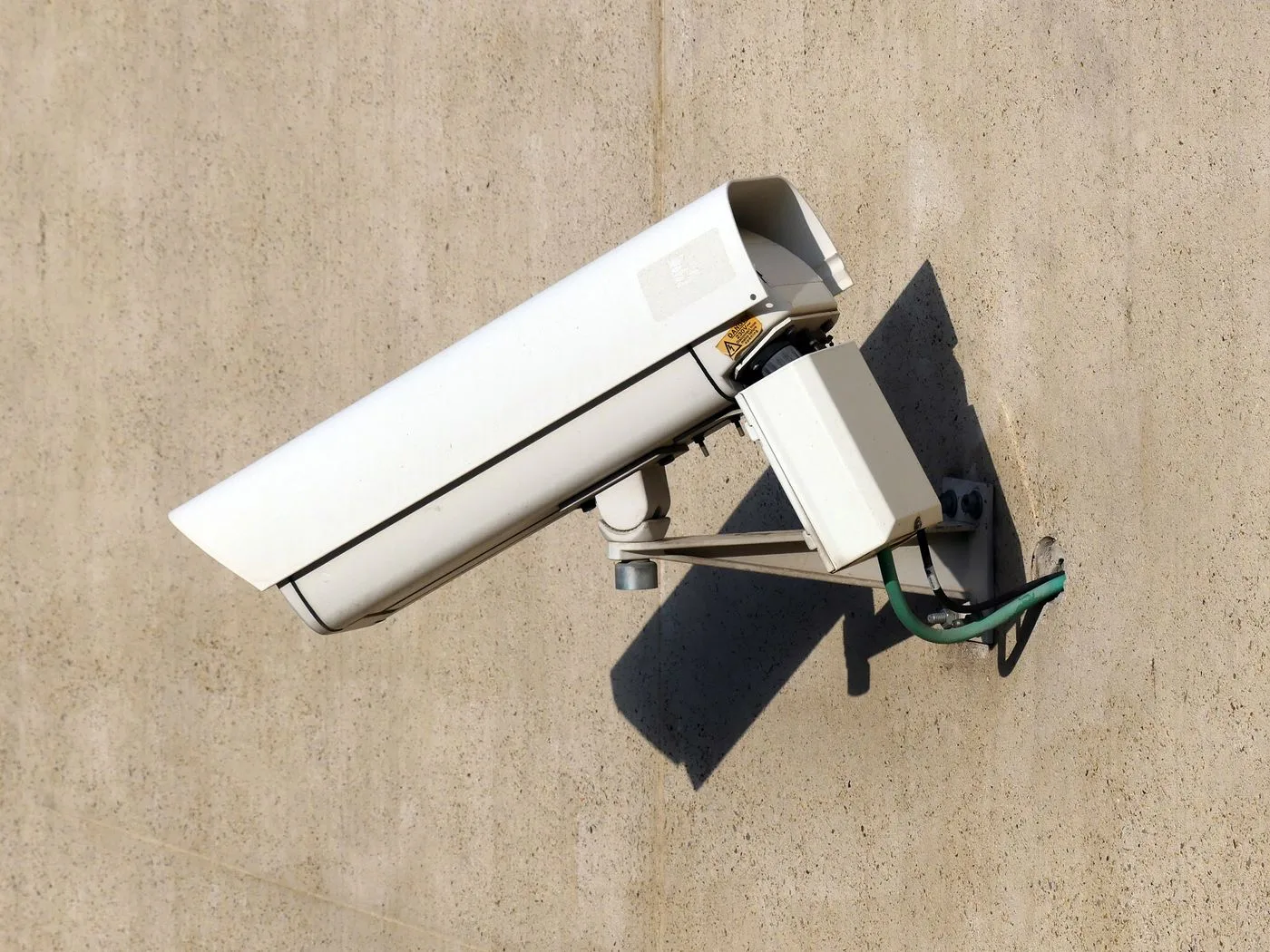
Outdoor surveillance camera with a wall-mounted junction box

Getting your monitoring in place

Bring the details of your current system and tell us what prompted the enquiry. A new connection, a provider change and an insurer's request each need a slightly different starting point.

  1. Before you decide

    Check the system and the need

    We review the equipment, connection and insurer's conditions, then explain what can be retained and what work is needed.

    You get: Connection requirements and a quotation

  2. Before the service starts

    Set out the response

    Agree monitored events, hours and keyholder contacts. Where included, we apply for police registration for an eligible system.

    You get: Written monitoring and response instructions

  3. At the agreed changeover

    Connect, test and explain

    We test that the intended signals reach the centre, then explain how to report faults and update your details.

    You get: Connection checks and customer instructions

  4. During your monitoring contract

    Keep the connection and contact list current

    We maintain the equipment covered by your contract. Let us know about recurring faults or planned phone-line changes, and keep the receiving centre's keyholder details and site instructions up to date.

    You get: Service records and any remedial work identified

Questions about business alarm monitoring

What happens when a monitored alarm goes off?

The receiving centre gets the signal and follows the instructions for your premises. That may mean calling your nominated keyholders. For an eligible registered system, a qualifying alarm can also be passed to the police. We'll discuss the response you need before connection, so you know what is included and who might be called out.

Is remote CCTV monitoring the same as viewing cameras on my phone?

No. Remote viewing lets you check the cameras yourself. With event-led CCTV monitoring, an alert sends images to an operator for assessment and an agreed response. It doesn't mean someone watches every camera continuously. Your service sets out the monitored areas, hours and available actions; recording footage or having an app alone doesn't provide operator monitoring.

What is an alarm receiving centre?

An alarm receiving centre, or ARC, is a staffed centre that receives signals from connected systems and acts on them. Centurion connects your equipment to a separate, 24/7 NSI-approved centre and maintains the system. The monitoring agreement should identify the centre and explain the response, contact arrangements and responsibilities.

Can you monitor a system another company installed?

We can assess it. Send us the alarm panel or recorder details, any service records and your current monitoring contract. Some equipment can be retained; compatibility or condition may mean changes are needed. We also review the existing maintenance responsibility and any police registration before agreeing a takeover. Don't cancel the current service until the changeover has been planned.

How much does alarm monitoring cost?

The quotation depends on the alarm or cameras, signalling equipment, monitoring hours and any work needed to connect them. Ask for setup or upgrade costs to be separated from recurring monitoring and maintenance charges. If police registration is included, check how its fees are shown. An assessment lets us price the service your site actually needs.

Does monitoring include a keyholder attending the site?

Not by itself. The centre can contact your nominated keyholders, but a paid keyholding or guard attendance service is a separate arrangement. Make sure the people on your list know their role, can gain access and have cover when they're unavailable. Your contract needs to say who attends; receiving an alarm and sending someone to the premises are different services.

Is police attendance guaranteed, and can false alarms affect it?

No. In England and Wales, police response needs an eligible system, an approved receiving centre and a current police Unique Reference Number (URN). The activation must meet the applicable confirmation requirements; attendance also depends on police demand and resources. Repeated false calls can lead to response being withdrawn. Report recurring activations so the cause can be investigated: changing provider alone doesn't restore police response.

Will changing our phone line affect alarm monitoring?

It can, if the alarm uses that line to signal. Tell your alarm maintainer before a phone-line or broadband change so the connection can be checked and any equipment work planned. A phone making calls on the new service doesn't prove that alarm signals reach the centre. BT's analogue PSTN network is due to close by 31 January 2027; check your own provider's migration date and test the alarm connection after changes.