






Skip to content
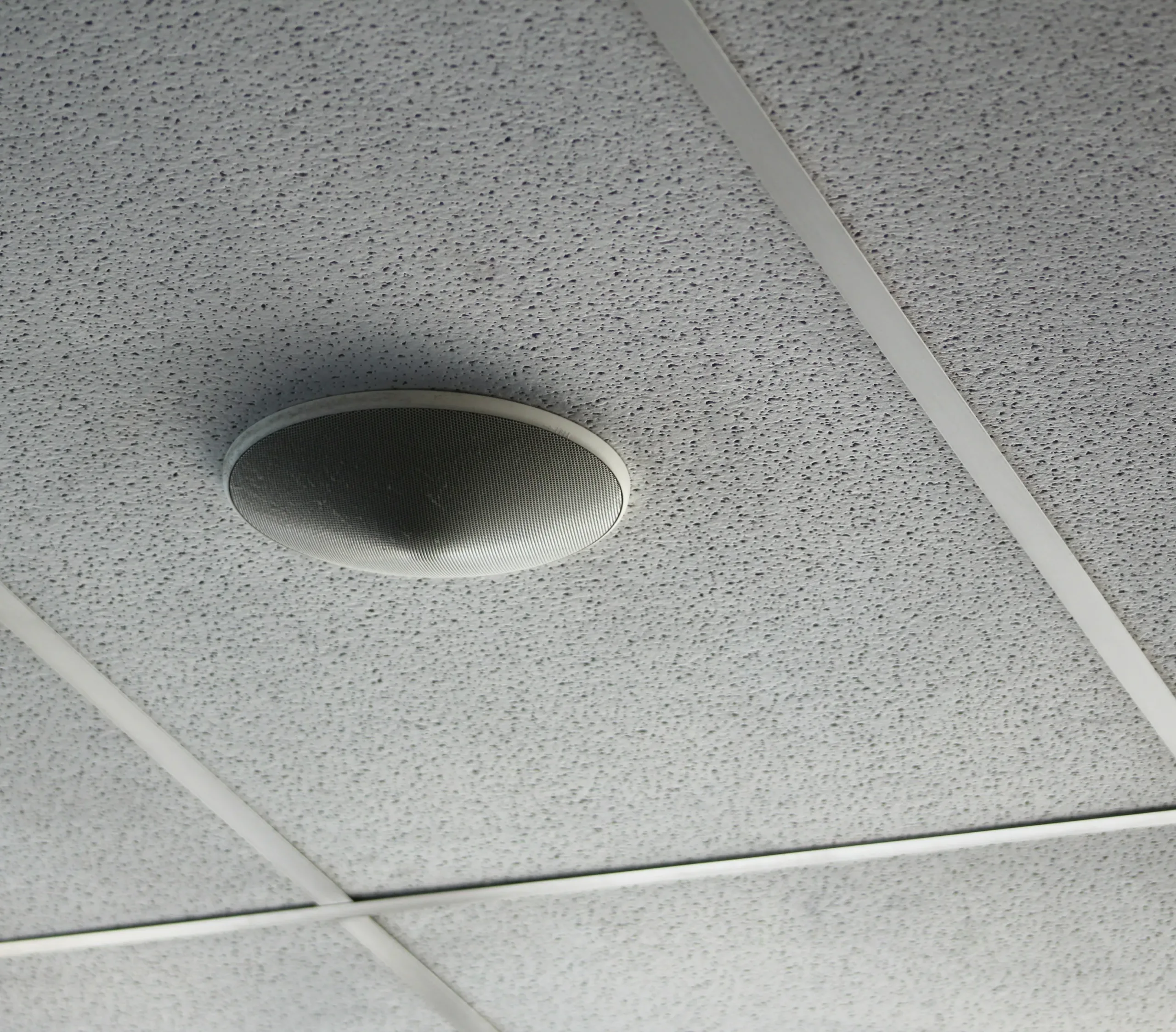
Recessed ceiling loudspeaker in a suspended tile ceiling

PAVA and voice alarm systems

We install PAVA systems for commercial buildings, linking spoken evacuation messages to the fire alarm. We’ll discuss where you need announcements, who will use the controls and how the system fits your building’s fire strategy.

Trusted on sites like these

  • Sellafield Ltd
  • Fulham FC
  • Goodyear
  • Morrisons
  • AFC Wimbledon
  • Reading FC

What goes into a PAVA system

PAVA stands for public address and voice alarm. The speakers, messages and controls need to work together, so people can understand the instructions in the areas they use.

  • Recorded and live messages

    Recorded instructions can start automatically from the fire alarm. A designated microphone allows authorised staff to make live emergency announcements. We’ll discuss the messages and controls your building needs.

  • Loudspeaker coverage

    Speaker positions and settings need to suit each space. Background noise and sound reflecting around a room affect whether people can understand the words, even when they can hear the alarm.

  • Zones and fire alarm links

    The fire alarm link determines which messages play and where they are heard. We plan this around your evacuation strategy, including emergency priority over routine PA announcements where the system provides both.

Plan announcements around how your building is used

Stadiums and event venues

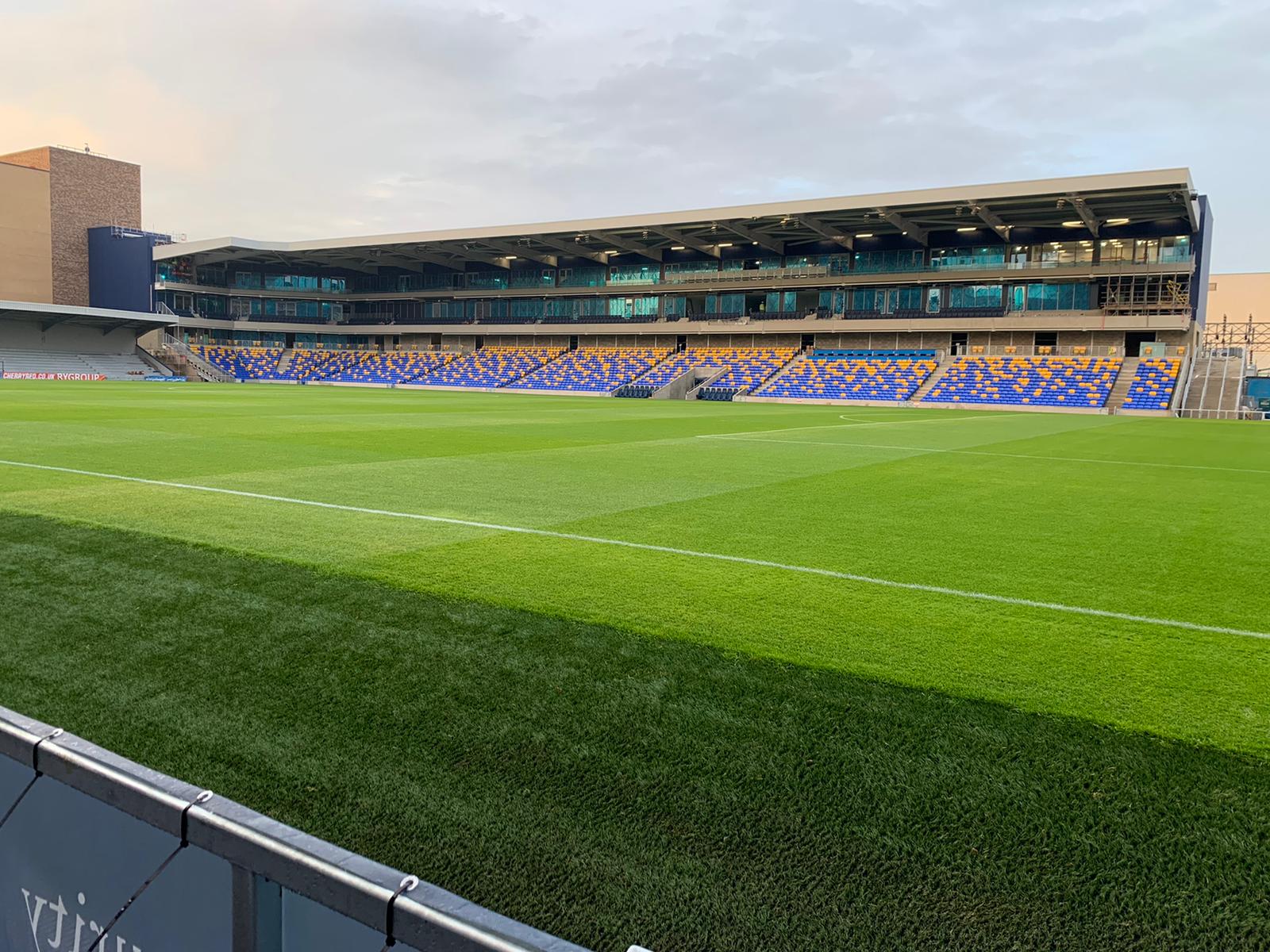
Stands, concourses and hospitality areas need separate consideration when planning speaker coverage and broadcast zones. Centurion installed the PAVA system linked to the fire alarm at AFC Wimbledon’s Plough Lane stadium.

  • Coverage across the venueCrowd noise and the distance between speakers and listeners affect the design of each listening area.
  • Control-room announcementsDiscuss who makes live announcements, which areas they can select and how emergency broadcasts take priority.
  • Event-day operationTell us about fixtures and events so access and audible testing can be planned around the programme.

Often paired with

Leisure and public buildings

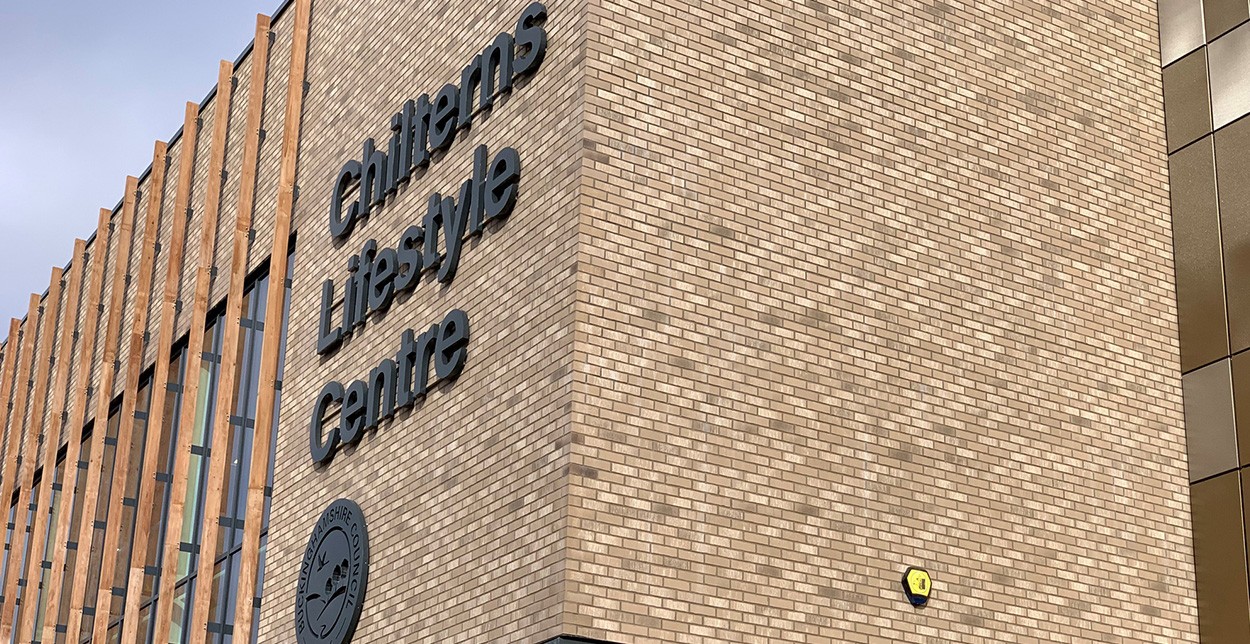
A sports hall, pool and reception area can sound very different, and visitors may not know their way around. We consider how each space is used. At Chilterns Lifestyle Centre, Centurion installed PAVA alongside the fire alarm and other life-safety systems.

  • Speech in noisy spacesActivity noise and sound reflecting off hard surfaces can make an announcement harder to follow.
  • Everyday announcementsTell us where staff need routine paging, so this can be considered alongside the emergency broadcasts.
  • People who cannot hear the messageThe warning arrangements also need to cover people who cannot rely on hearing a spoken announcement.

Existing systems and alterations

New partitions, a different room use or extra background noise can change what people hear. If you’re extending or replacing PAVA equipment, we’ll discuss the existing speakers and controls as well as their connection to the fire alarm.

  • Start with the recordsSend the system make, zone drawings and recent service reports, including any faults that need attention.
  • Check the interfaceChanges to either system need a check of the fire alarm signals and the messages they trigger.
  • Review changed spacesInclude altered rooms and extensions in the review, even if the existing speakers still work.

Often paired with

Speech people can understand

A loud announcement is not necessarily an understandable one. Background noise, room surfaces and speaker positions all affect speech clarity. These need considering alongside the messages your fire strategy calls for.

  • Speech clarity and coverage in the occupied areas
  • Fire alarm signals, message selection and broadcast zones
  • Emergency message priority over routine announcements
  • Fault indications, operating instructions and test records

The voice alarm code of practice

BS 5839-8:2023 covers the design, installation, commissioning and maintenance of voice alarm systems. It guides how a system is provided; the building’s fire strategy determines where it is needed.

Planning your voice alarm installation

Start with your building plans and fire strategy. If you already have PAVA, send us the equipment details and recent service reports so we can discuss what needs changing.

  1. Before specifying equipment

    Review the building

    We look at the areas to cover, likely noise levels, evacuation arrangements and any equipment you want to retain.

    You get: The areas, messages and existing equipment to consider

  2. Before work starts

    Agree the installation

    We discuss speaker locations, broadcast zones and the fire alarm connection, then agree access and times for the work.

    You get: An installation proposal for your building

  3. At completion

    Commission and hand over

    We check operation against the design and explain the controls, routine checks and records to the people managing the system.

    You get: Operating instructions and commissioning records

  4. Throughout the system’s life

    Keeping messages and equipment up to date

    Talk to us about maintenance for your equipment. Keep test records and report faults, and flag changes to room layouts or use: a working speaker may no longer cover the space as intended.

    You get: Maintenance needs and any follow-up work identified

PAVA and voice alarm questions

What is a PAVA system?

PAVA stands for public address and voice alarm. It combines control equipment, loudspeakers and microphones for everyday announcements and emergency messages. Its voice alarm function, also called a voice evacuation system, can play recorded instructions in response to the fire alarm. Live announcements are made through designated controls.

Does my building need a voice alarm?

Not every building needs one. The decision depends on the fire strategy, the people using the premises and the fire risk assessment. In England, Approved Document B identifies voice alarms as an option where people may not respond quickly to a warning or are unfamiliar with the alarm arrangements. This is building guidance, rather than a blanket requirement for every existing premises.

Can a normal public address system be used for evacuation?

Not without an assessment. A normal PA or background-music system may lack the fault monitoring, power arrangements and emergency priorities needed for a voice alarm. Tell us what is installed and what you want it to do. The existing speakers and controls need checking before their suitability can be confirmed.

Can different areas receive different messages?

Yes, where the system is designed for zoned messages. A building with an agreed phased evacuation strategy may need different instructions in different areas. We’ll discuss the broadcast zones and how they connect to the fire alarm. The messages must follow that strategy; installing PAVA does not itself make phased evacuation appropriate.

Is PAVA the same as a disabled refuge system?

No. A voice alarm broadcasts instructions across an area. A disabled refuge communication system lets someone at an outstation speak with the designated control point. They serve different purposes and may both be needed within the building’s fire-safety arrangements.

What affects the cost of a PAVA installation?

The spaces to cover, speaker layout, message zones, controls, cabling and fire alarm connection all affect the work. Keeping parts of an existing system may also change the cost, but compatibility needs checking first. Send us plans and equipment details so we can discuss an installation proposal based on your building.