







Skip to content
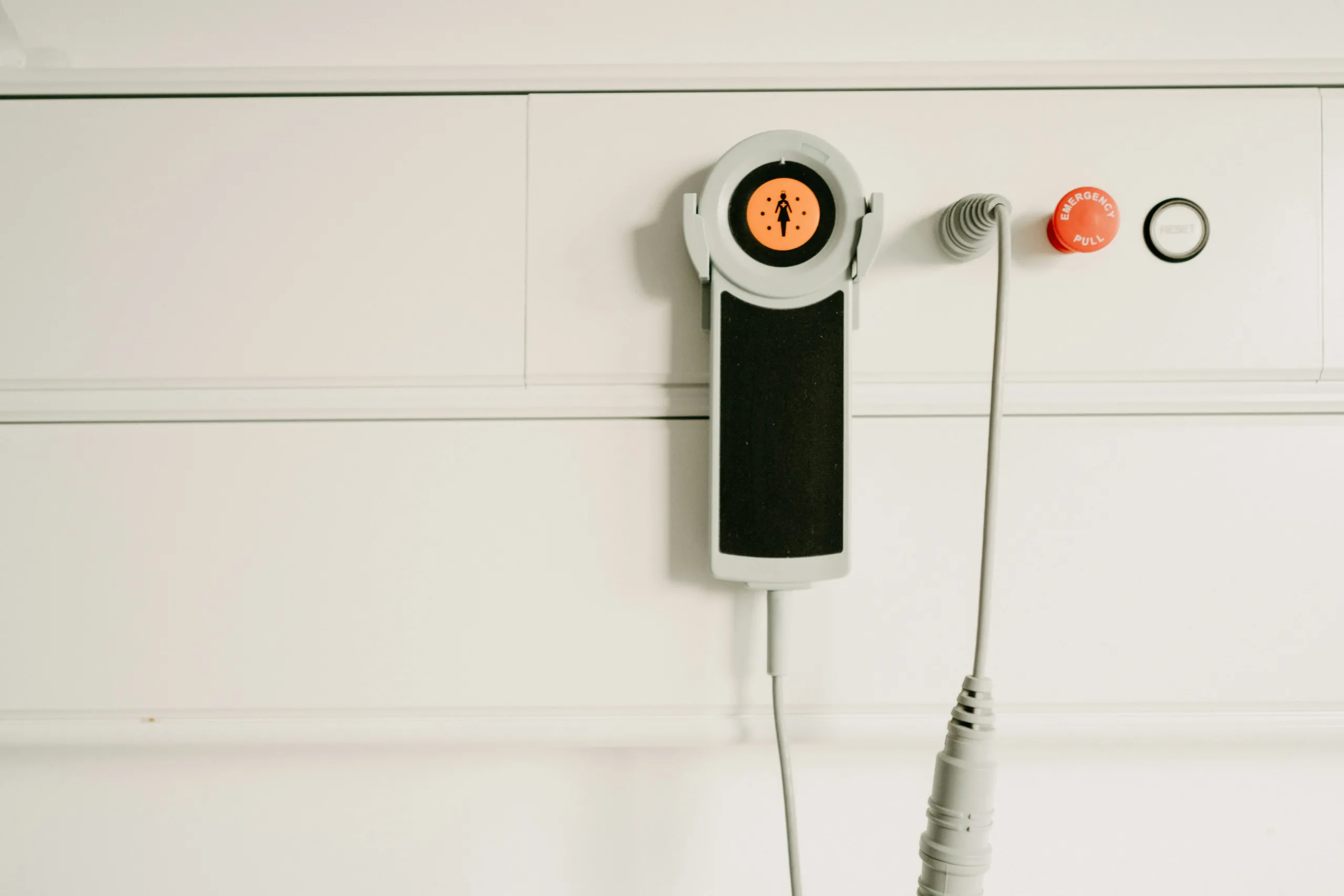
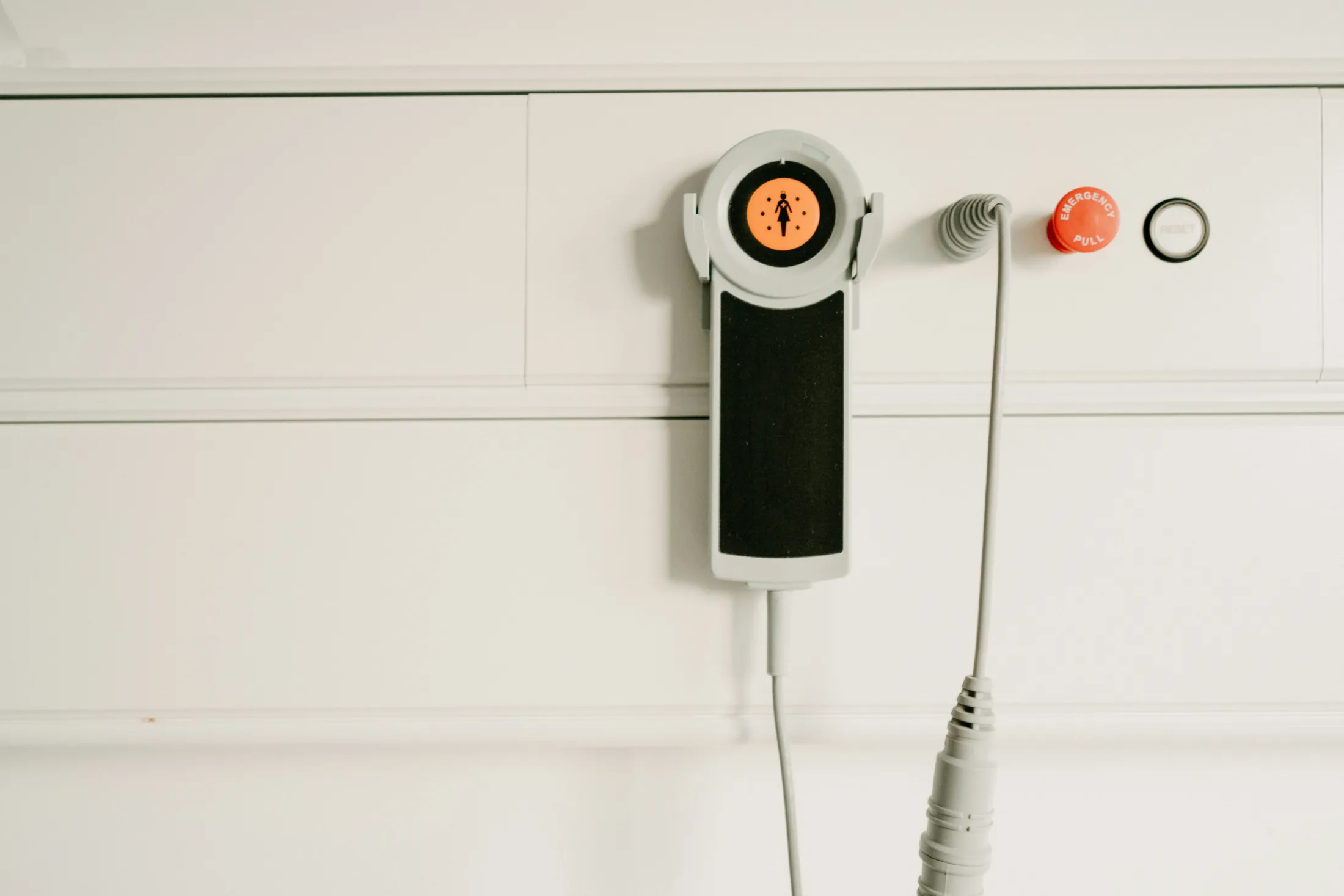
Nurse call handset beside an EMERGENCY PULL control and RESET button

Nurse call systems for care homes

Give residents a straightforward way to call for help, and staff a clear indication of where they’re needed. Centurion arranges nurse call installation, upgrades and maintenance, along with accessible WC alarms.

Trusted on sites like these

  • Sellafield Ltd
  • Fulham FC
  • Goodyear
  • Morrisons
  • AFC Wimbledon
  • Reading FC

A clear call, from resident to care team

A button beside the bed is only one part of the system. The call needs to reach the people who can answer it, wherever they’re working in the building.

  • Call points and handsets

    A nurse call button should be easy for the person using it to reach and operate. Bedside handsets, wall buttons and pull cords suit different locations; choosing them starts with residents’ abilities and daily routines.

  • Staff displays and room indicators

    Displays and over-door lights help staff find the source of a call. Their positions matter: a display at an empty desk is little use if the team is working elsewhere.

  • Wired and wireless connections

    Wireless nurse call systems can reduce cabling through occupied rooms. Radio coverage, battery care and the existing installation all need checking before deciding whether wired, wireless or a combination makes sense.

  • Existing system upgrades

    An ageing system doesn’t always need replacing in full. Its condition, available parts and capacity for extra rooms help establish what can stay and where an upgrade would be worthwhile.

  • Disabled toilet alarms

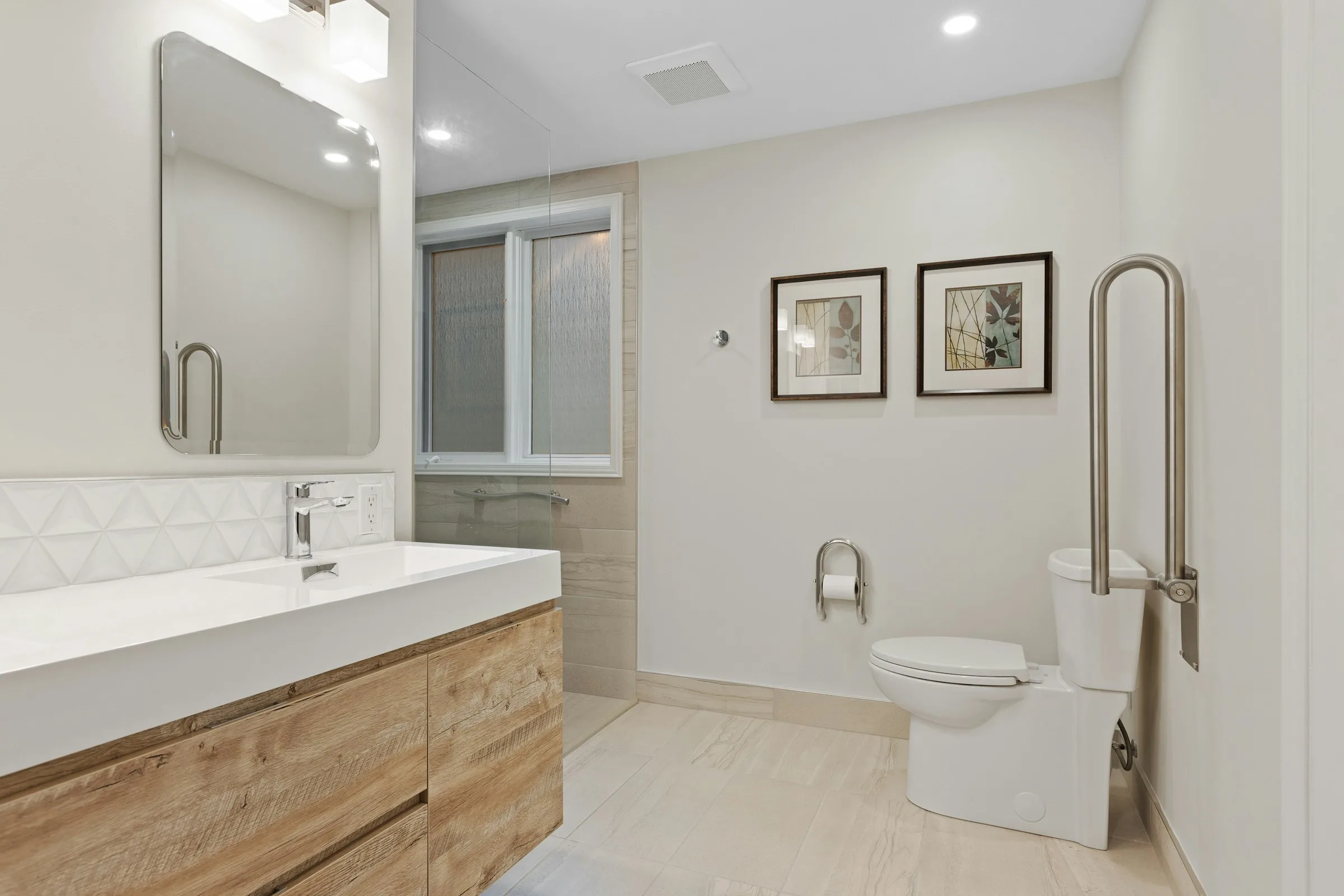
    Accessible WC alarms let someone call for assistance from inside the room. The pull cord, reassurance indicator, reset and staff alert need considering together, including who will answer when the building is open.

  • Nurse call system maintenance

    Servicing checks that a call reaches the intended indicator or display and can be reset correctly. We arrange maintenance for suitable systems, with the equipment and support cover confirmed before you commit.

Call systems that fit the way your building is used

Care homes and nursing homes

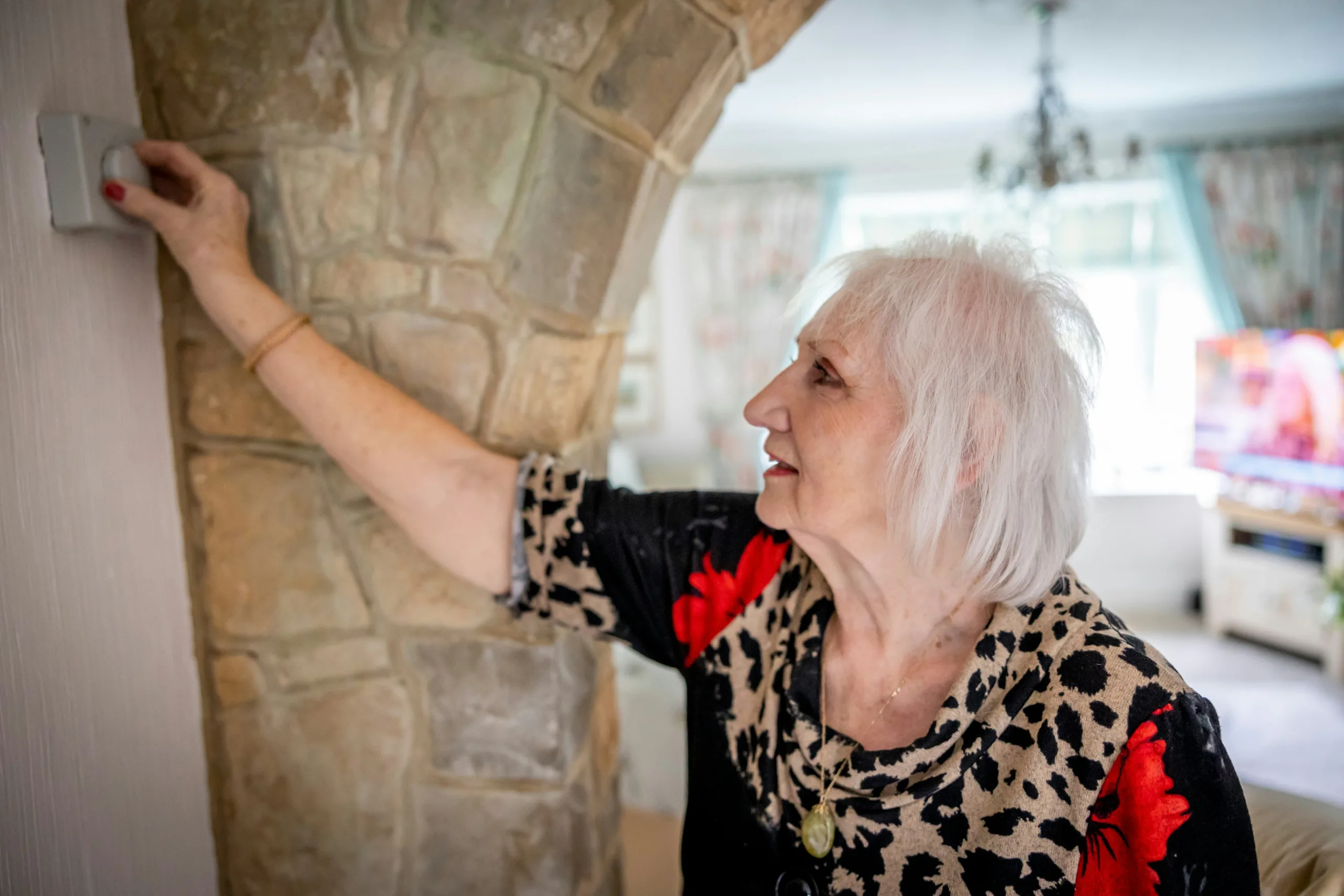
Care staff move between bedrooms, lounges and other parts of the home. Call bell systems for care homes need to reflect those movements, including night shifts, so a resident’s call is signalled where the team can notice it.

  • Within reachConsider where the call device sits when the resident is in bed, in a chair or using the bathroom.
  • Clear room informationRoom names and numbers on the system should match the ones staff use every day.
  • Day and night coverTell us where staff work on each shift and who answers calls from each area.

Often paired with

Refurbishments and extra rooms

An extension changes more than the number of call points. New corridors, a relocated staff base or different room names can affect how calls are displayed. Bring the plans early so the existing system and the new areas can be considered together.

  • Spare capacityCheck whether the current equipment can support the added call points and displays.
  • Access to occupied roomsDiscuss room access, noise and the times when installation or testing can take place.
  • During the changeoverYour care team needs a plan for receiving calls while any part of the system is unavailable.

Older systems and recurring faults

A sticking handset or an intermittent call needs more investigation than a quick glance at the panel. Tell us what happened, where and when. We can arrange an assessment of the equipment and discuss repair, maintenance or replacement options.

  • Useful recordsKeep the system make, service history and details of recurring faults together.
  • Replacement partsThe availability of compatible parts helps determine whether repairs remain practical.
  • Support you can rely onConfirm the service coverage, fault-reporting route and response terms before taking out cover.

Accessible toilets and changing rooms

A disabled toilet alarm needs to be reachable by the person asking for help and noticeable to the person answering. In a care home, reception building or public venue, the room layout and staff arrangements are both part of the design.

  • A reachable pull cordPosition the cord so it can be used from the WC and from the floor.
  • An identifiable callStaff need to recognise an assistance call and know which room it comes from.
  • Resetting in the roomThe reset control needs to be reachable and clearly identified for the person using it.

Useful equipment, backed by clear responsibilities

In England, CQC Regulation 15 requires care providers to keep equipment suitable and properly maintained. A call system supports your care arrangements; the people who answer it, routine checks and a plan for faults matter just as much.

  • Call devices suited to the people using them
  • Alerts that identify the source of the call
  • Staff who know how to respond and report faults
  • Maintenance planned around the equipment and its instructions

A registered call is not an answered call

A reassurance light shows that the system has registered a call. It does not, by itself, confirm that a member of staff has seen it or is on the way.

An older man reviewing paperwork with another person

Planning your nurse call installation

Start with the rooms, the people using them and how your team responds to calls. We’ll arrange the specialist work and remain your point of contact.

  1. Before you decide

    Survey and options

    Review room layouts, existing equipment and how staff receive calls. Discuss the work needed and what can be retained.

    You get: Proposed equipment and a quotation

  2. During the planned works

    Installation and changeover

    Agree access with your team and plan any interruptions, including how residents will request help while work takes place.

    You get: Equipment fitted and changeover arrangements

  3. Before the system is used

    Testing and handover

    Test calls and indications, explain operation to your team and confirm the routine checks and support arrangements.

    You get: Operating information and test records

  4. Once the system is in use

    Nurse call maintenance and support

    Agree the servicing and routine checks for your equipment, and keep records of faults and repairs. Tell us if rooms or staffing arrangements change, so the call system can be reviewed with them.

    You get: Service records and advice on work needed

Questions about nurse call and WC alarms

How does a nurse call system work?

A resident presses a button or pulls a cord to raise a call. The system signals its location to staff through displays, lights or sounders. The equipment chosen determines the available call levels and how calls are reset. Your team still needs a clear routine for answering and checking on the person who called.

How much does a nurse call system cost?

The number of rooms and call points is only part of the price. Cable routes, staff displays, the condition of existing equipment and access to occupied areas also affect the work. We arrange a survey so the quotation reflects the building and explains what is included.

Is wireless nurse call better than a wired system?

Wireless can reduce the amount of new cable, which can help in an occupied care home. It still needs suitable radio coverage and a plan for batteries and maintenance. Existing wiring may be worth retaining in another building. The choice should follow a survey and the needs of the people using the system.

Can you maintain or upgrade a system fitted by someone else?

We can arrange an assessment first. Share the make, model and any service reports so the equipment, available parts and support options can be checked. We’ll confirm what can be covered before offering maintenance or an upgrade; compatibility between old and new devices cannot be assumed.

How often should a nurse call system be serviced?

The schedule depends on the equipment, its manufacturer’s instructions and how the premises are used. Agree professional servicing and routine user checks separately, with a clear way to report faults. In England, CQC’s equipment requirements apply to the care provider; buying a particular call system does not make a service CQC compliant.

What should we know about disabled toilet alarm pull cords?

The cord needs to remain reachable, including from the floor. For relevant building work in England, Approved Document M Volume 2 describes a red cord with two red bangles, one at 100mm and one between 800mm and 1000mm above the floor. The whole alarm arrangement needs checking, including the reset control and where staff receive the call. The guidance is not a blanket retrospective rule for every UK toilet.

Is nurse call the same as warden call or a refuge system?

They serve different purposes. Nurse call generally alerts staff in a care setting. Warden call and telecare support people in housing or their own homes, with the response arrangements specified for that service. Disabled refuge systems provide communication as part of an evacuation plan. One should not be specified as a substitute for another.

Can a care-home system be used in a hospital?

A hospital needs a specification based on its clinical areas and staff response arrangements. NHS guidance such as HTM 08-03 addresses bedhead services and nurse call; it is not a universal specification for every care home. Send us the project brief so we can establish the specialist input and equipment it needs, rather than assuming a care-home system will be suitable.