




How does a hearing loop work?
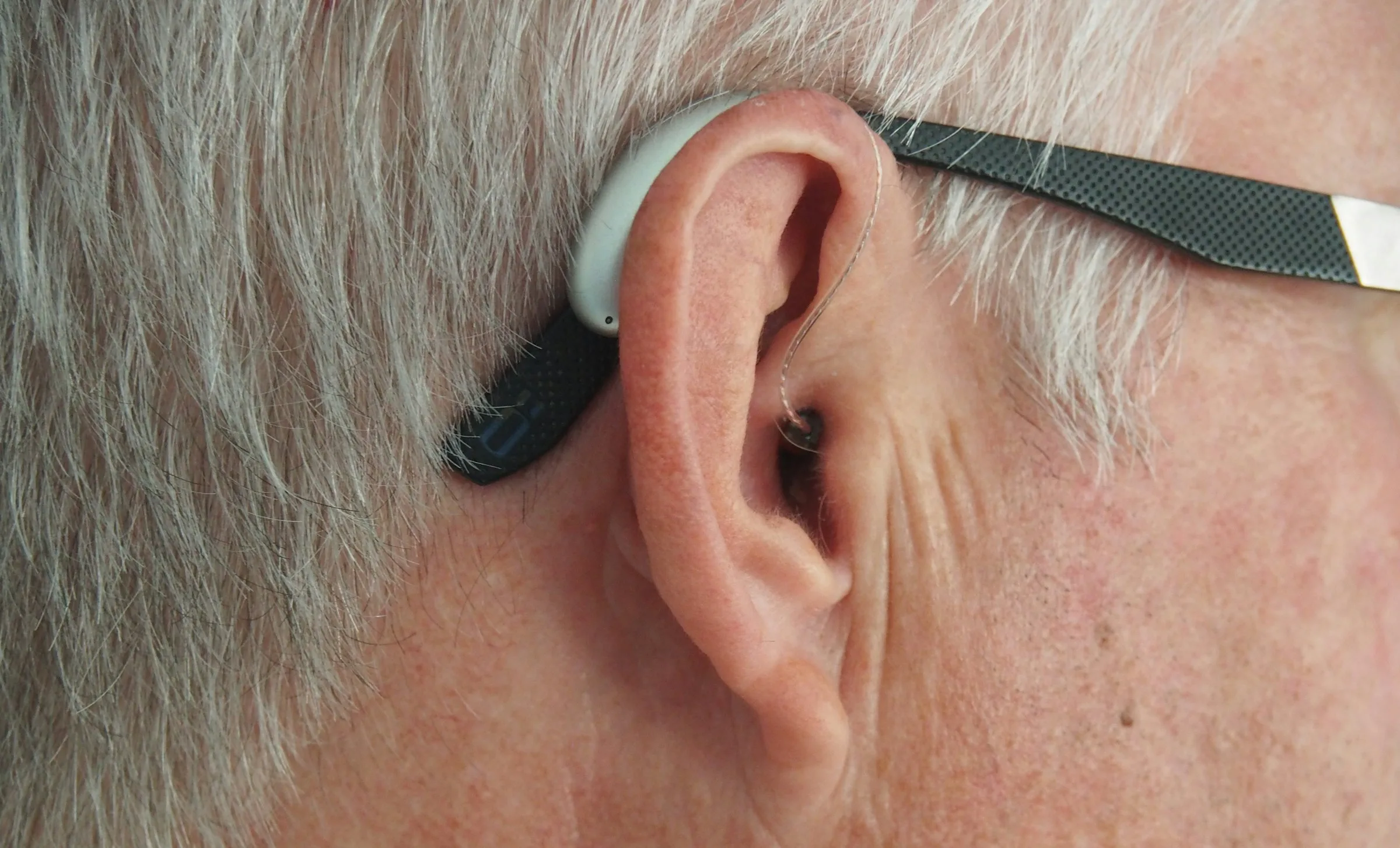
An audio induction loop system uses an amplifier and loop cable to create a magnetic signal from a microphone or other audio source. A compatible hearing aid or cochlear implant receives that signal through its telecoil, often called the T setting. This helps the listener hear the chosen sound with less surrounding room noise. The microphone still needs to pick up the right voice.
Will a hearing loop work with every hearing aid?
No. Direct reception requires a compatible telecoil and an activated loop programme. Bluetooth capability alone does not mean a device can receive an induction loop. Users can check their settings with their audiologist. A separate hearing loop receiver with headphones can provide another way to listen; discuss receiver provision and other communication needs when planning the system.
Can a portable hearing loop cover a whole room?
Not necessarily. A small portable unit intended for a conversation across a desk has a different coverage area from a room loop. Positioning, the microphone and the way the room is used all matter. Tell us if you need to move equipment between spaces so the specialist can assess suitable options. We do not assume a portable product will cover a meeting or event just because it is described as wireless.
How often should a hearing loop be tested and maintained?
RNID recommends hearing loop maintenance every 12 months. Agree the servicing schedule with the specialist and include regular staff listening checks using suitable equipment. Check after relevant building or audio-system changes, and investigate reported faults promptly. The annual recommendation is not a universal statutory testing interval. A power light alone cannot tell you what a listener receives.
What does induction loop testing check?
It checks the signal across the intended listening area, including strength, frequency response and magnetic background noise. Listening with the actual audio sources also helps identify missing speech or distortion. Ask which positions will be tested, which standard will be used and what results or coverage information will be provided. A quick listening check and a measured performance assessment serve different purposes.
Are hearing loops a legal requirement?
In Great Britain, service providers must make reasonable adjustments for disabled people; suitable auxiliary aids can include a hearing loop. This is not a blanket requirement for the same equipment in every building. For relevant building work in England, Approved Document M also gives guidance on hearing enhancement. Northern Ireland has a separate legal framework. The right provision depends on the premises and users; fitting a loop alone does not establish overall compliance.
Can a hearing loop be used for confidential meetings?
Privacy needs to be considered before choosing the system. A loop’s magnetic signal can extend beyond the intended listening area and may reach an adjacent room. Tell the specialist about confidential discussions and neighbouring loops so suitability and signal spill can be assessed. Do not assume walls alone contain the signal or that any loop guarantees a private conversation.
How much does hearing loop installation cost?
The quotation depends on the listening area, building construction, cable routes, microphones and other audio sources, and whether existing equipment can be reused. Counter provision and a large hall require different assessments. Send plans and existing system details where available, and ask for installation, testing, handover and ongoing maintenance to be clear in the proposal. Centurion arranges the specialist assessment.