



Skip to content
Trainer at a flipchart leading a session in a bright modern office

Fire warden and fire marshal training

We arrange fire warden training and fire safety awareness training alongside fire risk assessments. Tell us who needs training and the duties they carry out, so we can help you take the next step.

Training for wardens and the wider team

Everyone needs to know what to do if there’s a fire. Staff with evacuation responsibilities need additional training for their role. Start with the duties set out in your emergency plan.

  • Fire warden training

    For nominated staff who help put your fire procedures into practice. Their training needs to cover their assigned areas, how they help people leave and how they report information during an evacuation.

  • Fire safety awareness training

    For employees who need to recognise fire risks, raise the alarm and understand the response when it sounds. This gives the wider team essential knowledge; nominated wardens have additional responsibilities to learn.

  • Alongside your fire risk assessment

    If your assessment has identified a training gap, bring it into the conversation. We can discuss fire warden or awareness training alongside the assessment, with Centurion handling your enquiry.

Plan training around your premises

Offices and shared workplaces

A hybrid team may have plenty of wardens on paper but few in the office on a Friday. Look at who is present across the week, as well as the areas they cover. In a shared building, your team also needs to understand how its duties fit with the landlord’s and other occupiers’ fire procedures.

  • Cover when people are awayInclude holidays, sickness and different shifts when deciding who needs training.
  • Shared escape routesClarify how information passes between occupiers and who coordinates the response in shared areas.
  • Visitors and contractorsInclude people unfamiliar with the building when explaining your evacuation and reporting arrangements.

Often paired with

Care and healthcare premises

Residents or patients may need help to reach safety, and the people available to assist can change overnight. Training needs to reflect the building’s evacuation strategy and the duties assigned to each staff group. Tell us about those responsibilities when you enquire.

  • People who need assistanceExplain the support residents or patients need and the responsibilities in their evacuation arrangements.
  • Night staff and shift changesConsider the team available overnight as well as during the day when identifying training needs.
  • Specialist evacuation dutiesFlag any equipment or techniques staff are expected to use. These may call for additional training.

Schools and colleges

A school’s fire procedures need to work during lessons, after-school clubs and events. Teachers and support staff may have different duties, while visitors need clear directions. Use your emergency plan and recent drill findings to identify the people and responsibilities the training needs to cover.

  • Clear responsibilitiesExplain who looks after each area, who supports pupils and how absence is covered.
  • Changing attendanceInclude visitors, contractors and groups using the site outside normal teaching hours.
  • Lessons from drillsNote any missed instructions or confusion at assembly points so you can address gaps in staff knowledge.

Often paired with

Make the role clear before choosing a course

A fire warden course needs to prepare people for the responsibilities you give them. Keep the duties clear and give staff the information they need about your building. Appointing wardens does not transfer the responsible person’s fire safety duties to them.

  • The areas and people each warden is responsible for
  • How staff raise the alarm and report evacuation information
  • Arrangements for people who need help to leave
  • The limits of the role and when to leave an area

Wardens are not a rescue team

Any checks of an area must stay within the emergency plan, training and safe limits. Wardens should never be expected to enter smoke or put themselves at risk to search a building.

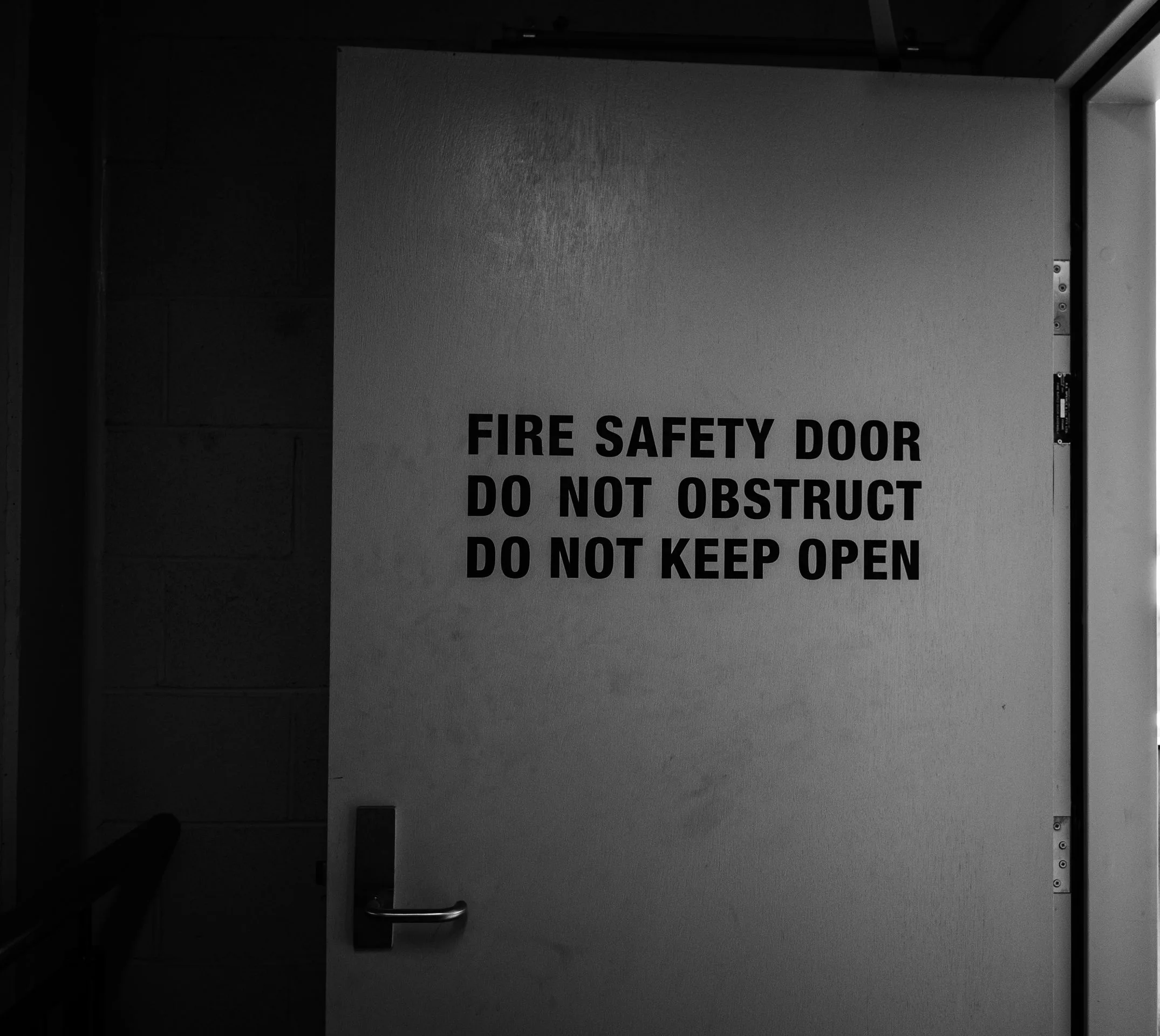
A fire door in a stairwell, signed "Fire safety door, do not obstruct, do not keep open", in black and white

Arrange training through Centurion

Share the training actions from your fire risk assessment and tell us about your team. We’ll help you establish what needs to be covered before a booking is made.

  1. At enquiry

    Tell us who needs training

    Send the premises address, learner numbers and roles. Include training actions from your fire risk assessment and recent drills.

    You get: A clear picture of your training needs

  2. Before booking

    Confirm the course details

    Confirm content, delivery format, duration and price before booking, including any practical exercises and completion record.

    You get: Course details and a quotation

  3. Following training

    Plan the follow-up at work

    Arrange time for your team to learn the building’s alarm, escape routes and reporting arrangements, alongside their course.

    You get: Your workplace familiarisation plan

  4. At review and when things change

    Keep training and warden cover current

    Keep a record of who has been trained and the duties they cover. Staff changes, new risks and drill findings can all create a need for further training. Review these alongside your planned refresher programme.

    You get: Your training and refresher records

Questions about fire warden training

Are fire wardens and fire marshals the same?

The terms often describe similar roles, but some organisations use a marshal to coordinate the response and wardens to cover particular areas. When choosing fire marshal training, look at the responsibilities in your emergency plan. The course needs to suit those duties, whatever job title you use.

How many fire wardens do I need?

There is no fixed statutory ratio for every workplace in England and Wales. You need enough competent people to carry out your evacuation procedures. Your fire risk assessment should consider the layout, occupancy and people who need assistance. Allow for shifts, hybrid working, holidays and sickness so the plan works when a regular warden is away.

What should fire warden training cover?

It should prepare people for their assigned duties: recognising fire hazards, understanding the alarm and evacuation plan, helping people leave and passing on information. A course should also explain the limits of the role. Share any specialist responsibilities when enquiring, so the proposed content can be checked and additional training needs identified.

How often should fire warden training be refreshed?

In England and Wales, the Fire Safety Order requires periodic training where appropriate and training that adapts to changing risks. It sets no universal certificate expiry. Government guidance recommends staff refresher training at least annually, with more frequent training in some higher-risk premises. Use your fire risk assessment and drill findings to plan refreshers, rather than relying on a certificate date.

How much does training cost and how long does it take?

We’ll discuss the number of learners and what they need to cover before the course details and price are confirmed. Tell us about their roles and the premises they work in. Duration, delivery format and any completion certificate or record should all be clear before you book.

Does the course include practical fire extinguisher training?

A practical exercise needs to be confirmed separately as part of the course content. Learning about extinguisher types is different from practising with one, and live-fire practice should not be assumed. Tell us if your emergency plan gives staff a firefighting role so the training enquiry covers that responsibility.

Can I arrange training without a fire risk assessment?

The training offered here is available alongside fire risk assessments. If you already have an assessment and need training separately, tell us when you enquire. We’ll check availability and suitability before a booking is agreed.