
Skip to content
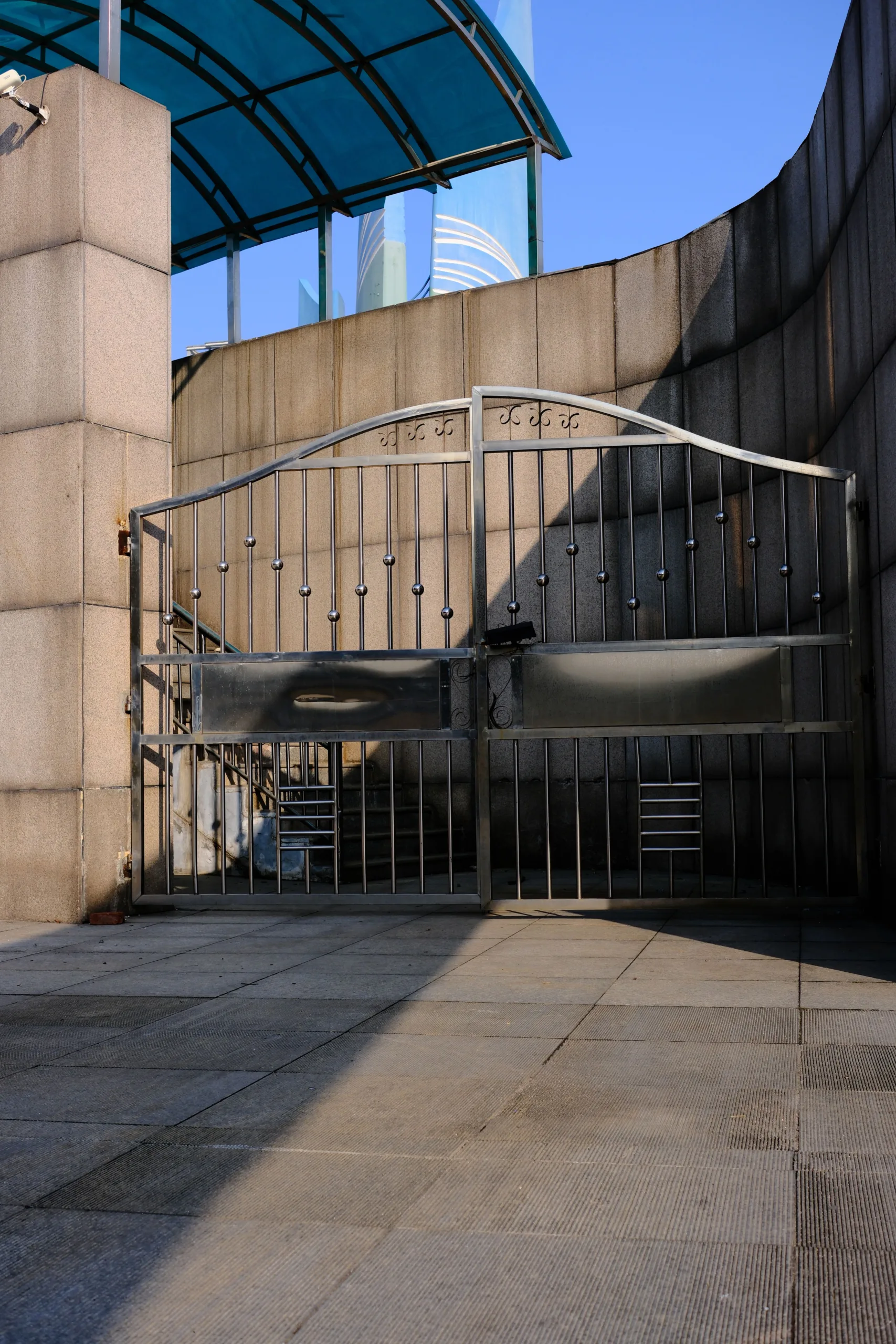
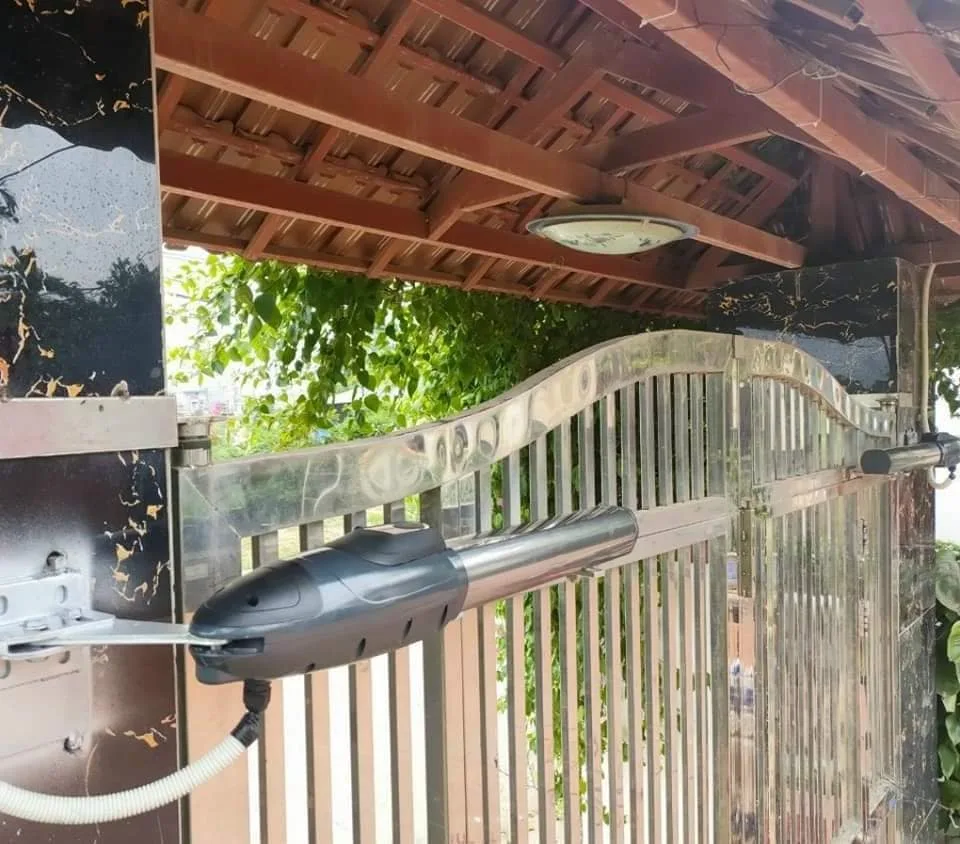
Metal gates across a covered vehicle entrance (same photo as today, full resolution)

Commercial electric gates, barriers and bollards

Control who drives into your car park, yard or compound. Centurion arranges commercial gate and barrier installation, repairs and maintenance through a specialist, with one contact to help you plan the work.

Choose how vehicles enter your site

A barrier that handles the morning arrivals has a different job from a gate that closes a yard at night. Start with the traffic, the space available and who needs access.

  • Electric gates

    Electric gates close a vehicle entrance as part of your perimeter. The opening needs to suit the vehicles using it, with enough space for the gate to move and a design that takes people nearby into account.

  • Car park barriers

    Rising-arm car park barriers control vehicle entry without closing the whole opening. Plan the barrier and its controls together, including how staff get in, visitors request entry and vehicles leave.

  • Security bollards

    Security bollards can restrict vehicles where a full-width gate would be unsuitable. Decide which areas should stay closed to traffic and where authorised vehicles still need to pass; that determines the type and layout.

An entrance that works through the day

Staff and visitor car parks

The barrier is only one part of car park access. Staff need a convenient way in, visitors need someone to answer, and vehicles need room to wait. When planning car park barrier installation, explain the busiest times and any problems with your current entrance.

  • Regular usersFobs or number plate recognition can admit regular users. Plan who will update permissions when staff or vehicles change.
  • Visitors and deliveriesAn intercom lets staff authorise entry. Decide who will answer when reception is busy or closed.
  • Busy arrival timesAllow room to wait without blocking the road, exit lane or route for people on foot.

Yards and compounds

A delivery lorry needs more room than a staff car. Think about the approach and turning space as well as the width of the gate. Tell us when deliveries arrive and how shift staff get in after the rest of the site has closed.

  • Delivery vehiclesInclude the largest vehicles using the yard, including visiting contractors, when discussing the opening and approach.
  • Out-of-hours accessDecide who needs access after closing and who can authorise an unexpected delivery.
  • People on footPlan a separate pedestrian route where possible, so people do not have to use the moving vehicle entrance.

Existing gates and barriers

A recurring fault or change of maintenance provider is a reason to review the equipment. We can arrange an assessment of existing electric gates and barriers. Send the make, recent service reports and a description of the problem so the specialist has a useful starting point.

  • Repair optionsCondition, safety and the availability of compatible parts determine whether equipment can be repaired or needs replacing.
  • Maintenance takeoversAn assessment establishes what can be maintained and whether repairs or safety improvements are needed first.
  • Changes to access controlsShare details of fobs, intercoms or other controls you want to keep, so compatibility can be checked.

Powered gate safety needs the whole entrance in view

People may walk beside the gate, reach through it or wait close to where it moves. A competent specialist needs to assess the installation as a whole and choose protection for the hazards at that entrance.

  • People on foot and anyone who can reach the moving gate
  • Crushing, trapping and other movement hazards
  • Suitable protective devices and the gate’s response
  • Instructions for use, safety checks and maintenance

A force test is part of the safety assessment

Force testing checks protection where a gate uses force limitation. It does not replace assessment of trapping points, protective devices and the way people use the entrance.

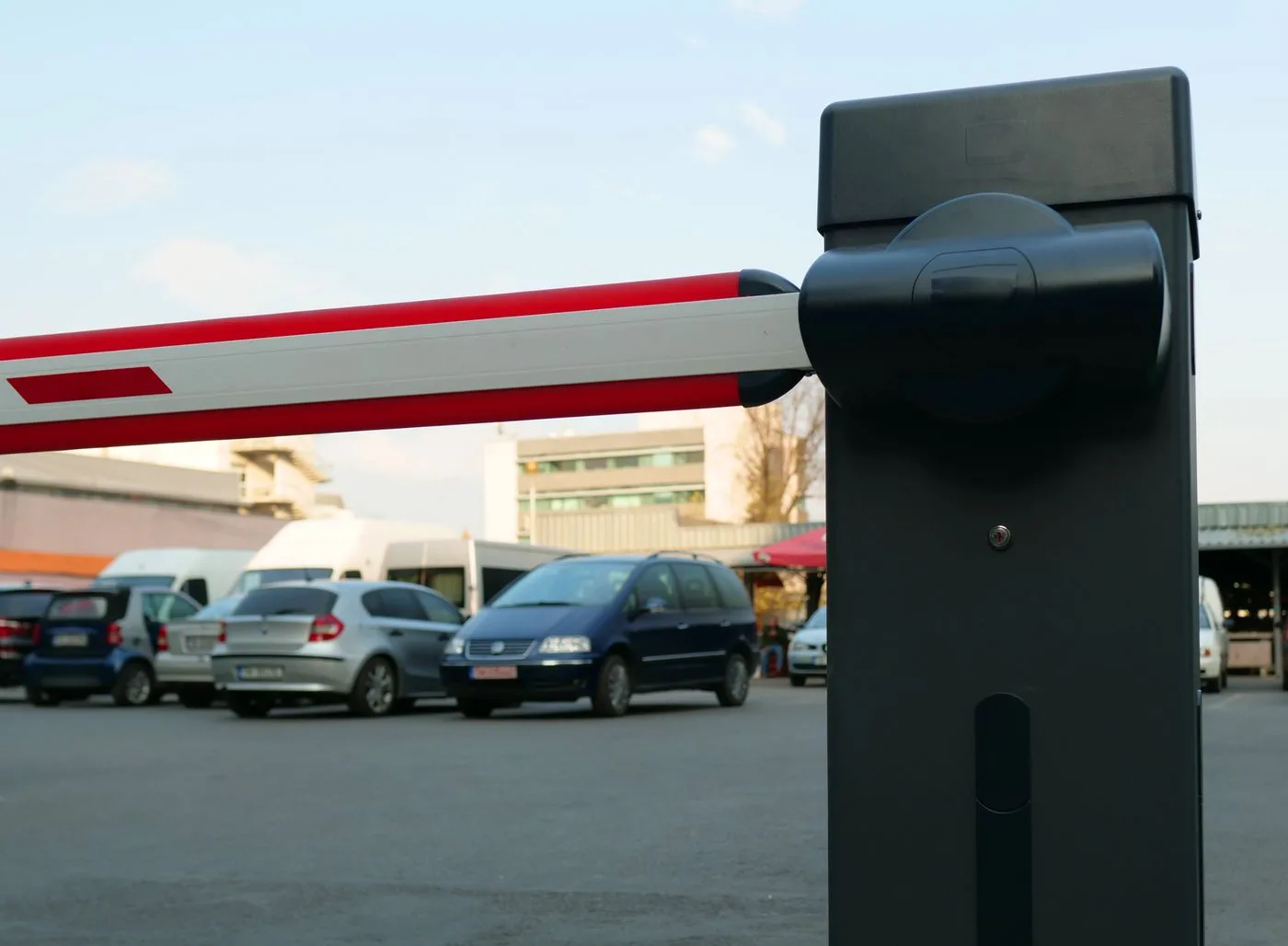
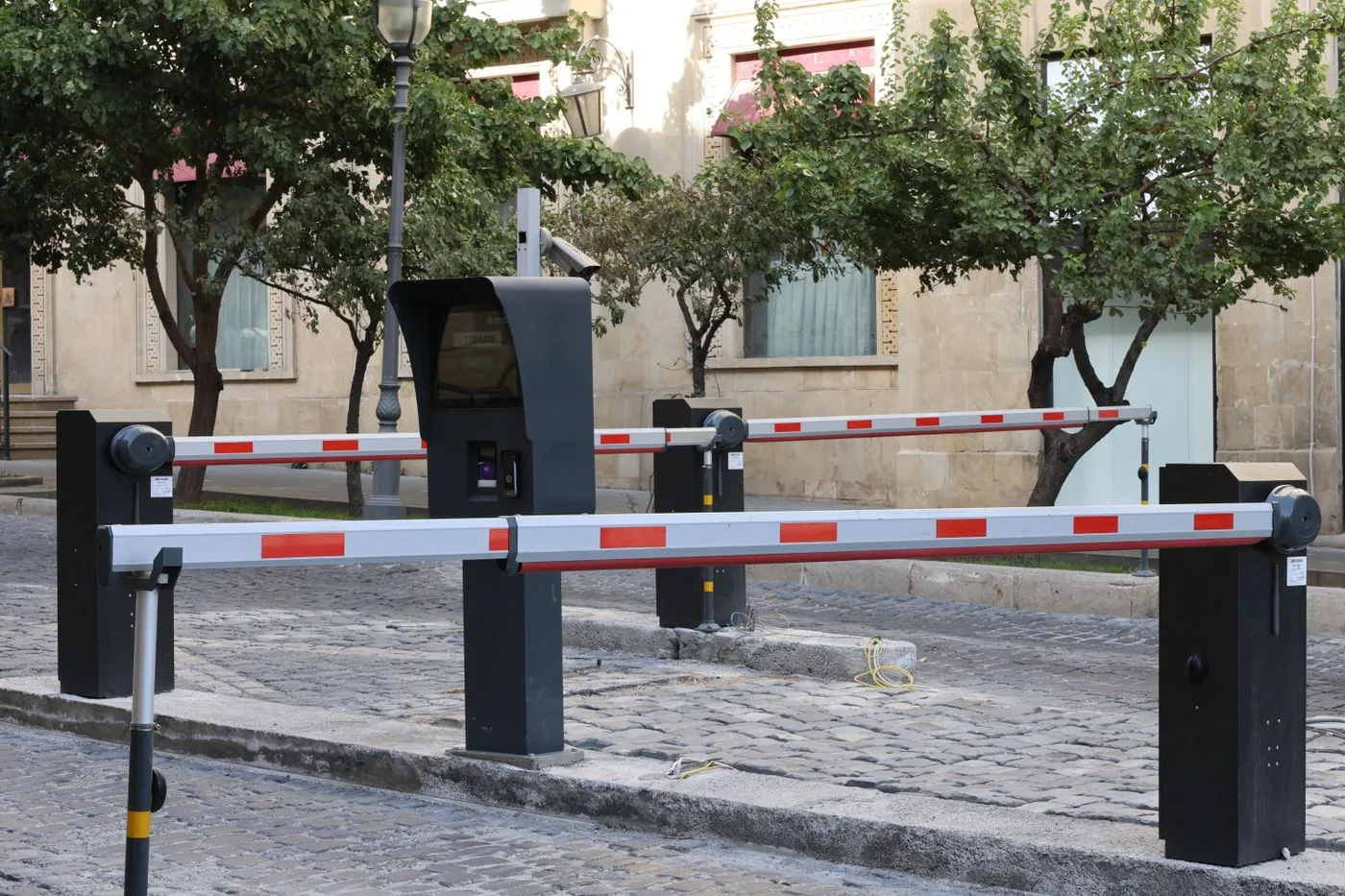
Vehicle entrance with rising-arm barriers and a central control pedestal

From the first enquiry to a working entrance

Tell Centurion where the site is and what needs changing. We arrange the appropriate specialist and remain your contact as the work is planned.

  1. Before choosing equipment

    Assess the entrance

    Review traffic, space, pedestrian routes and existing equipment. Explain what is difficult about the entrance now.

    You get: A review of the entrance and proposed work

  2. Before work starts

    Set out the work

    Confirm the equipment, controls and work included. Discuss groundworks, power supplies and access while the work takes place.

    You get: A quotation setting out what is included

  3. At installation and handover

    Install, check and hand over

    The specialist fits or repairs the equipment and checks operation and safety. Keep the handover documents with your site records.

    You get: Handover records; new gate declaration of conformity and instructions

  4. On your agreed service schedule

    Electric gate maintenance and repairs

    We can arrange servicing for gates and barriers, with an assessment before taking over existing equipment. The maintainer agrees the checks and visit schedule, and records faults and further work needed.

    You get: Service records and recommended work

Questions about commercial gates and barriers

Should I choose a gate, a barrier or bollards?

A gate closes an entrance as part of a perimeter. A rising-arm barrier manages vehicle entry but does not close the opening to pedestrians. Bollards restrict vehicle access without a full-width gate. The right choice depends on the traffic, available space and how people use the entrance.

Can you repair or maintain a gate another company installed?

Yes, we can arrange an assessment for electric gate repairs or a maintenance takeover. The specialist checks the equipment’s condition, safety and parts availability before confirming what can be done. Send us the make and any recent reports, including outstanding faults or recommended work.

Can gates and barriers work with ANPR, fobs or intercoms?

Yes, where the equipment is compatible. Number plate recognition can authorise known vehicles, fobs can admit regular users, and an intercom lets staff speak to visitors before opening the entrance. Share details of existing access control or CCTV at the survey so the specialist can check what can work together.

How often should electric gates be serviced?

There is no single interval for every gate. The manufacturer’s instructions, frequency of use and conditions at the entrance all matter. Agree servicing and safety checks with a competent maintainer, keep the records and report faults between visits. A busy depot entrance may need more frequent attention than a gate used a few times a day.

What does gate force testing tell you?

It measures the forces a moving gate applies, using suitable test equipment. Where force limitation is used to protect people, the results help check that it is working as intended. Force testing is a specialist task and one part of assessing safety; it does not replace checks of other hazards or protective devices.

How much do commercial electric gates cost?

The entrance width, gate type and opening controls affect the price, as do groundworks, power supplies and changes to existing equipment. Car park barriers and bollards need their own assessment too. We can arrange a survey so you receive a quotation for the work your entrance needs.