How often should emergency lighting be tested?
Government guidance for offices and shops describes monthly function tests, an annual full-discharge test and daily visual checks of any central controls. These are different checks. Confirm the routine for your installation with a competent specialist, including how automatic test results are reviewed, and keep the results in your emergency lighting log book.
Does an annual test always take three hours?
The test checks the system’s full rated duration. Three hours is common, but the duration needs confirming from the system records and the building’s escape arrangements. The visit also needs time for inspection and recording results. Discuss battery recharge and any temporary precautions before booking.
Can our staff carry out routine checks?
Staff can carry out simple checks if they’re competent to follow the system’s instructions and record the results. Ask for an explanation of the test facilities or automatic test indicators at handover. Repairs and specialist inspections need the appropriate competence; a routine check doesn’t replace them.
What emergency lighting certificate or records will I need?
The paperwork depends on the work. A new installation needs design, installation and commissioning documentation; testing needs a record of results and defects. Agree what will be provided before the visit and keep it with your log book and repair history. A test report alone doesn’t confirm that the lighting design still suits the building.
What is maintained and non-maintained emergency lighting?
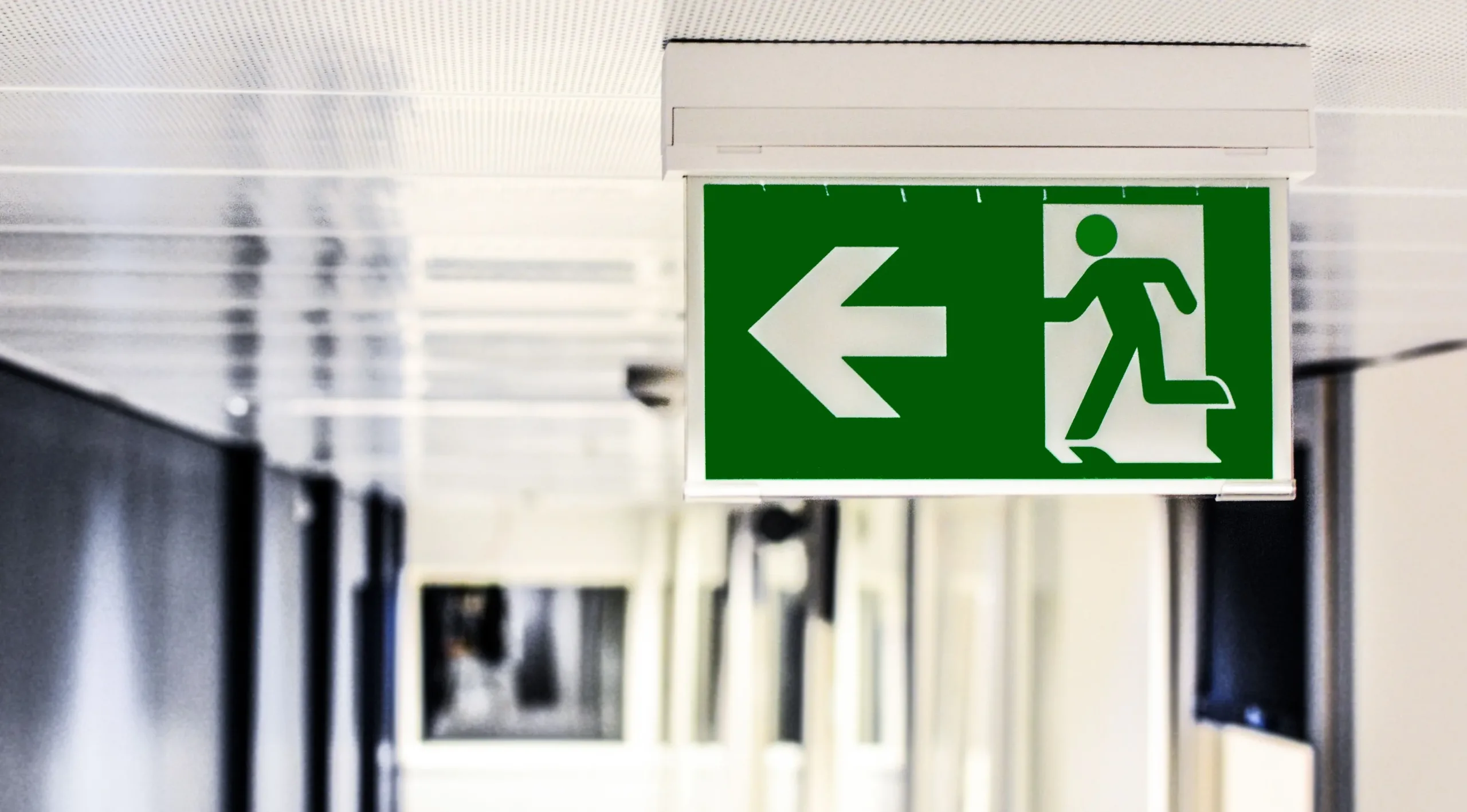
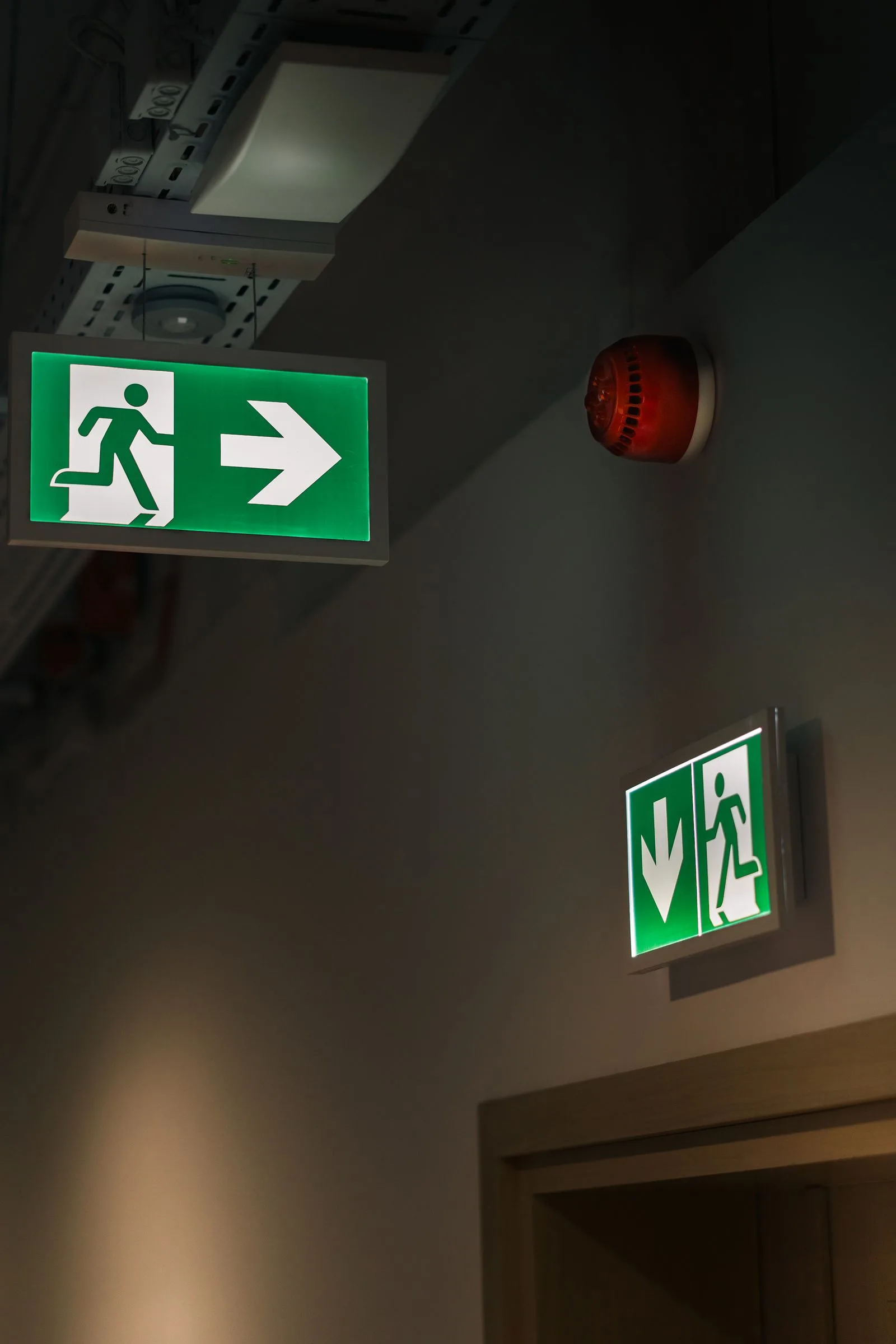
Maintained emergency lighting can operate during normal use and continues on its emergency supply when the normal lighting supply fails. Non-maintained emergency lighting comes on when that supply fails. The right choice depends on the building and where the fitting is used; signs and escape route lights may need different operating arrangements.
Is emergency lighting a legal requirement?
In England and Wales, the Fire Safety Order requires adequate emergency lighting on routes and exits that need illumination if their normal lighting fails. Your fire risk assessment should establish what the premises need. Scotland and Northern Ireland have separate fire safety laws. British Standards provide technical guidance; they are not themselves legislation.
What affects the cost of installation or testing?
Installation costs depend on the layout, fitting types, wiring and access. For testing, the number of fittings, rated duration and available records all matter. Repairs found during a visit may be additional work. Share your plans or asset list so the quotation can distinguish the work included from any follow-up repairs.