
Skip to content
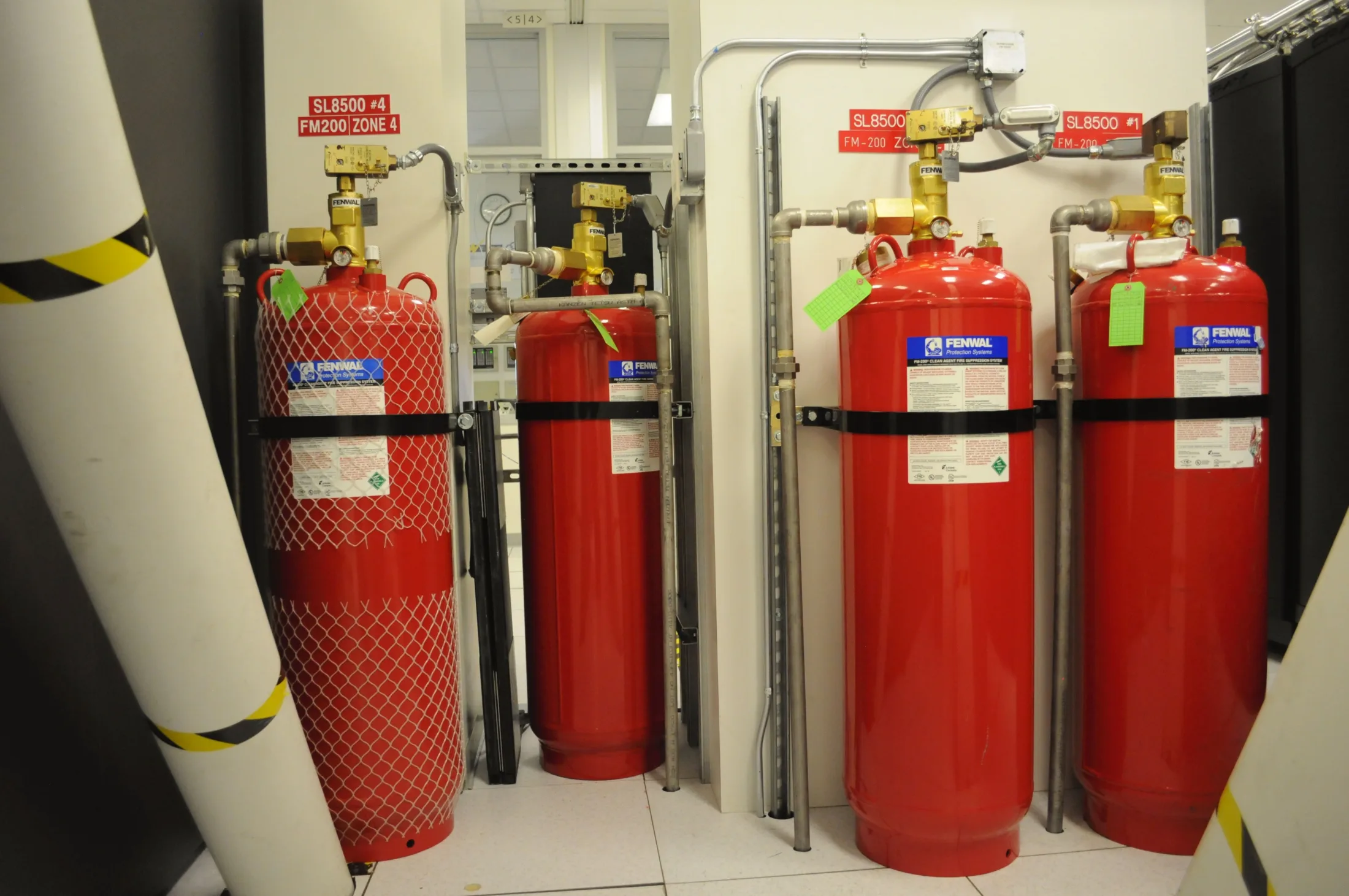
Existing FM-200 suppression cylinders and pipework at a computing facility

Gas suppression systems for server rooms and plant

Protect sensitive equipment and collections without using water. Centurion arranges gas fire suppression systems for enclosed rooms, along with servicing, room integrity testing and help with older installations.

Choosing your gas suppression system

The agent is only part of the decision. The room, the equipment inside it and the people who need access all shape the design.

  • Inert gas systems

    Inert gas fire suppression systems use gases such as nitrogen and argon to lower oxygen levels and suppress a fire. Cylinder storage, pipe routes and pressure relief need to work with the building.

  • Chemical clean agent systems

    Chemical clean agent fire suppression can suit sensitive electrical equipment where residue would be a problem. The specialist checks the agent, system approval and future refill support before recommending equipment.

  • CO2 for industrial hazards

    CO2 systems can protect certain non-occupied plant and machinery hazards. The concentrations used are dangerous to people, so access controls and protection against accidental discharge are central to the design.

  • Room integrity testing

    A door fan test measures leakage and predicts how long a protected room can retain its extinguishing agent. We arrange testing and advice on sealing work where the room falls short.

  • Servicing an existing system

    Detection, release controls, cylinders and pipework all need attention. Send us the system details and service history so we can confirm support and arrange the work it needs.

  • Decommissioning and removal

    Moving out or changing the room’s use may mean retiring a system. We arrange specialist isolation, removal and appropriate disposal, with records for you to keep.

What needs protecting, and what has changed?

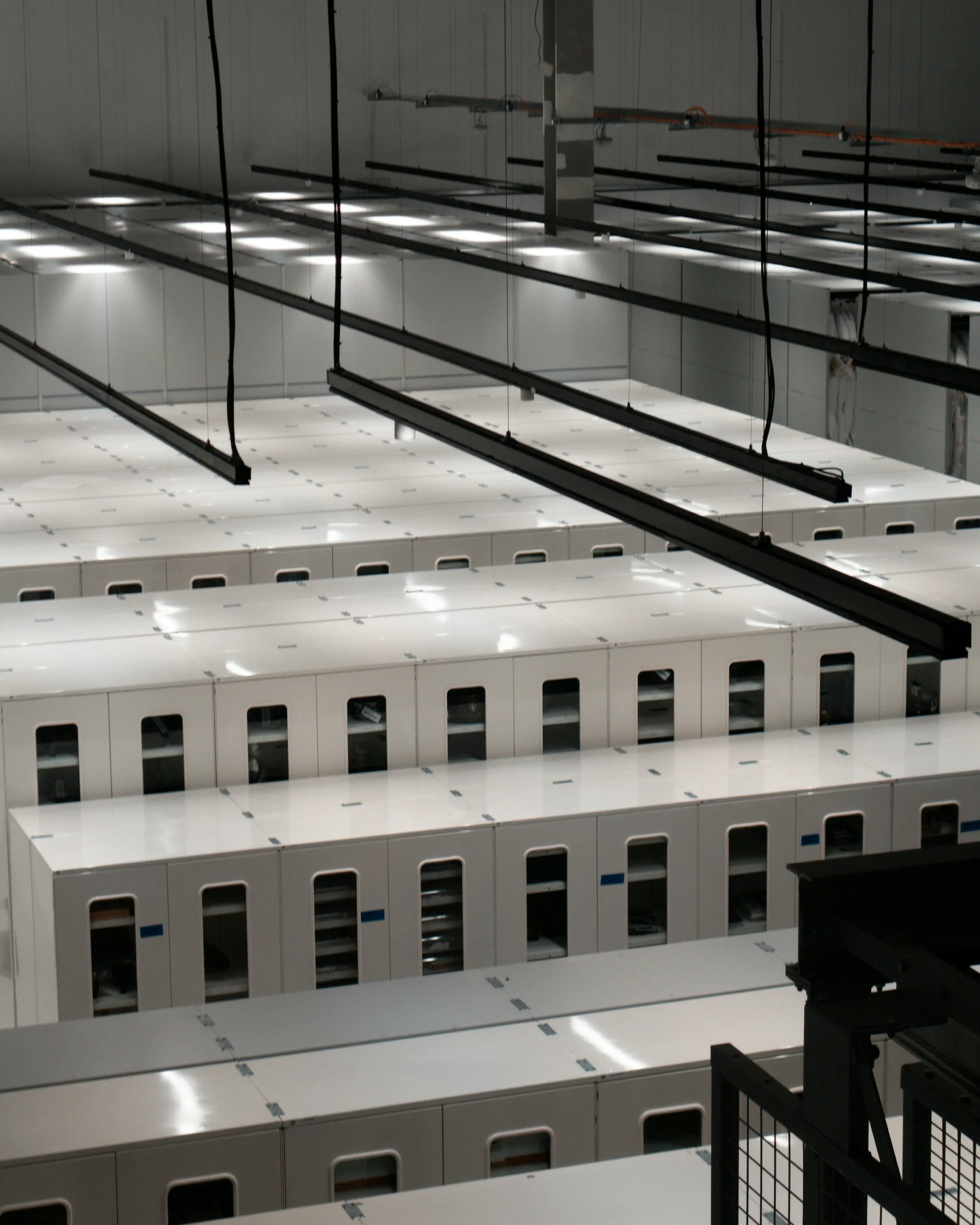
Server rooms and data centres

Server room fire suppression needs to fit the cooling, cabling and equipment layout. Raised floors and ceiling voids may form part of the protected space. We arrange a survey that looks beyond the racks to the room around them.

  • Room boundariesCable openings, doors and ventilation routes can let agent escape. The enclosure needs checking as a whole.
  • Connected equipmentAgree what cooling, ventilation and electrical equipment should do when the suppression system operates.
  • Planning recoveryDiscuss discharge noise, equipment sensitivity and the steps needed before the room can return to use.

Often paired with

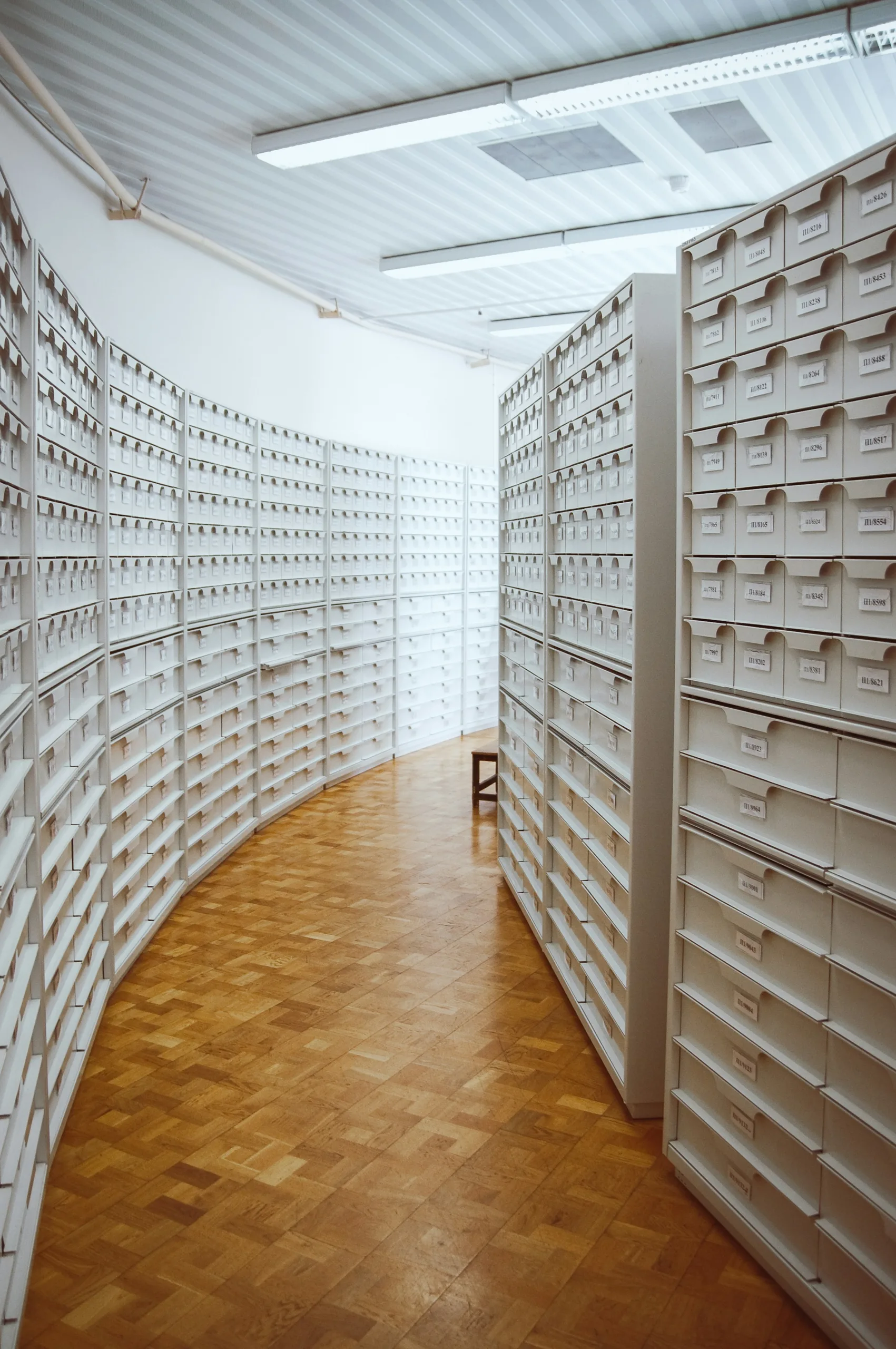
Archives and collections

Paper records and collection items can be difficult to replace. Gaseous fire suppression may help where water damage is a concern, but the materials, storage layout and room enclosure still need careful assessment.

  • What is storedTell us about the materials and how they are housed. Agent selection needs to account for the actual collection.
  • Access to the roomStaff and visiting researchers need clear warnings and escape arrangements, even where access is infrequent.
  • Changes to storageNew shelving or a different use of the room can affect the protection. Include planned changes in the survey.

Often paired with

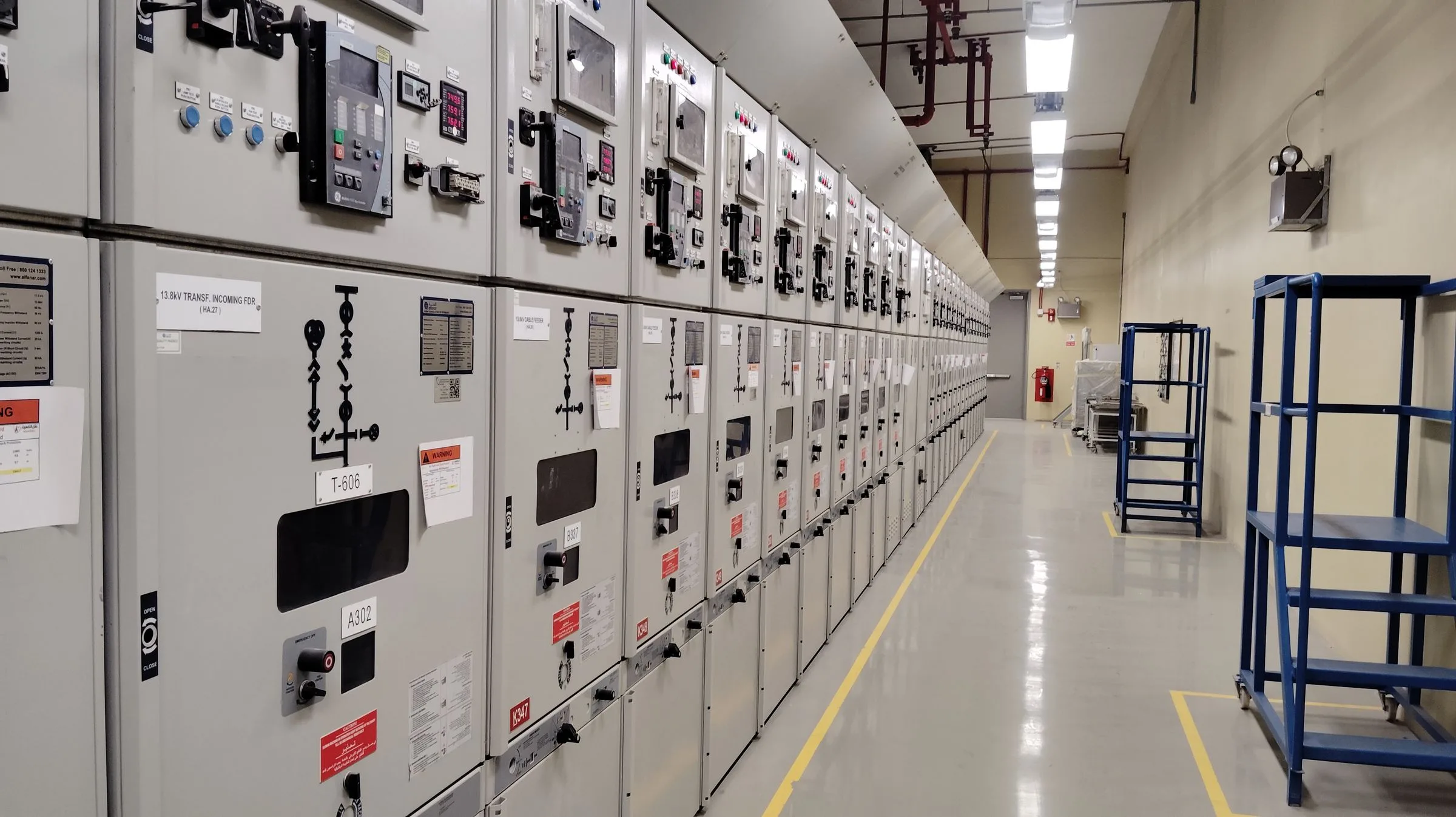
Plant and electrical rooms

A switch room or process enclosure has different demands from an office server room. Heat, ventilation and access for maintenance all matter. The specialist assesses the hazard before deciding whether gas suppression is suitable.

  • The equipment at riskExplain what the plant does and what happens if it stops. That helps define the area and equipment needing protection.
  • People entering for maintenanceAn area usually left empty may still need regular access. Safe entry and isolation arrangements must reflect that.
  • Room or local protectionSome industrial hazards need protection around equipment rather than the whole room. The design establishes the approach.

Often paired with

An older FM-200 or Novec system

You may have inherited cylinders and a control panel without a clear picture of their condition. We arrange a review of the records, equipment and protected room, so you can plan servicing or replacement with the facts in front of you.

  • Identify what is installedAgent names, cylinder labels and previous reports help establish the system type and the support it needs.
  • Check the room still matchesNew cable routes, partitions or ventilation can change how well the original design works.
  • Plan for a refillCheck agent availability and approved compatibility before a discharge or major repair forces a hurried decision.

People, equipment and the room itself

A gas suppression system needs more than the right cylinders. Its design must account for people entering the room, warning signals, escape and how the gas behaves when released. We arrange a specialist review of those details before work is specified.

  • Agent and concentration selected for the protected hazard
  • Warnings and controls for people entering the area
  • Room leakage and pressure relief considered in the design
  • Connections to detection, ventilation and other equipment

A test of the room, not the whole system

A successful door fan test does not prove that detectors, release controls or cylinders are working correctly. Those need their own inspection and testing as part of system maintenance.

Inergen Fire Protection System from Fire Eater (gauge and valve detail)

Photo: Inergen Fire Protection System from Fire Eater (gauge and valve detail), Mikkel Thorsen. CC BY-SA 4.0. Cropped

Planning gas suppression installation

Share your room plans, fire risk assessment and any insurer specification. For an existing system, its design records and latest service report help establish what is already there.

  1. Before a recommendation

    Survey and review

    We arrange a specialist survey of the room, its contents and any existing system, including access and ventilation.

    You get: A review of the room and existing protection

  2. Before work is agreed

    Design and quotation

    The proposal sets out the agent, equipment and room work needed. We discuss installation access and interruptions with you.

    You get: A specification and quotation

  3. Before the system enters service

    Installation and handover

    Specialists fit and commission the system, check the enclosure and explain the controls, with the records needed for ongoing care.

    You get: Commissioning records, instructions and test results

  4. Throughout the system’s life

    Gas suppression maintenance

    We arrange servicing and room integrity reviews for your system. Tell us before building work or equipment changes affect the protected area, so the specialist can check what needs updating.

    You get: Service reports, test results and recommended work

Questions about gas fire suppression

What is a gas fire suppression system?

It is a fixed system that releases an extinguishing agent to suppress a fire. Inert gases reduce oxygen levels; chemical clean agents work mainly by absorbing heat. The equipment is designed for a particular hazard and space. Detection and release controls need to work together, and a room-flooding system needs an enclosure that can retain the agent for the required time.

Is gas suppression safe in a room people use?

Some systems can be designed for normally occupied rooms, but that does not mean people should remain during a discharge. Agent choice, concentration, warnings and escape arrangements all matter. CO2 at fire suppression concentrations presents a serious danger to people. Follow the site’s evacuation and re-entry procedures; the system design must address access for both everyday use and maintenance.

How often does a room integrity test need to be done?

Testing forms part of commissioning and ongoing care. FIA guidance describes annual retesting unless documentary evidence shows that the protected enclosure has not changed since its last test. Building work, new cabling or ventilation changes can prompt another review. The specialist confirms what is needed for your room and system. A door fan test checks leakage without releasing the extinguishing agent.

Do we need to replace a Novec 1230 system?

The 3M manufacturing exit alone does not decide that. 3M completed its exit from PFAS manufacturing at the end of 2025. Novec 1230 is its brand of FK-5-1-12 extinguishing fluid. We arrange a review of your system’s condition, refill availability and approved compatibility before advising on continued support or replacement. A different supplier’s fluid is not automatically an approved refill for your equipment.

Can you arrange maintenance for an FM-200 system?

Yes, after checking the installation and available support. FM-200 is HFC-227ea, so F-gas requirements matter as well as mechanical and electrical servicing. In Great Britain, the required leak-check interval depends on the gas charge, its global warming potential and any automatic leak detection. Send us the system records so the specialist can confirm the work and schedule.

What affects the cost of gas suppression installation?

Room volume, the hazard, agent choice and cylinder storage all affect the price. Pipe routes, detection and controls add to the work, as can room sealing and pressure relief. A data centre fire suppression project may also need carefully planned interruptions to other equipment. The quotation should make the installation, testing and ongoing maintenance costs clear.