Skip to content
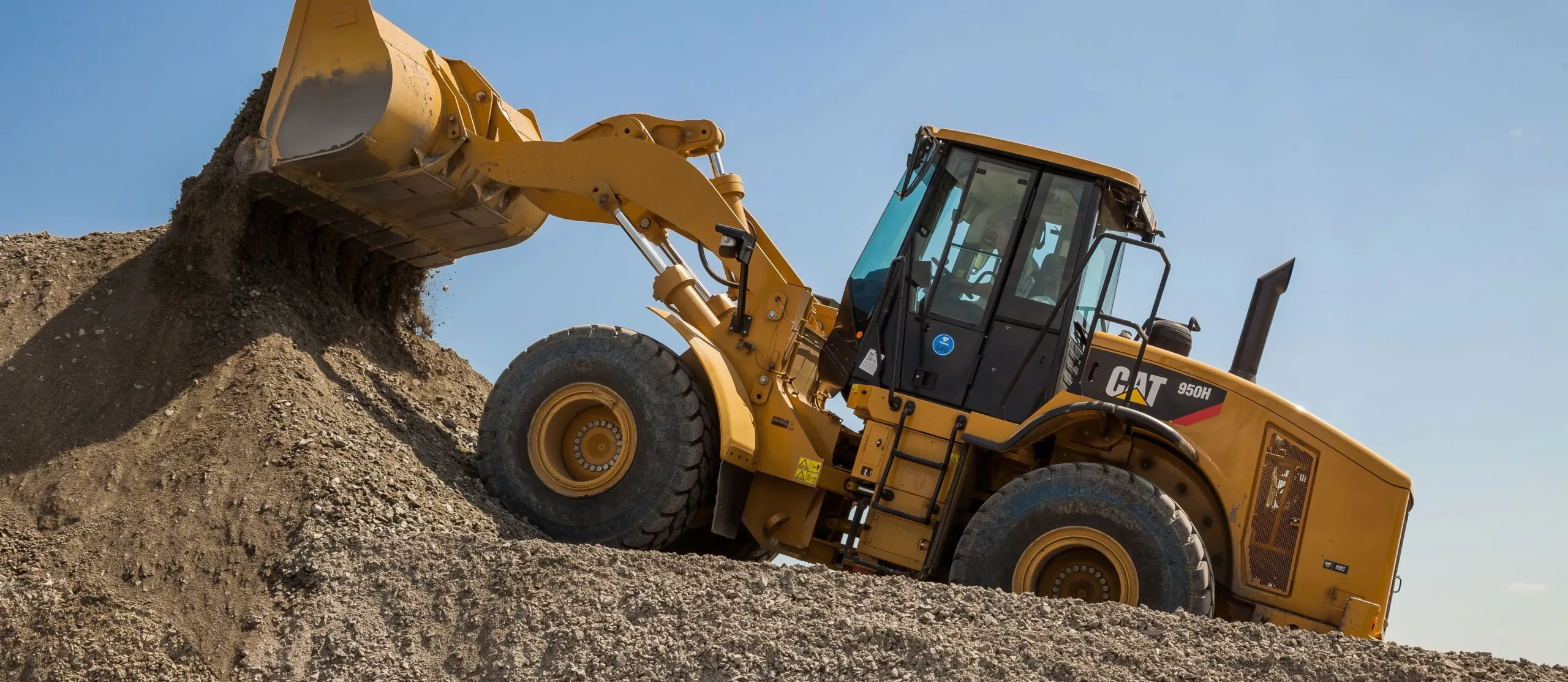
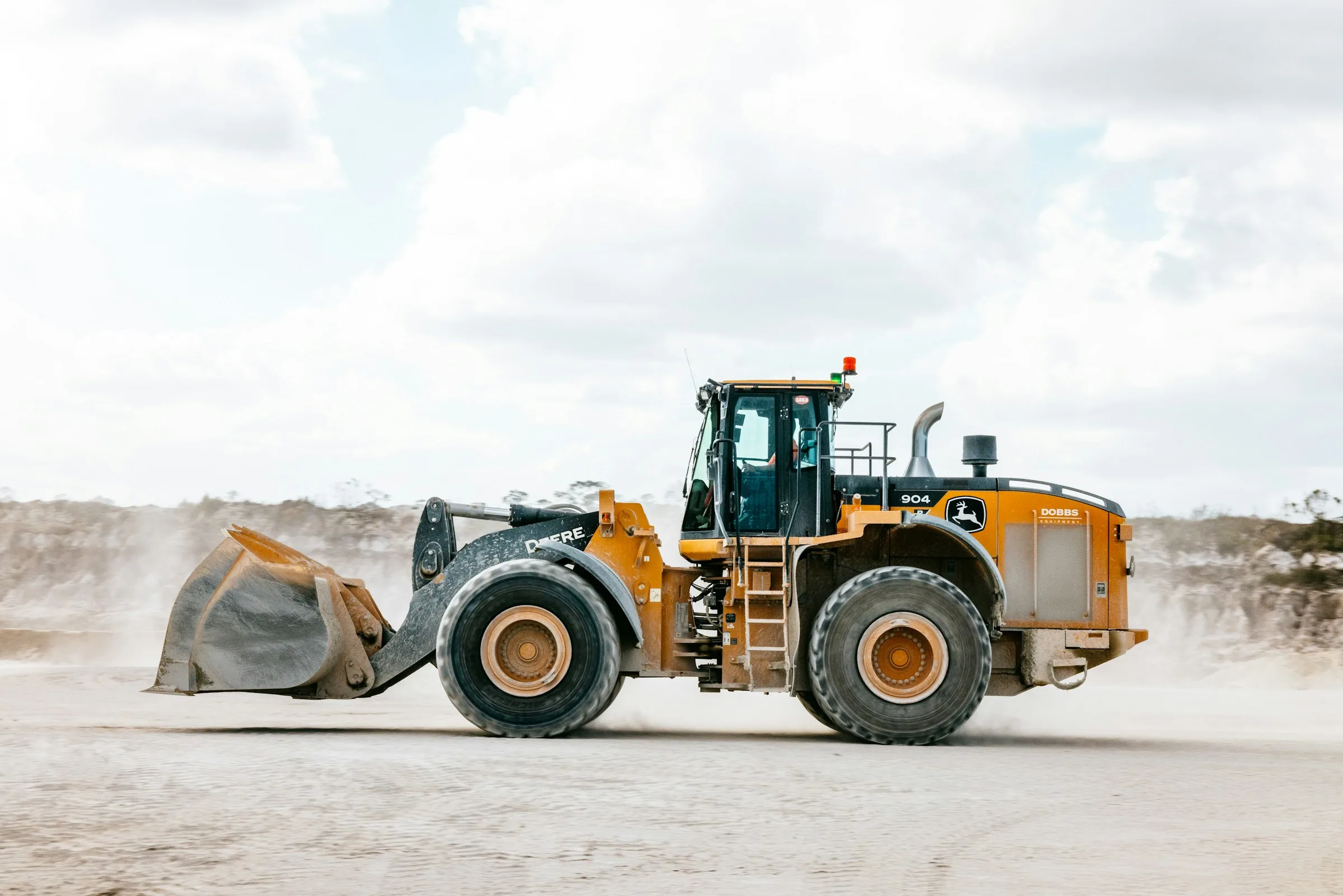
Heavy Machinery Moving Gravel in Quarry

Vehicle and plant fire suppression

Keep fire protection close to the engine and machinery that need it. Centurion arranges vehicle fire suppression systems for buses, mobile plant and waste vehicles, with specialist installation and servicing.

A system built around the vehicle

An engine bay, hydraulic equipment and the space around them all affect the design. The specialist identifies the hazards and sets out exactly which areas the system will protect.

  • Engine bay fire suppression

    Heat detection starts the system automatically, directing extinguishing agent into the protected area. The detector positions and nozzle layout need to suit the engine compartment, including its airflow and obstructions.

  • Suppression agents and nozzles

    Dry chemical, cooling liquid or a combination can be used, depending on the hazards. The system designer selects the agent and coverage; a larger cylinder alone does not establish that every risk is covered.

  • Operator warnings and manual release

    The operator needs a clear warning and a way to release the system by hand. The controls and release points are positioned so they can be reached safely, with their operation explained at handover.

  • Engine shutdown and isolation

    Connections can stop machinery or isolate electrical supplies when the system operates. These actions need assessing with the vehicle: bringing a moving machine to an abrupt halt can create another hazard.

  • Existing-system servicing

    Share the system make, vehicle details and latest service report. We can arrange a specialist review to establish what can be maintained and which faults or missing records need attention.

  • Recharge after a discharge

    A discharged system needs specialist attention before its protection is restored. The work may include investigation, replacement parts and recharge, following the vehicle and system manufacturers’ instructions.

Fire suppression for the way your fleet works

Buses and coaches

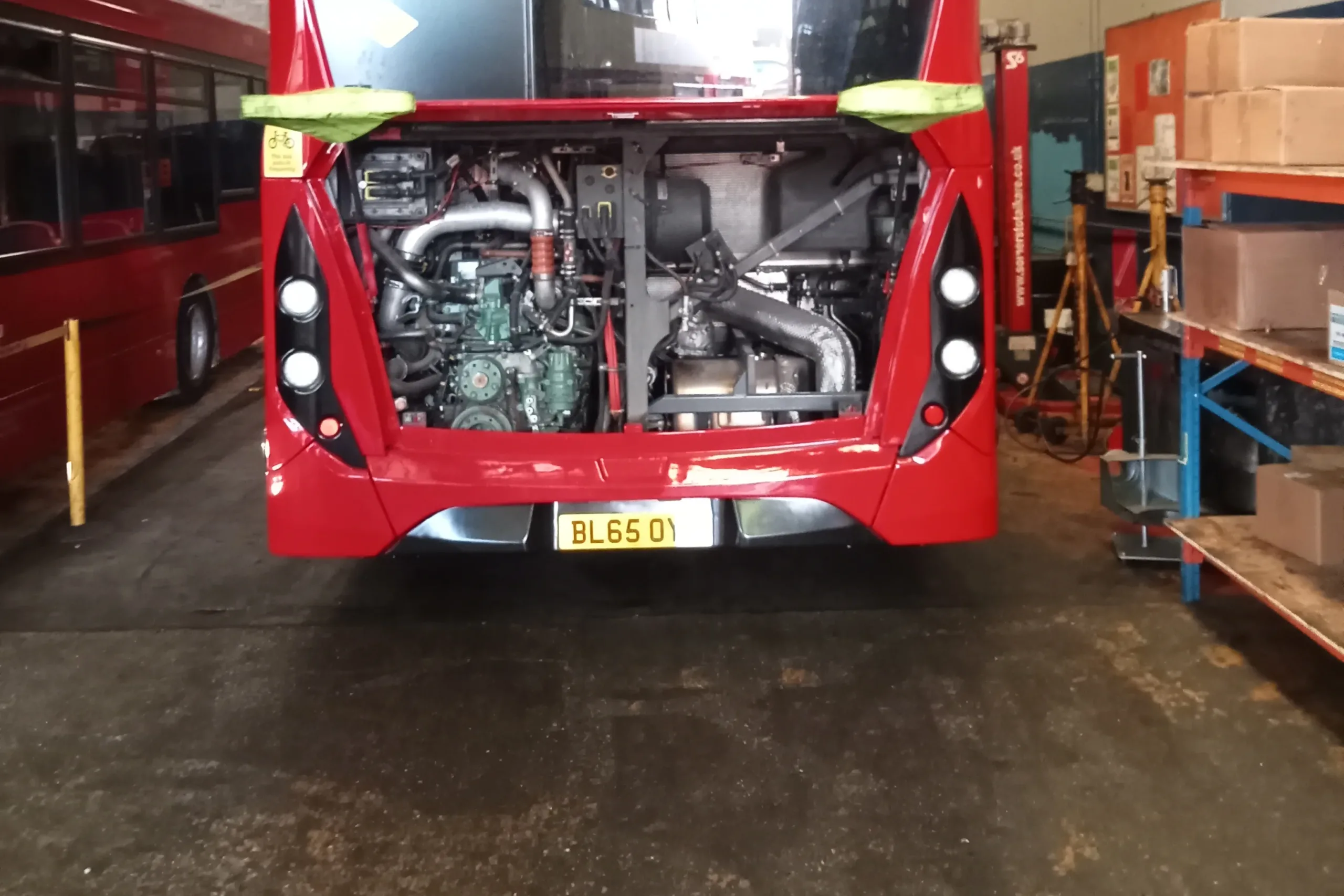
A bus fire suppression system needs to suit the vehicle model and its engine compartment. Tell us about the vehicles you operate, their age and any manufacturer or approval requirements. Depot access and vehicle availability matter when planning fitting or service visits.

  • Vehicle detailsShare the make, model, year and any records for the system already fitted.
  • Approval requirementsConfirm which UN R107 requirements apply to the vehicle and the proposed installation.
  • Depot planningIdentify when each vehicle can be made available and who keeps its service records.

Photo: Back of Stagecoach bus 13096 inside Catford Bus Garage (geograph 8250466).jpg, David Hillas. CC BY-SA 2.0. Cropped

Quarry and construction plant

Mobile plant fire suppression has to cope with the conditions around the machine. Dust, vibration and washing affect component selection and positioning. The review also considers hydraulic equipment and hot surfaces, rather than assuming engine-bay cover reaches every hazard.

  • The machine’s working conditionsExplain how the machine is used and cleaned, including changes of location or duty.
  • Protected areasAsk the designer to identify the hazards covered by the nozzles and any areas outside that coverage.
  • Insurer specificationsSend any requested approvals or protection details before a system is selected.

Waste and recycling vehicles

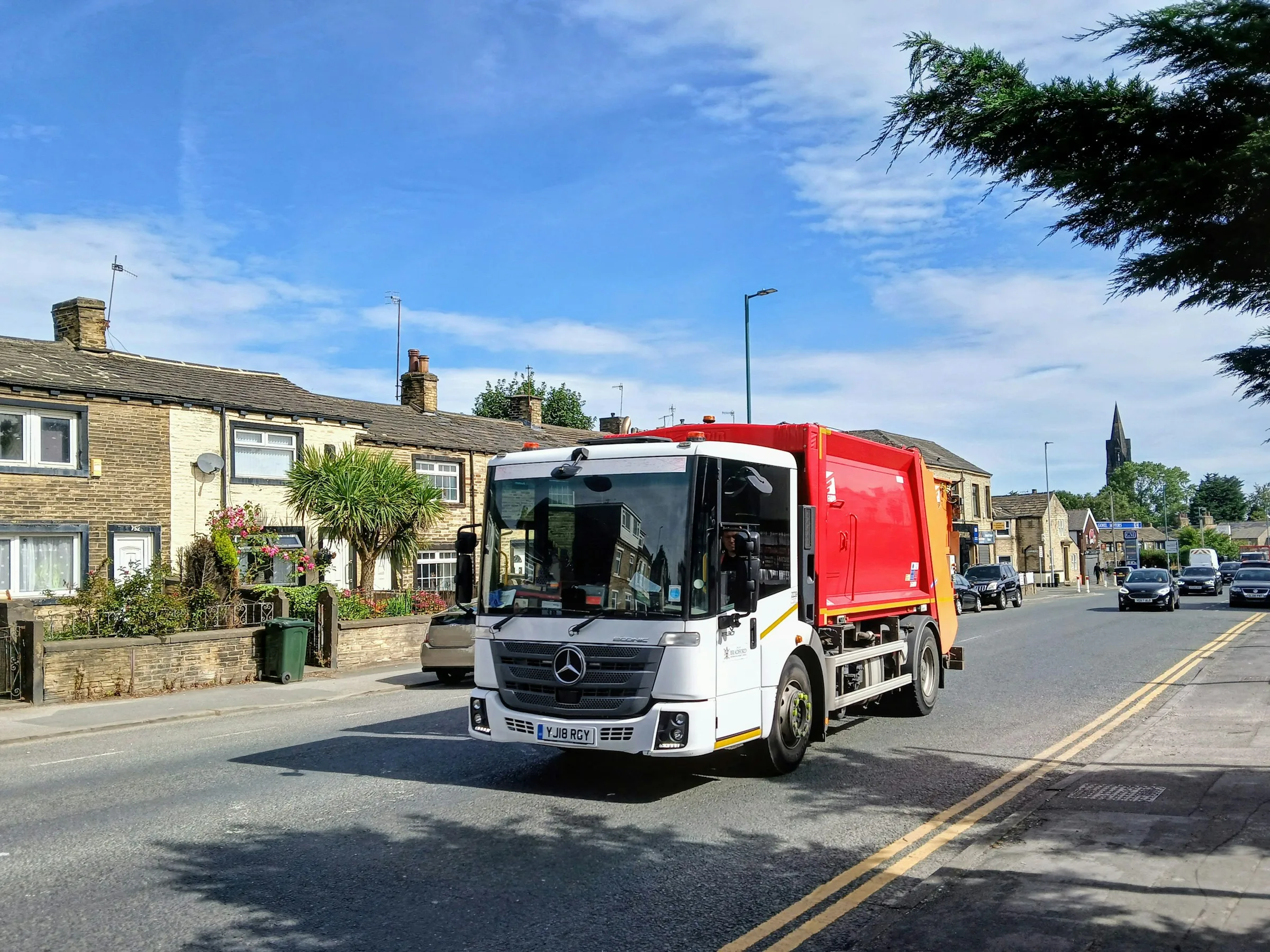
Loading shovels, material handlers and refuse vehicles work around combustible material. Suppression is one part of their fire protection; cleaning and vehicle maintenance still matter. Centurion can arrange specialist work around the machines and hazards on your site.

  • Material around the engineInclude dust and debris build-up in the assessment alongside fuel, oil and hot surfaces.
  • Changes to the machineTell the specialist about repairs or modifications that may affect detector or nozzle coverage.
  • Portable extinguishersConsider portable equipment and operator training alongside the fixed system.

Mixed fleets and existing equipment

Different machines may have different systems, service intervals and records. Bring the details together before booking work. We’ll help you establish the specialist support needed, keeping Centurion as your contact for the enquiry.

  • A useful fleet listInclude each machine’s location, system make and last service date where these are known.
  • Faults and dischargesFlag warning indications, damage or a recent discharge when you first contact us.
  • Service accessIdentify which vehicles are available together and which need separate visits.

Check what the approval actually covers

A certificate needs to match the system and its application. FM 5970 concerns protection systems for heavy-duty mobile equipment; UN R107 includes fire suppression requirements for relevant buses and coaches. Neither is a company-wide badge covering every job.

  • The hazards and areas included in the design
  • The selected system’s approval and installation limits
  • Any vehicle-maker or insurer conditions
  • Installation records, operating instructions and service schedule

Suppression does not replace fire prevention

Keep up the vehicle manufacturer’s cleaning and maintenance programme. Operators also need to know the system’s warnings and what to do under your emergency procedures.

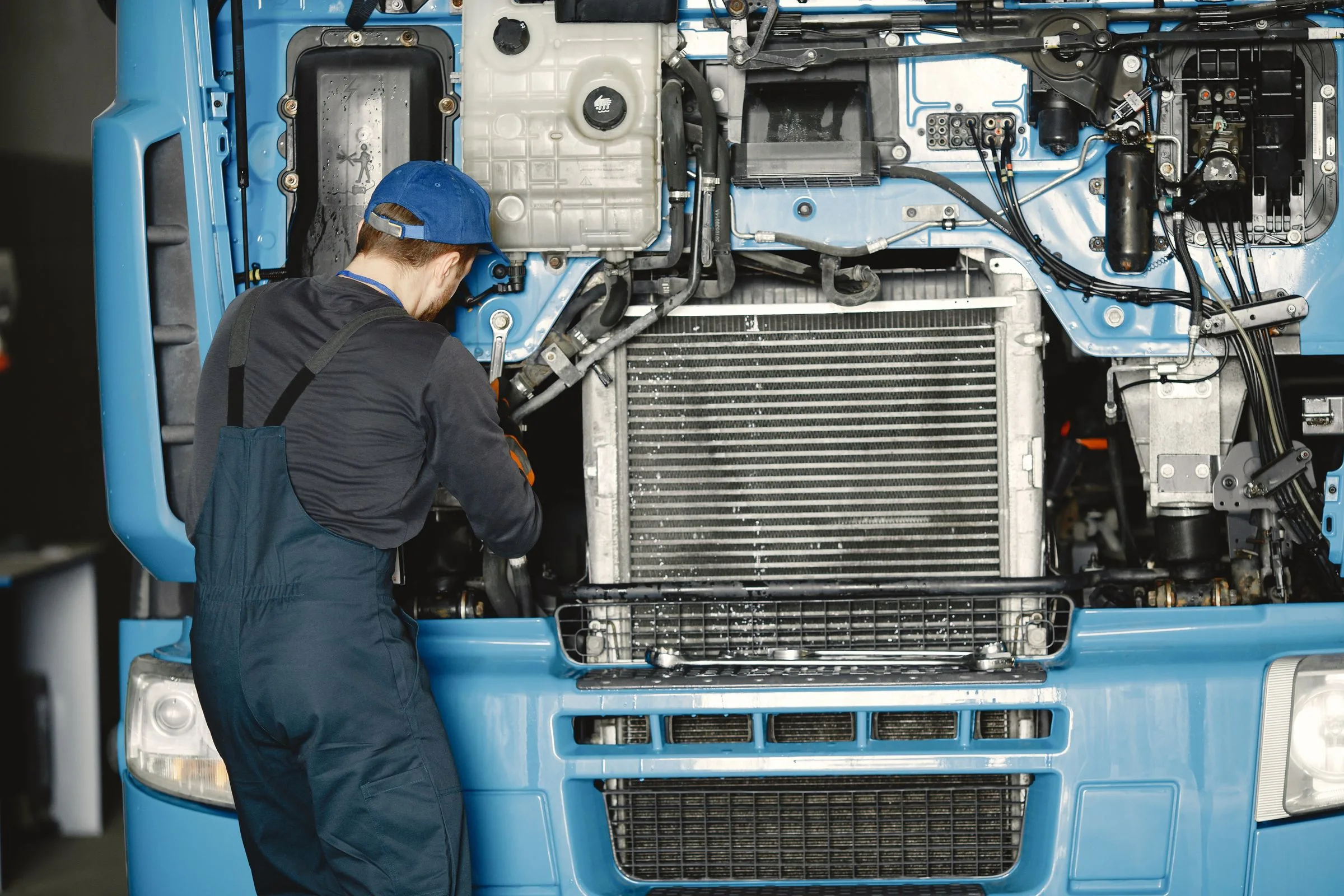
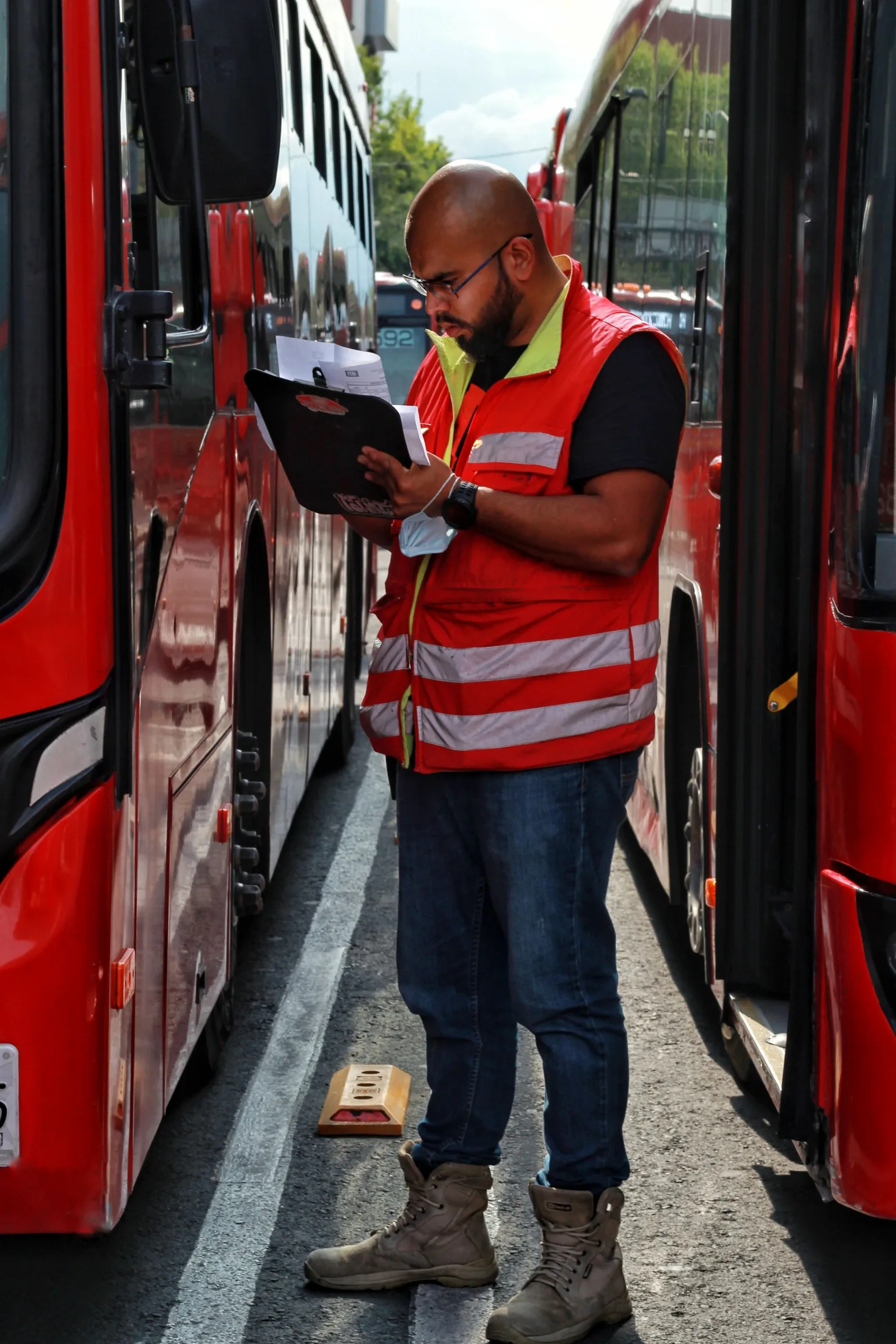
Worker with a clipboard beside a bus

Arranging vehicle fire suppression installation

Start with your vehicle list and the reason for the work. We’ll arrange specialist assessment and installation, with the details agreed before a machine is taken out of use.

  1. Before the proposal

    Review the vehicles

    The specialist reviews the vehicles, existing systems and operating conditions, including any insurer or manufacturer specifications.

    You get: Identified hazards and proposed coverage

  2. Before work starts

    Agree the installation

    Confirm the equipment, protected areas, access and timing. The quotation sets out the work so you can plan vehicle availability.

    You get: System proposal and quotation

  3. At installation

    Fit, test and hand over

    The specialist fits and tests the system, explains its operation and provides installation records and instructions for ongoing use.

    You get: Installation certificate, instructions and operator briefing

  4. To the manufacturer’s schedule

    Vehicle fire suppression maintenance

    Arrange servicing to the installed system’s instructions. Keep a record for each vehicle, report faults promptly and request a review after modifications that could affect the protection.

    You get: Service records, faults and recommended work

Questions about vehicle fire suppression

What is a vehicle fire suppression system?

It is a fixed system that detects a fire and releases extinguishing agent into the areas it was designed to protect. On vehicles this often includes the engine bay and associated machinery, with a warning for the operator. Coverage is specific to the design; fitting a system does not mean every part of the vehicle is protected.

Can a system be fitted to vehicles we already operate?

An existing vehicle can be assessed for a retrofit. The specialist needs to check the hazards, installation space and connections, as well as the vehicle manufacturer’s instructions. Share the model and any existing suppression records so the proposal can address what is already there.

Is fire suppression required on every bus or item of plant?

Requirements depend on the vehicle and its use. UN R107 is a vehicle type-approval regulation with provisions for bus and coach fire suppression; it is not a blanket instruction to retrofit every older vehicle. Your vehicle manufacturer, insurer or customer may also specify protection. Send us those details so the specialist can check the proposed system against them.

How often does the system need servicing?

Follow the maintenance schedule for the particular system fitted. Some vehicle systems specify six-monthly specialist maintenance, alongside routine operator checks. The manufacturer’s instructions establish the interval and work needed; an annual vehicle service should not be assumed to cover the suppression equipment too.

Will it work when the engine is switched off?

That depends on the system’s power supply, controls and configuration. Some systems have their own supply or battery backup, but the operating time and conditions vary. If protection while parked is important, raise it during the assessment and have the proposal explain how it will be provided.

What happens after the system has discharged?

Its protection needs restoring by a competent specialist. Follow your emergency procedures and the vehicle and system manufacturers’ instructions. A reset alone does not replace discharged agent or damaged components. Tell us what happened and which system is fitted so the required inspection and recharge work can be established.

How much does vehicle fire suppression installation cost?

The vehicle, number of protected areas, chosen system and any control connections affect the price. Fitting several identical machines is a different job from reviewing a mixed fleet with existing equipment. Send your vehicle list, locations and any required approvals; we’ll arrange the assessment needed for a quotation.