


What is a fire suppression system?
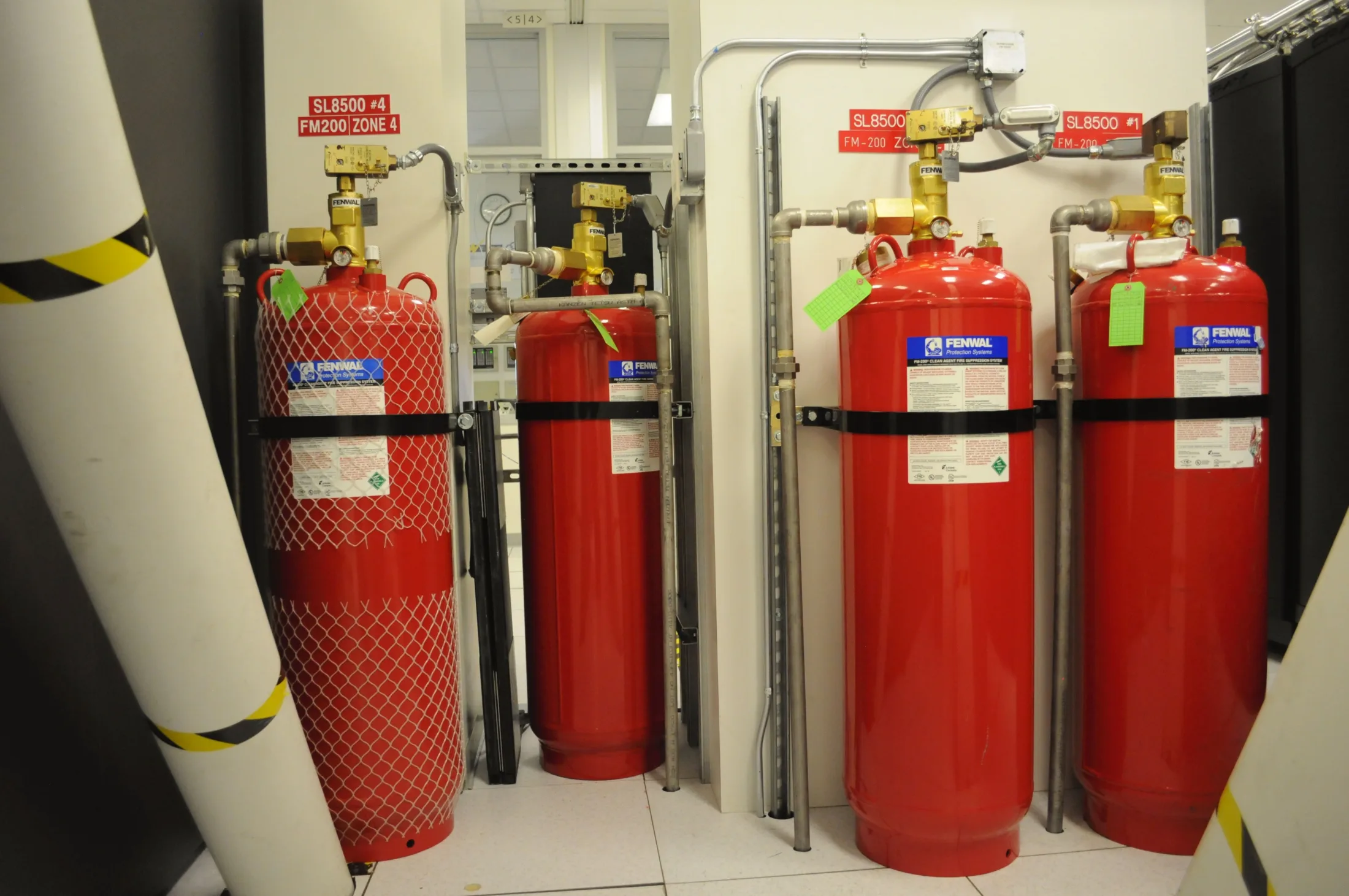
A fire suppression system releases an extinguishing agent to control or put out a fire. An automatic fire suppression system uses detection to trigger the release into the protected area. The agent and discharge arrangement depend on the hazard; some systems also have a manual release or connections to shut down equipment.
Which type of fire suppression system do I need?
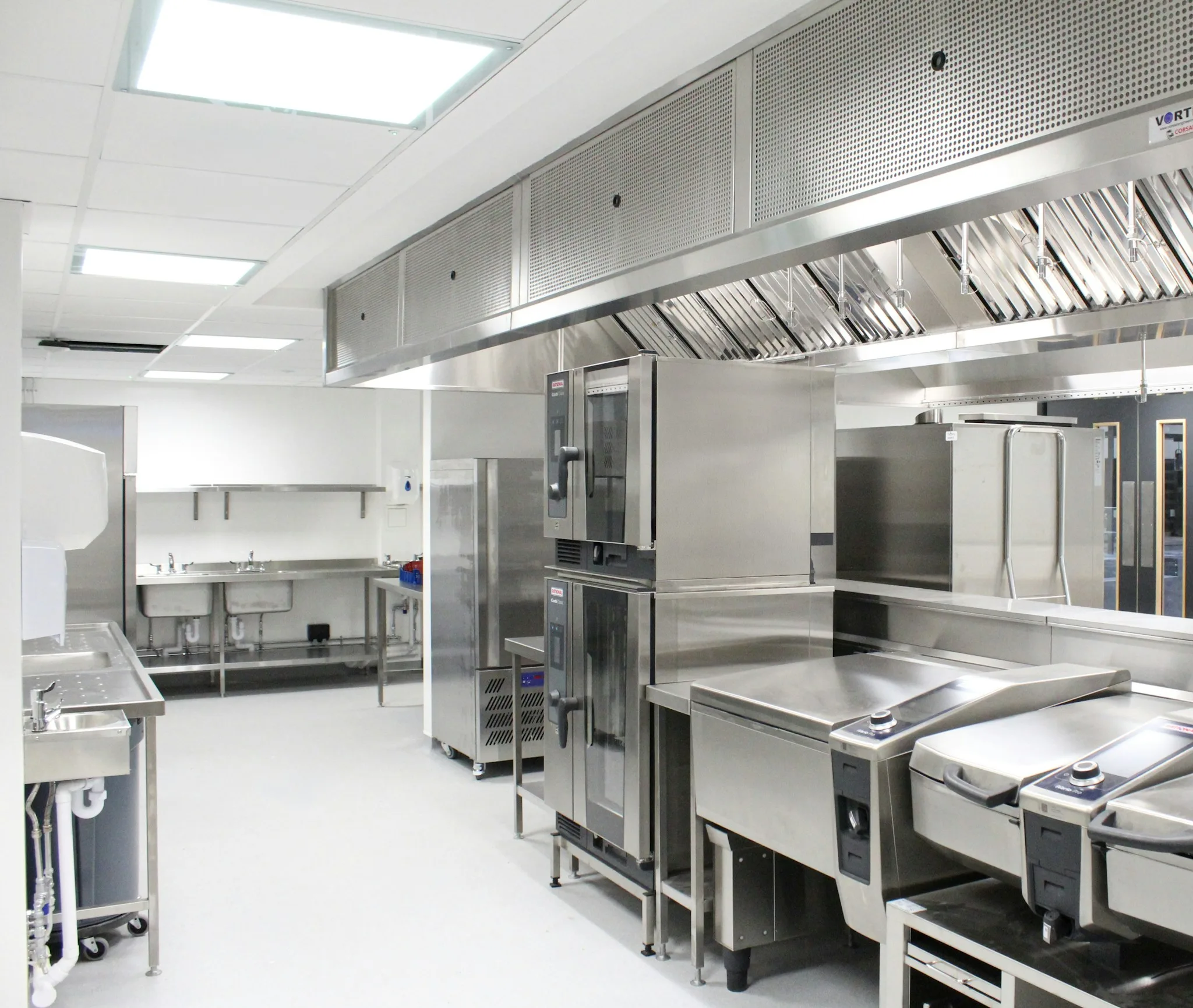
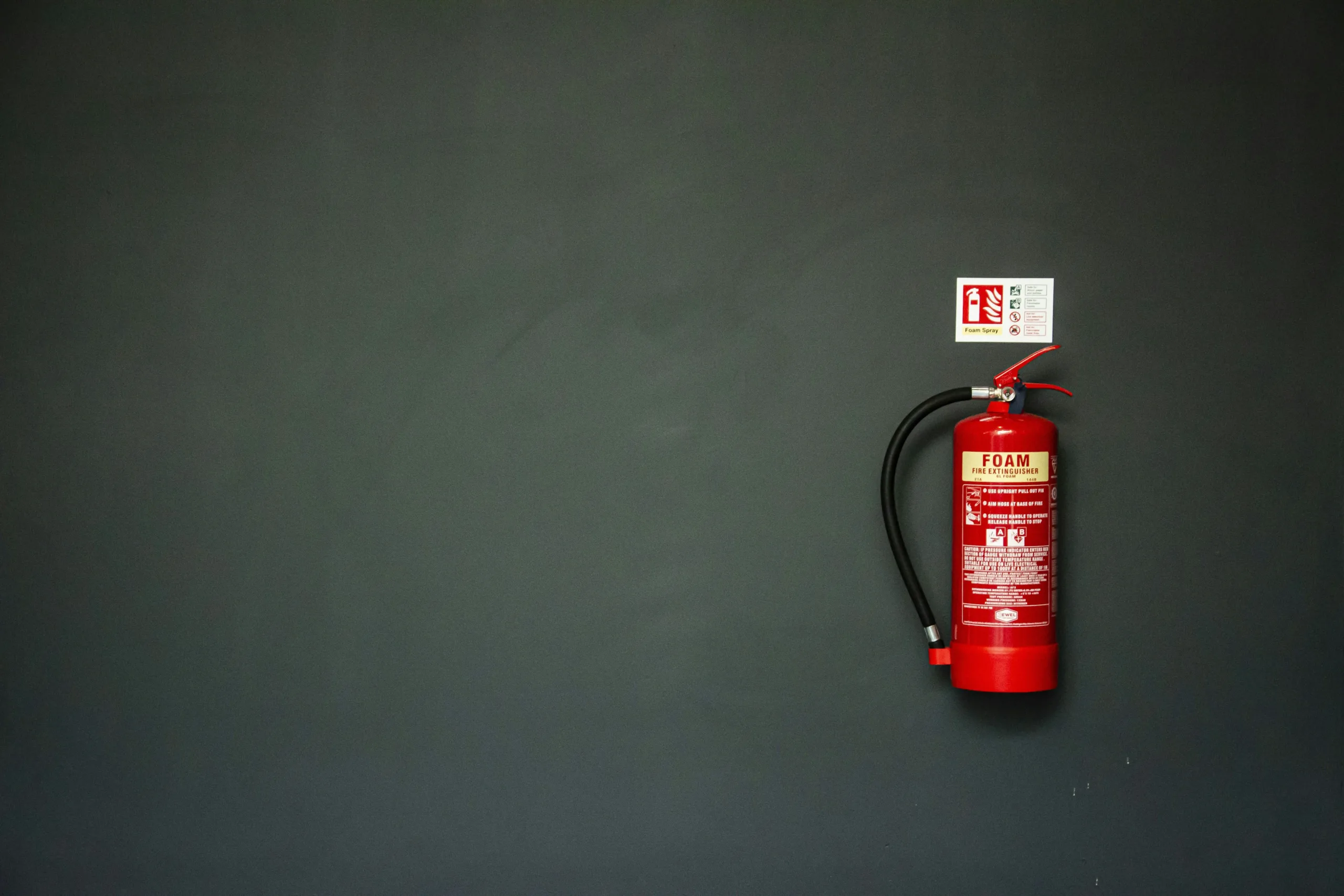
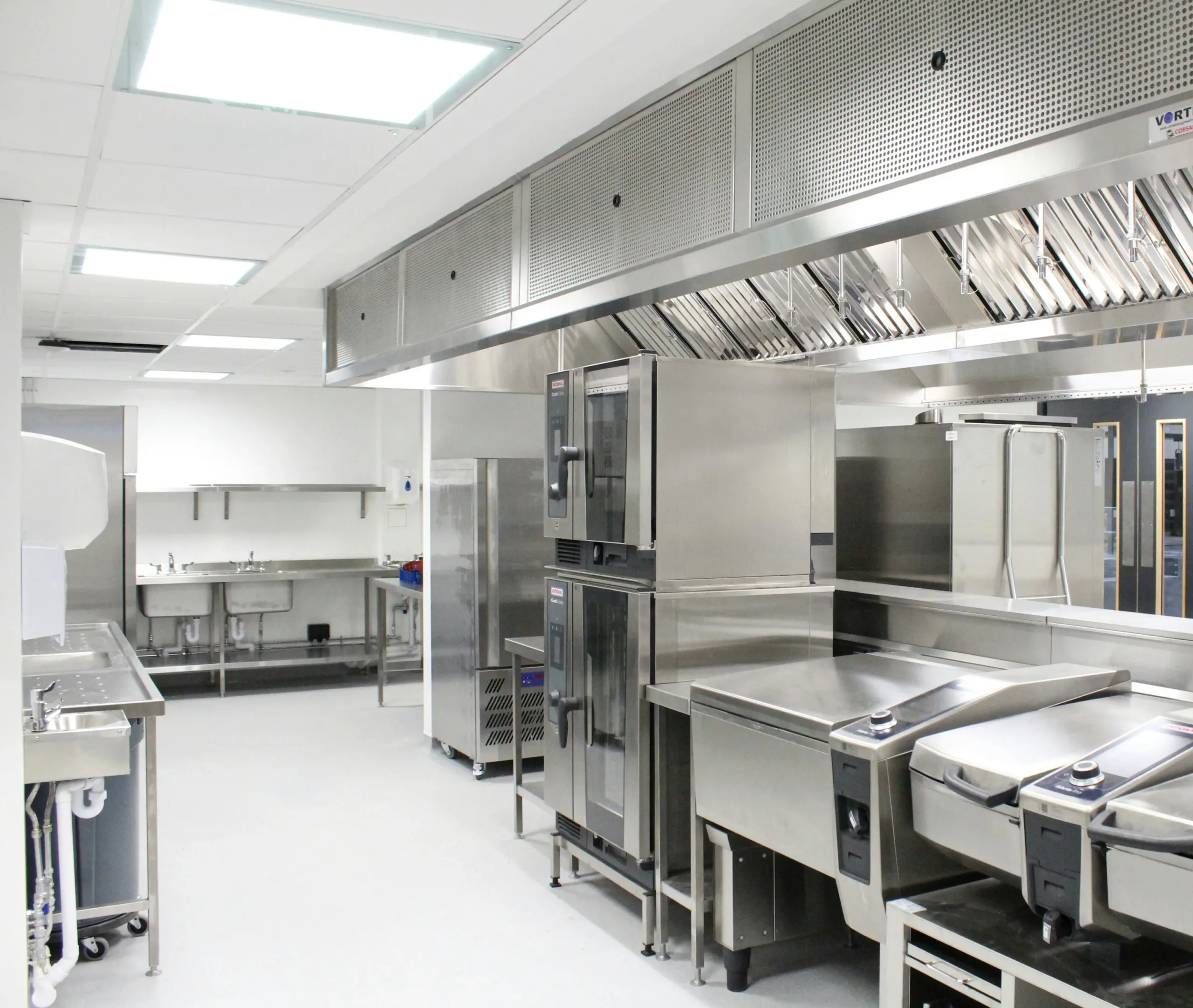
Start with the fire risk and the equipment or space being protected. Kitchen systems, gas systems and vehicle systems serve different purposes; portable extinguishers are operated by a person. The relevant service page explains the options, while a specialist assessment establishes which system is suitable for your site.
Is a fire suppression system a legal requirement?
There is no single requirement to install the same suppression system in every workplace. In England and Wales, the responsible person must assess fire risks and provide and maintain appropriate fire safety measures. The equipment needed depends on the premises and risks. Check the building's specific requirements and any insurer conditions before choosing a system.
How much do fire suppression systems cost?
The price depends on the type of system, the area or equipment protected, and the detection and controls it needs. Access for installation and any changes to existing equipment also affect the work. A site assessment provides the information needed for a quotation.
How often is fire suppression maintenance needed?
The maintenance schedule depends on the system, its manufacturer's instructions and the applicable standards. Routine checks and specialist servicing are different tasks. Keep the system's records available and ask the specialist to confirm the checks, service visits and records required for your installation.