

Skip to content
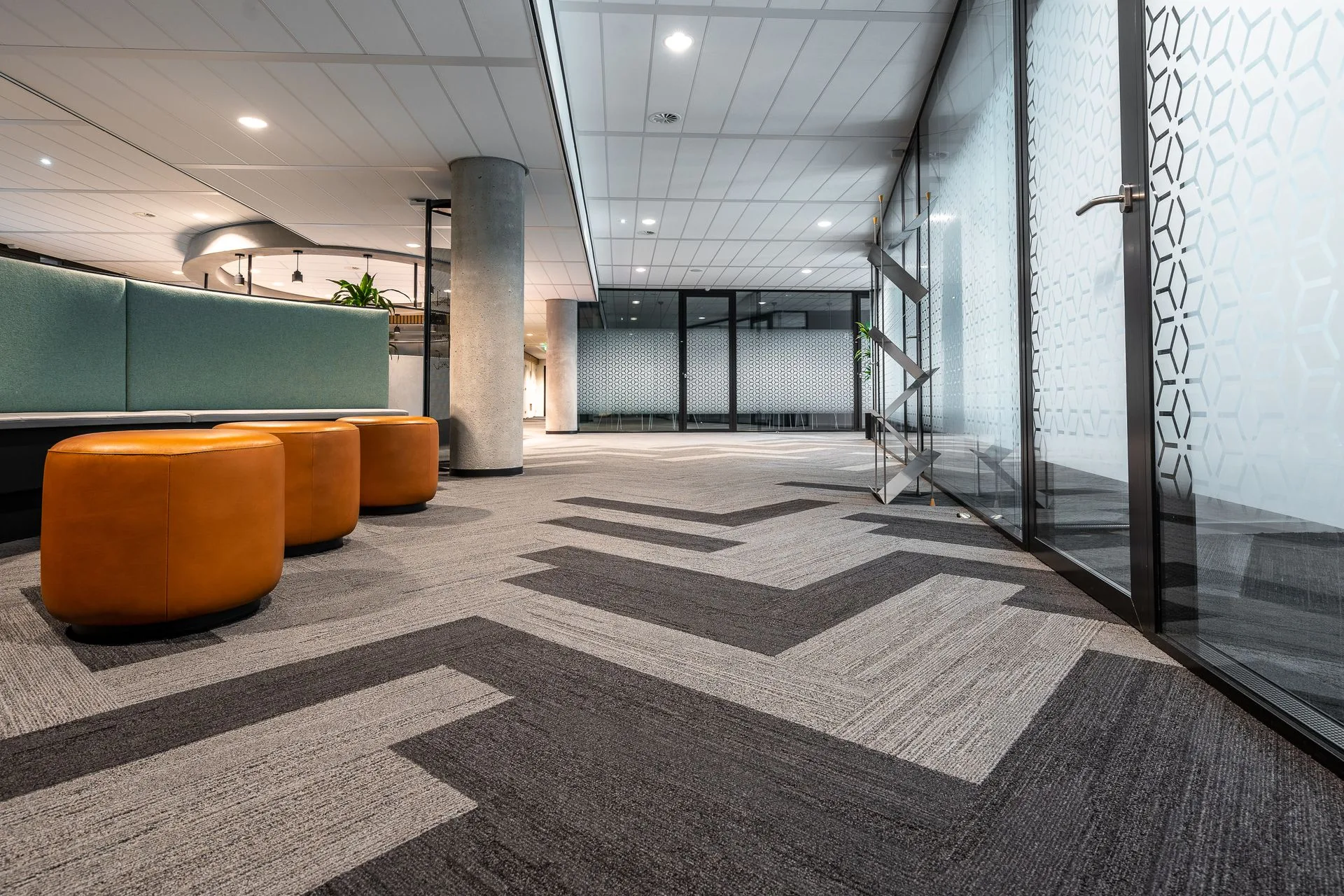
Woman reviewing papers in a bright office corridor with glazed partitions

Fire risk assessment services

Centurion arranges fire risk assessments for workplaces, blocks of flats and HMOs. You receive a written report with photographs and a prioritised action plan, so you can see what needs attention and plan the work ahead.

What your fire risk assessment gives you

The assessment looks at fire hazards, the people at risk and the precautions already in place. It considers how you manage the building as well as its layout and equipment.

  • A visit to your premises

    The assessor examines the building and available records, looking at the hazards, escape arrangements and existing fire precautions. Tell us about areas with restricted access before the visit.

  • A report you can refer to

    You receive written findings with photographs to help explain the issues identified. The report gives the people managing the premises a record to refer to when planning improvements.

  • Priorities for the work ahead

    The action plan ranks recommendations by risk and gives suggested timescales. It may call for repairs, further investigation or changes to everyday tasks such as storage and staff training.

Fire safety in the buildings you manage

Offices, shops and workplaces

A commercial fire risk assessment needs to reflect what happens on site. Deliveries, stock and contractors can affect escape routes and fire precautions. Share any changes to the layout or working practices, along with your current assessment.

  • People using the buildingInclude staff, visitors and contractors, especially people who may need help to leave.
  • Shared premisesExplain which areas you control and how fire safety is coordinated with your landlord and other occupiers.
  • Records to have readyBring alarm and lighting service records, your emergency plan and records of staff training.

Blocks of flats and HMOs

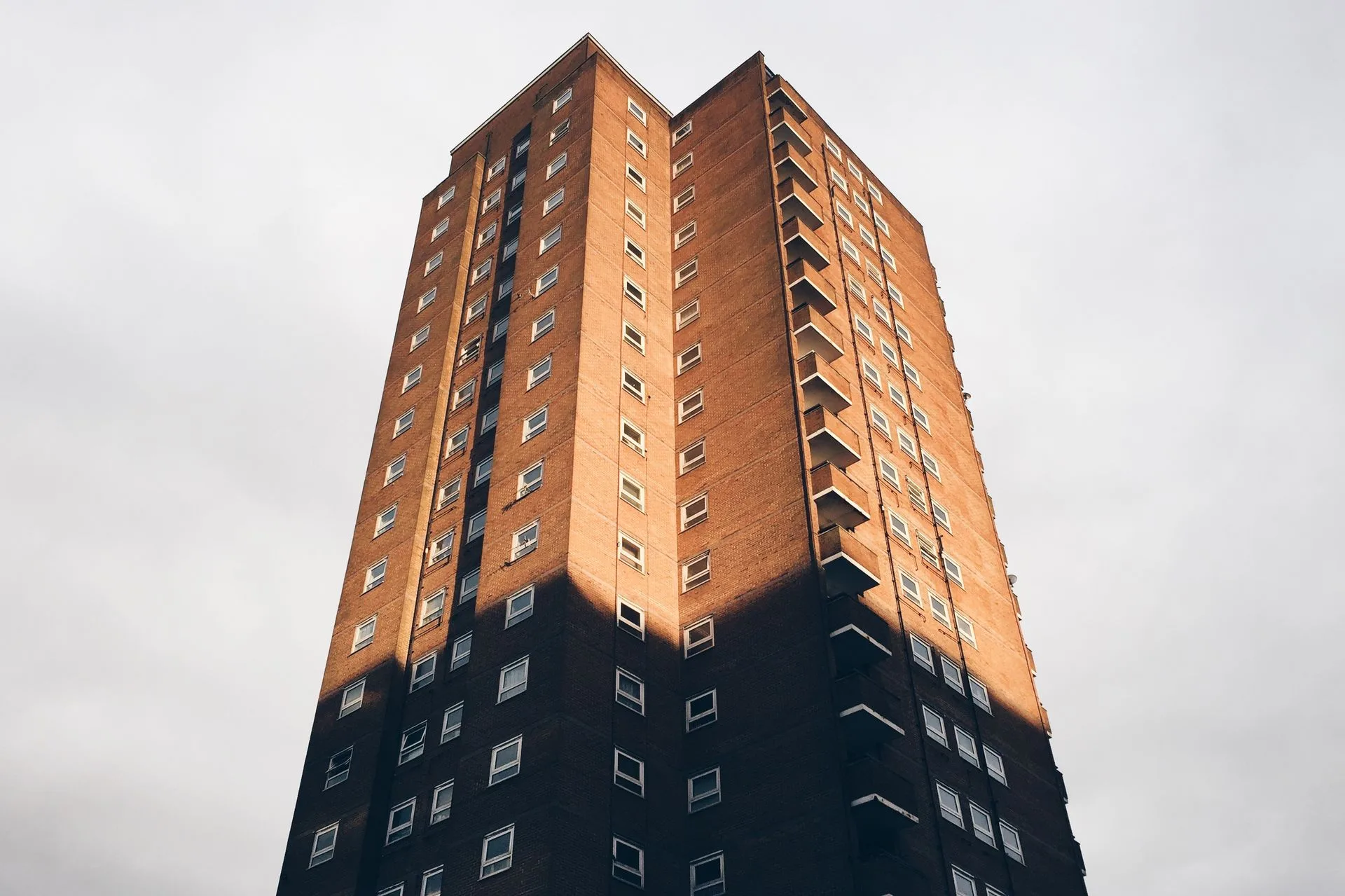
For an HMO fire risk assessment, tell us about shared facilities, occupancy and access. In a block of flats, the assessor needs information about communal areas, flat entrance doors, the structure and external walls. Explain any changes or concerns about the building.

  • Access to homes and shared areasConfirm the areas to be assessed and how access will be arranged, including any homes that need to be entered.
  • Further checksThe findings may identify a need for a separate fire door, compartmentation or external wall investigation.
  • Keeping residents informedConsider how relevant findings and fire safety measures will be explained to residents.

Care premises and schools

People may depend on staff to help them leave safely. In care premises, explain how support changes between day and night. Fire risk assessments for schools should also consider clubs, visitors and other use outside teaching hours. Share the evacuation plans and staffing arrangements.

  • People who need assistanceExplain how people who cannot leave unaided are supported, including at times when fewer staff are present.
  • Different uses of the siteIdentify sleeping accommodation, kitchens and rooms used by outside groups so their use can be considered.
  • Plans and practiceMake staff training records and drill findings available alongside your evacuation plans.

Put the findings to work

In England, the responsible person must record the fire risk assessment in full and keep it under review. The report helps you plan improvements; appointing an assessor does not transfer your responsibility for managing fire safety.

  • Keep the full assessment and fire safety arrangements on record
  • Give each action an owner and record the work completed
  • Review regularly and after significant changes
  • Share relevant information with other responsible persons

Keep the report with your fire safety records

Store the assessment alongside service reports, training records and your emergency plan. Keep a record of completed actions so the next review can take account of what has changed.

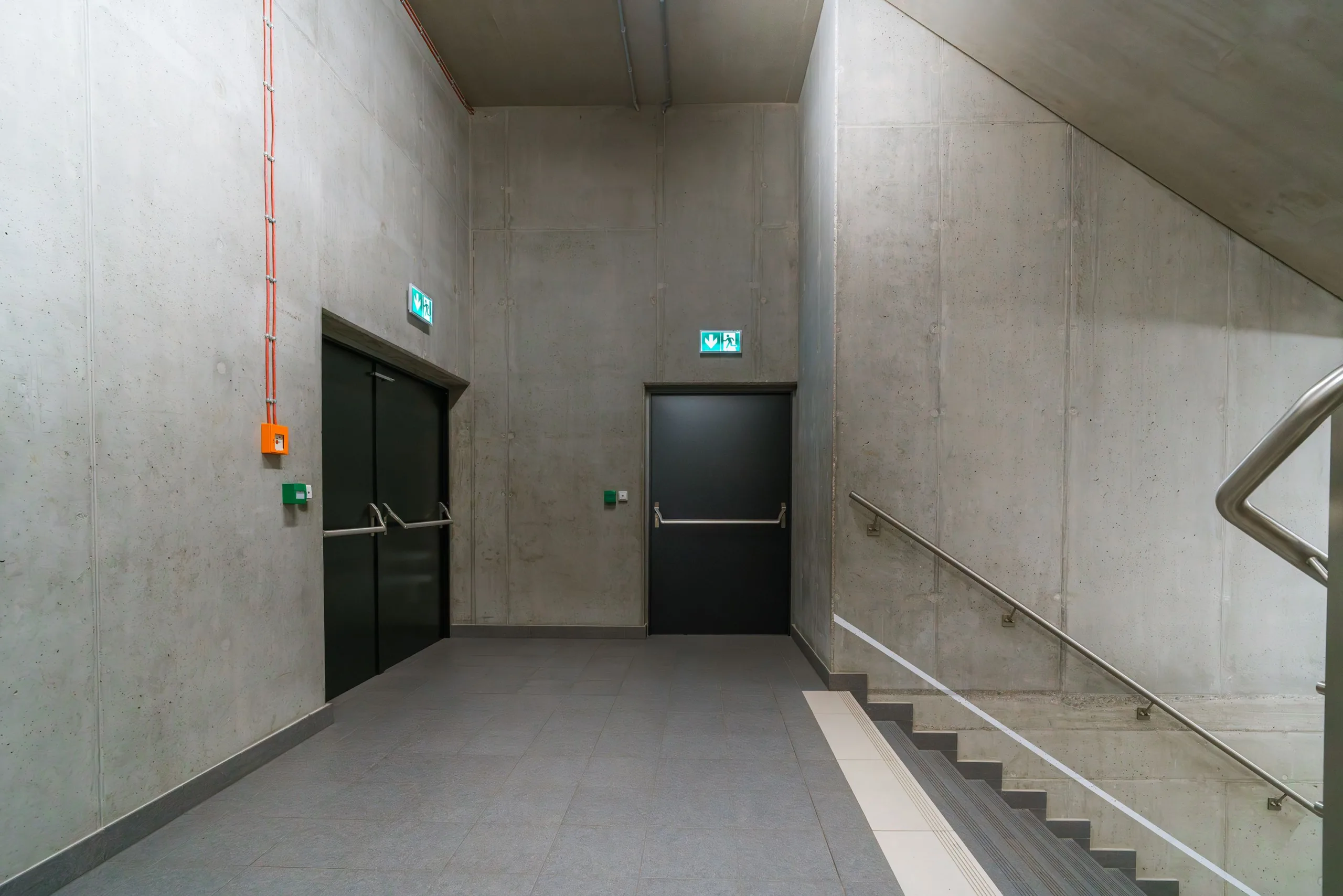
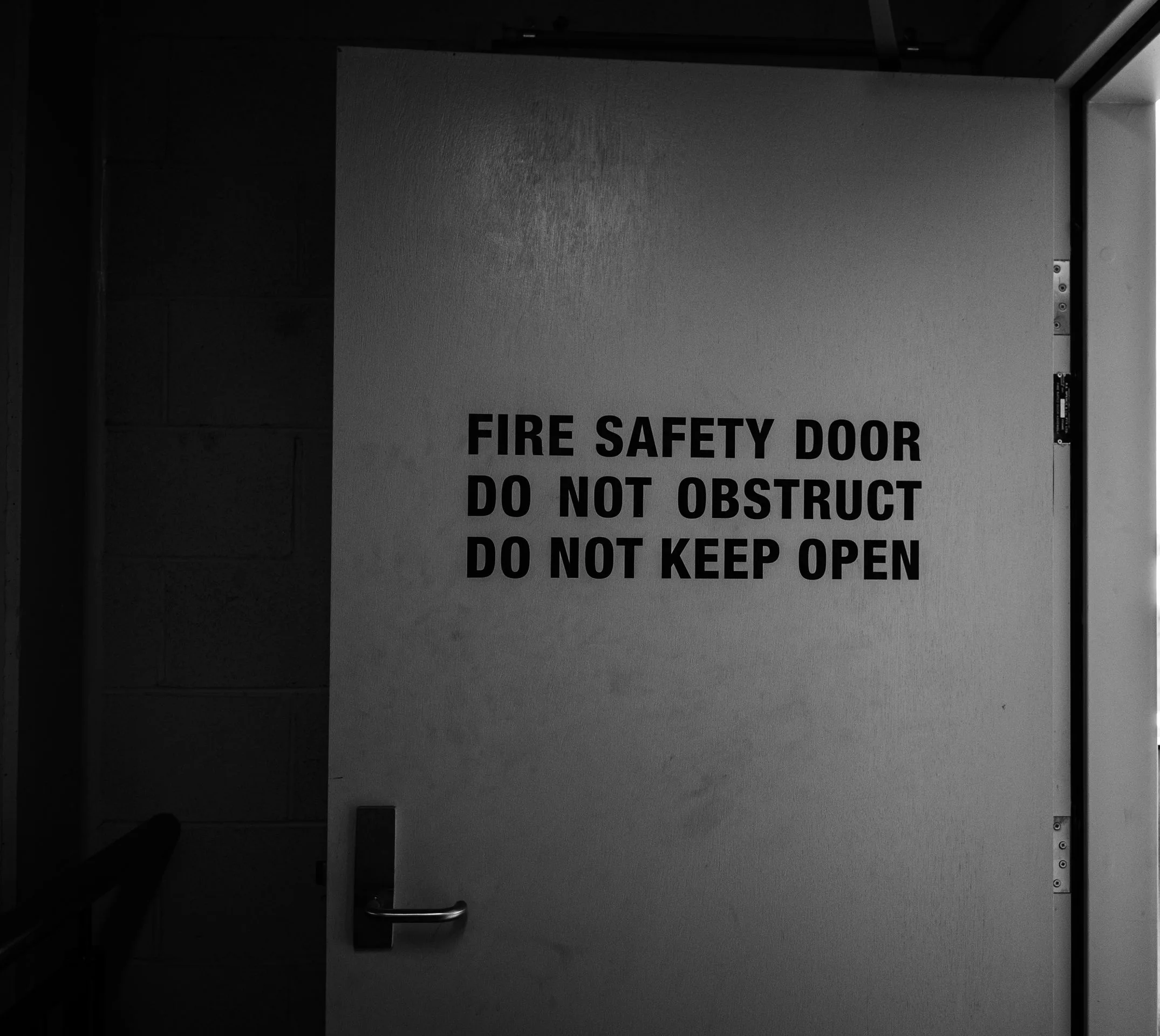
A fire door in a stairwell, signed "Fire safety door, do not obstruct, do not keep open", in black and white

Arranging your assessment through Centurion

Send us your previous report if you have one, including outstanding actions. If you manage several properties, include a list of the sites so we can discuss the assessments together.

  1. Before booking

    Tell us about the building

    Share the address, building use and previous report. We’ll arrange the assessment and confirm the areas covered, access and quotation.

    You get: An assessment scope and quotation

  2. At your premises

    The assessment visit

    The assessor visits the premises, reviews the available records and considers how the building is used and managed.

    You get: A review of the premises and available records

  3. After the assessment

    Receive your report

    You receive the findings and prioritised action plan. We can discuss any further surveys or remedial work separately.

    You get: Written findings, photographs and an action plan

  4. At review or when things change

    Review as the building changes

    A new layout, different activities or changes in occupancy can affect fire safety. Keep the assessment under regular review and seek advice when changes could make its findings out of date.

    You get: Advice on reviewing the assessment and outstanding actions

Questions about fire risk assessments

How much does a fire risk assessment cost?

The size and use of the building, the areas to be assessed and the access needed all affect the price. A small office and a block of flats involve different preparation and site work. Send us the address, a description of the premises and any previous report so we can arrange a quotation. Further surveys and remedial work are quoted separately.

How often should a fire risk assessment be reviewed?

There is no single annual renewal date set by the Fire Safety Order in England. It requires regular review and a review if there is reason to think the assessment is no longer valid or there has been a significant change. Ask the assessor to recommend a review interval for your building. Changes to layout, activities or the people at risk may mean a review is needed sooner.

Who can carry out a fire risk assessment?

You can carry it out yourself if you have the knowledge and experience needed for the premises and their risks. Otherwise, use a competent specialist. When comparing fire risk assessors, ask about experience with your building type and how their competence is checked. Centurion arranges the assessment and remains your contact; your duties as the responsible person continue.

Do small businesses need a written fire risk assessment?

Yes, for premises covered by the Fire Safety Order in England, the responsible person must record the assessment in full, however few people they employ. The previous five-employee recording threshold was removed in October 2023. Your fire safety arrangements must also be recorded.

Does an assessment of flats cover inside each home?

Not automatically. In England, the Fire Safety Order covers common parts and, in buildings containing two or more domestic premises, the structure, external walls and doors between homes and common parts. A visit without opening up construction cannot establish the condition of every concealed detail. Access inside homes and any further investigation need to be discussed before booking.

Can Centurion help with work identified in the report?

Yes. We can discuss fire door work, compartmentation surveys, fire alarms and emergency lighting where the findings call for them. Some issues need further investigation before repairs can be specified. Those services are arranged separately, so you can see what the assessment includes and what any follow-on work will involve.