
Skip to content
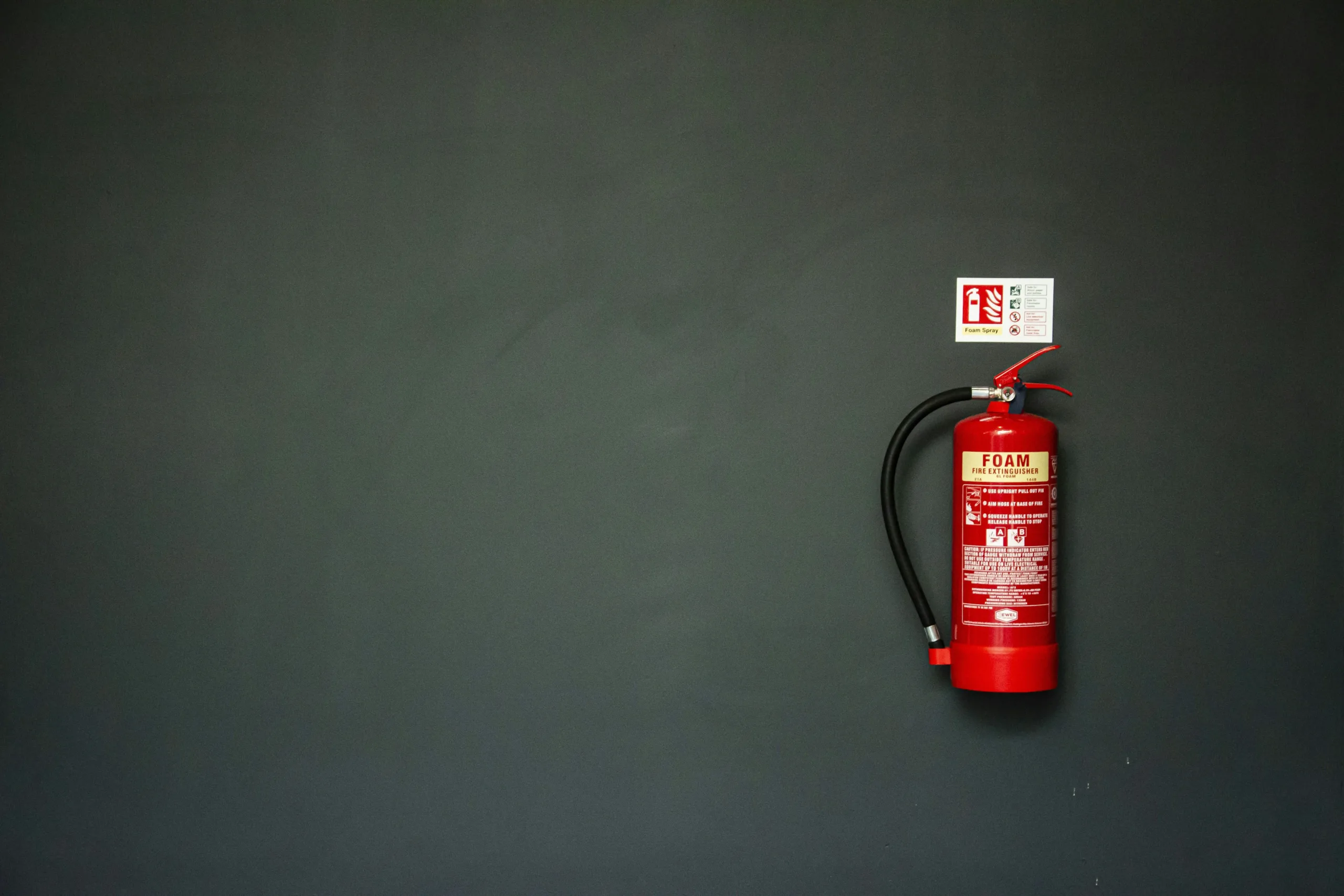
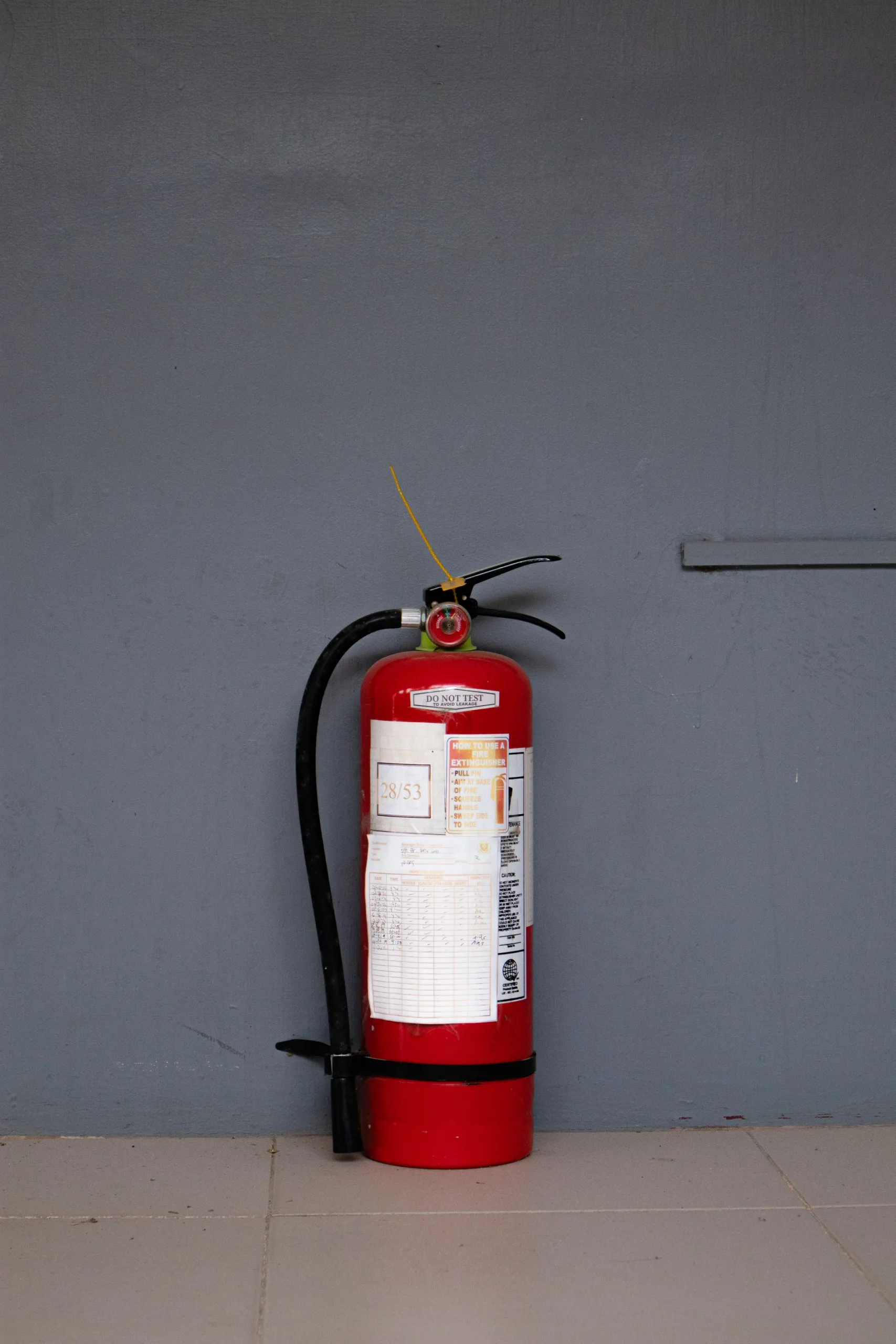
Red foam fire extinguisher with its sign on a dark wall (full-size original of today's photo)

Fire extinguisher servicing and supply

Centurion arranges fire extinguisher servicing and new installations for business premises. We can help with an annual service, replacement units or equipment for a new building, including fire blankets and signs. Tell us what you have and what needs doing.

Looking after your extinguishers

An annual visit checks the equipment you have and identifies work that’s due. If you’re fitting out new premises, the starting point is choosing extinguishers for the risks in each area.

  • Fire extinguisher servicing

    A competent technician checks the extinguishers and the maintenance each one needs. The service record sets out work completed, faults found and any units needing further attention, such as an extended service or replacement.

  • Supply and installation

    Fire extinguisher installation includes selecting the types and ratings for your premises, deciding where they belong and commissioning them on site. Brackets or stands and identification signs make each fire point clear and accessible.

  • Fire blankets and signs

    We can arrange fire blankets and signs alongside your extinguishers. Include these in your enquiry if you’re fitting out a kitchen, setting up new fire points or replacing missing or damaged equipment.

Servicing, fit-outs and changes to your building

Your service is due

The last service report is a useful starting point: it shows what’s installed and any outstanding work. Tell us if equipment has been used, moved or damaged since then. The technician will need access to every extinguisher, including units in locked rooms and separate buildings.

  • Service historyRecords help identify when an extended service or overhaul is due.
  • Access to each unitTell us about locked rooms, opening hours and anyone who needs to provide access.
  • Work beyond the basic serviceThe condition and service history determine whether further maintenance or replacement is needed.

A new building or fit-out

Share the fire risk assessment and floor plans while the layout is being agreed. An office, stockroom and cooking area may need different extinguisher types. Planning their positions before opening helps you allow space for fire points and keep them easy to reach.

  • The risks in each areaExplain what will be stored or used in each room so the equipment can be selected for the hazards.
  • Clear positions and signsExtinguishers need visible, accessible positions that don’t obstruct escape routes.
  • Commissioning on siteNew units need checks at the premises before they are put into use, including equipment bought online.

Often paired with

A change of use or equipment

A new kitchen, different stock or a change of tenant can alter the fire risks without changing the size of the building. Extinguisher provision needs reviewing alongside those changes. Send us the updated plans or assessment so we can discuss what needs to be moved, added or replaced.

  • New activities and hazardsCooking equipment or different stored materials may call for another type of extinguisher.
  • Altered layoutsPartitions, counters and shelving can hide fire points or make them difficult to reach.
  • Updated recordsKeep equipment records current and make sure staff know where the fire points are.

The right equipment, properly maintained

Your fire risk assessment helps establish the equipment your premises need. BS 5306-8 covers extinguisher selection and positioning; BS 5306-3 covers commissioning and maintenance. Keeping fire points accessible and following up service findings are part of looking after that equipment.

  • Extinguishers selected for the hazards in each area
  • Routine visual checks between service visits
  • Service records, with faults and further work followed up
  • Staff instruction that fits your fire procedures

If an extinguisher is used, damaged or missing

Report it promptly to the person responsible for fire safety and arrange replacement cover or remedial work. You don’t need to wait until the next annual service to ask for help.

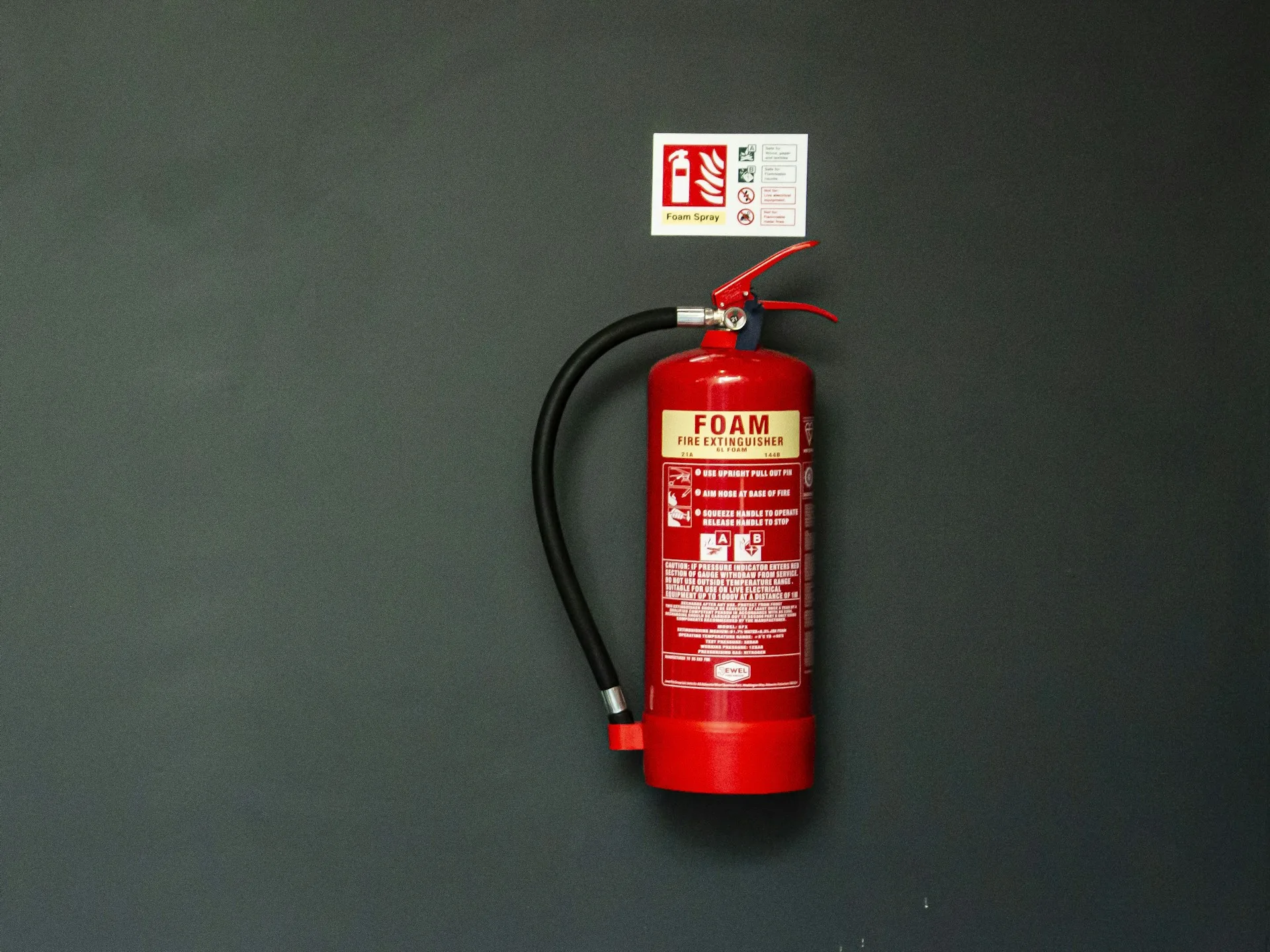
Wall-mounted foam extinguisher with its hose, handle and identification sign

Arrange your extinguisher service

Centurion is your contact for the work. Start with the site address and your latest service report if you have one. For several premises, include each address so we can check the work needed at every site.

  1. With your enquiry

    Tell us what you have

    Send the number and types of extinguishers and any recent records. If you’re unsure of a unit’s details, a photo of its label can help.

    You get: Equipment and site details to plan the work

  2. Before work starts

    Agree the work and visit

    We’ll discuss access, the work needed and the quotation. For new or changed premises, equipment selection may need a site assessment first.

    You get: A quotation and visit arrangements

  3. At your premises

    Service or install on site

    The technician carries out the service or installation and records the findings, including any equipment needing further work.

    You get: A record of the work and findings

  4. After the visit

    Keep track of the next service

    Keep the service record with your fire safety documents and follow up any work identified. The maintenance schedule should show when the next basic service is due and if an extended service or overhaul needs planning.

    You get: Service findings and next maintenance dates

Questions about fire extinguisher servicing

How often should fire extinguishers be serviced?

BS 5306-3 recommends a basic service at least annually by a competent person. Some extinguishers also need an extended service, recharge or overhaul, depending on their type and history. The technician should confirm the schedule for your equipment, taking account of the manufacturer’s instructions. Routine visual checks between visits are separate from this service.

Is annual fire extinguisher servicing a legal requirement?

In England and Wales, the Fire Safety Order requires suitable maintenance of relevant fire safety equipment where necessary to safeguard people. It does not set a universal annual interval: the basic-service recommendation comes from BS 5306-3. Scotland and Northern Ireland have separate fire safety legislation.

What does fire extinguisher servicing cost?

The number and types of extinguishers, their locations and the work due all affect the quotation. An extended service, recharge or replacement unit can add to the cost of a basic visit. Send your latest report so we can discuss what’s needed, and check which parts and work are included in the price.

Do new fire extinguishers need commissioning?

Yes. Commissioning means checking a new extinguisher on site to make sure it is fit for use before installation. Its type, rating and position also need to suit the premises. Receiving a new unit in a box does not complete those checks; allow for commissioning when planning an opening or fit-out.

Which extinguishers does my business need?

That depends on what could burn, the activities in each area and the building’s layout. Your fire risk assessment is the starting point. For example, an office and a commercial cooking area can need different equipment. We can arrange selection and supply around those findings, including suitable signs and fire blankets.

Can you service extinguishers fitted by another supplier?

Contact us with the equipment details and any service records. We’ll check what can be covered and what work is due before confirming the arrangement. Changing provider does not by itself mean replacing every extinguisher; the equipment’s type, condition and history matter.