
How does a kitchen fire suppression system work?
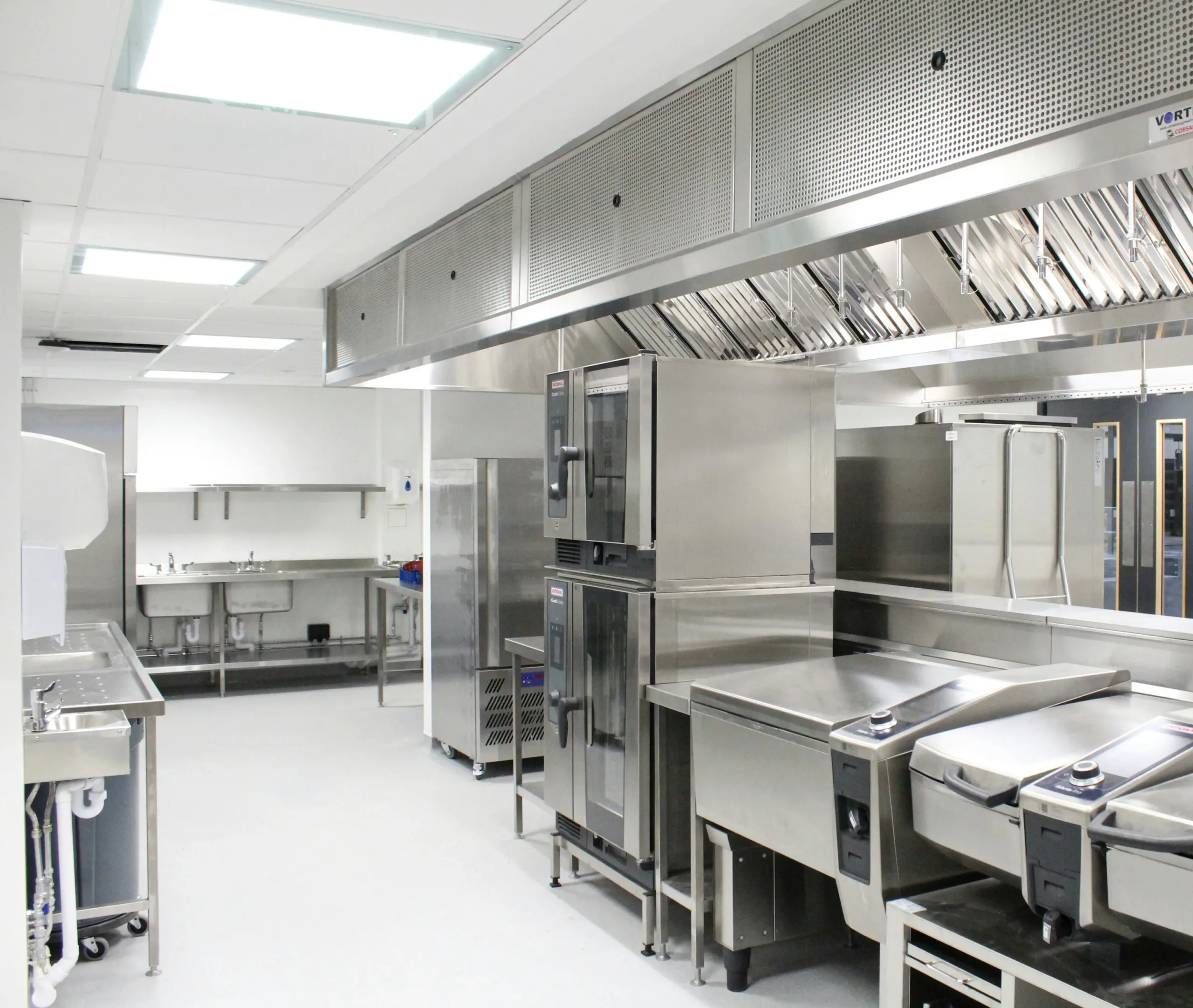
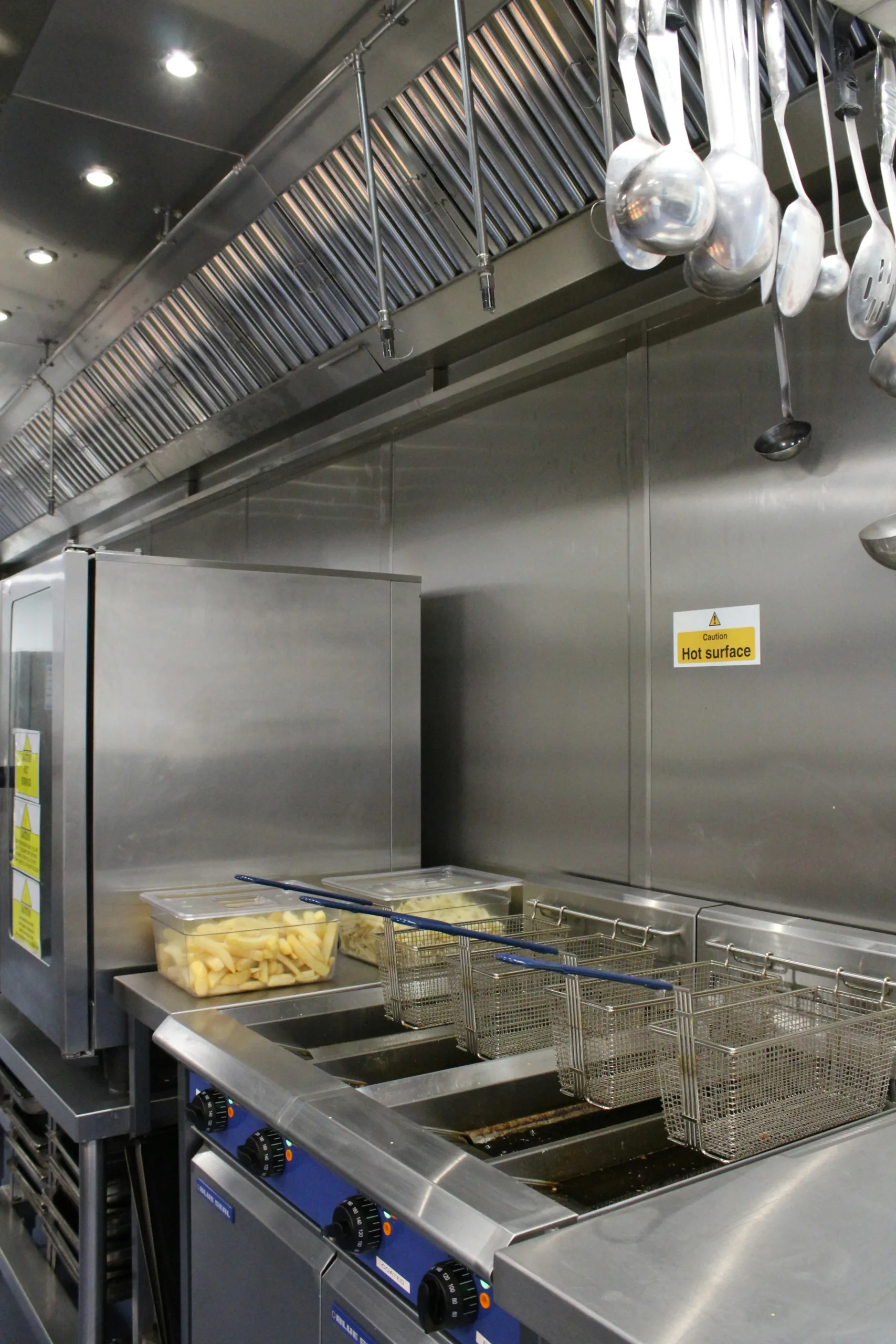
Heat detection triggers wet chemical discharge through fixed nozzles. The agent tackles burning cooking oil and helps prevent it reigniting, while the protected equipment’s heat source is shut down. The system also has a manual release. Which appliances and parts of the extraction system are protected depends on the design; it is not blanket cover for everything in the room.
Does every restaurant need kitchen fire suppression?
There is no single rule requiring the same system in every restaurant. In England and Wales, the Fire Safety Order requires appropriate fire-fighting measures based on the risks. Your fire risk assessment and insurer’s conditions help establish what is needed. Once fitted, the system needs appropriate maintenance. A small kitchen should not be assumed exempt simply because of its size.
Can you arrange Ansul servicing?
Yes, we can arrange support for existing Ansul R-102 systems. Send the system details and previous reports, including any discharge or change to the cooking equipment. This is an existing-system service enquiry; for a new installation, we’ll discuss the suitable system options after reviewing the kitchen.
How often should kitchen suppression be serviced?
Use the schedule for the actual system, together with any additional insurer conditions. Different manufacturers specify different tasks and intervals, so a general six-monthly or annual reminder may not tell the whole story. We’ll establish the service requirements from the equipment and its records, including any components due for replacement.
Can we move appliances beneath the canopy?
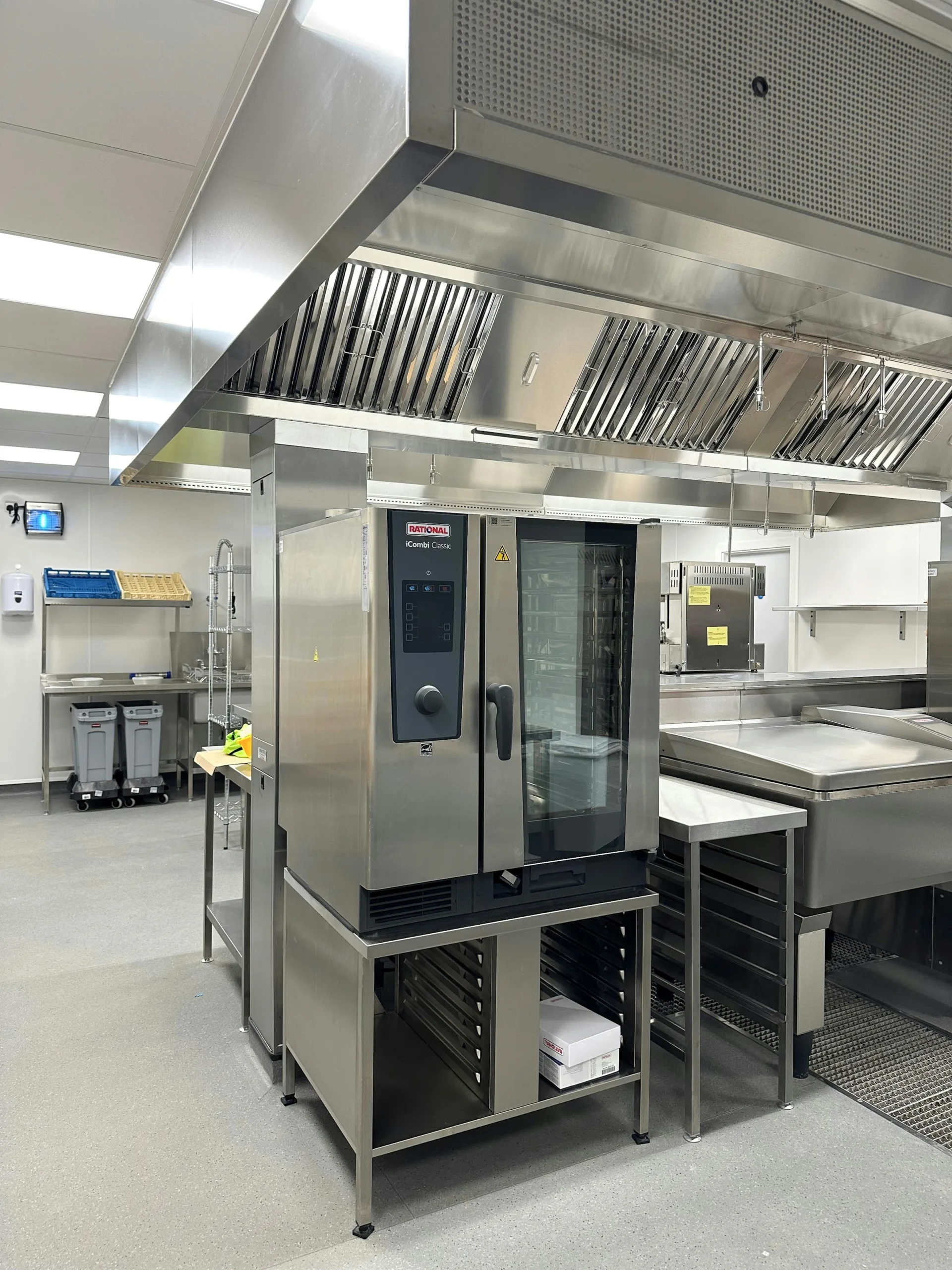
Have the proposed change checked first. A nozzle may have been positioned for one appliance in a particular place. Some systems allow more flexibility within a defined zone, but that does not mean any appliance can go anywhere. Tell us what you plan to move or replace so the specialist can review the protection before the altered cooking line is used.
What happens after the system discharges?
Follow your emergency procedures if there has been a fire. Keep the protected cooking equipment out of use while the suppression system is out of commission. Contact us to arrange specialist assessment, recharge and any repairs needed. Restoring suppression is only part of the return-to-use decision; the appliances, extraction and any fire damage also need appropriate checks.
What affects kitchen fire suppression system cost?
The appliance types and layout, canopy and duct arrangement, system capacity, connections and access all affect the quotation. A new fit-out may allow pipework and shutdown connections to be coordinated with other trades; an occupied kitchen may need work in stages. Send drawings and appliance details where available so the proposed work can be priced properly.
What do LPS 1223, UL 300 and BS EN 17446 mean?
LPS 1223 and UL 300 concern testing and approval of kitchen fire suppression equipment. BS EN 17446 covers commercial kitchen system design, documentation and test requirements; the current British edition is BS EN 17446:2021+A1:2024. These references do not by themselves certify the company carrying out the work. Check the proposed system, installer competence and any insurer requirements together.