












Skip to content
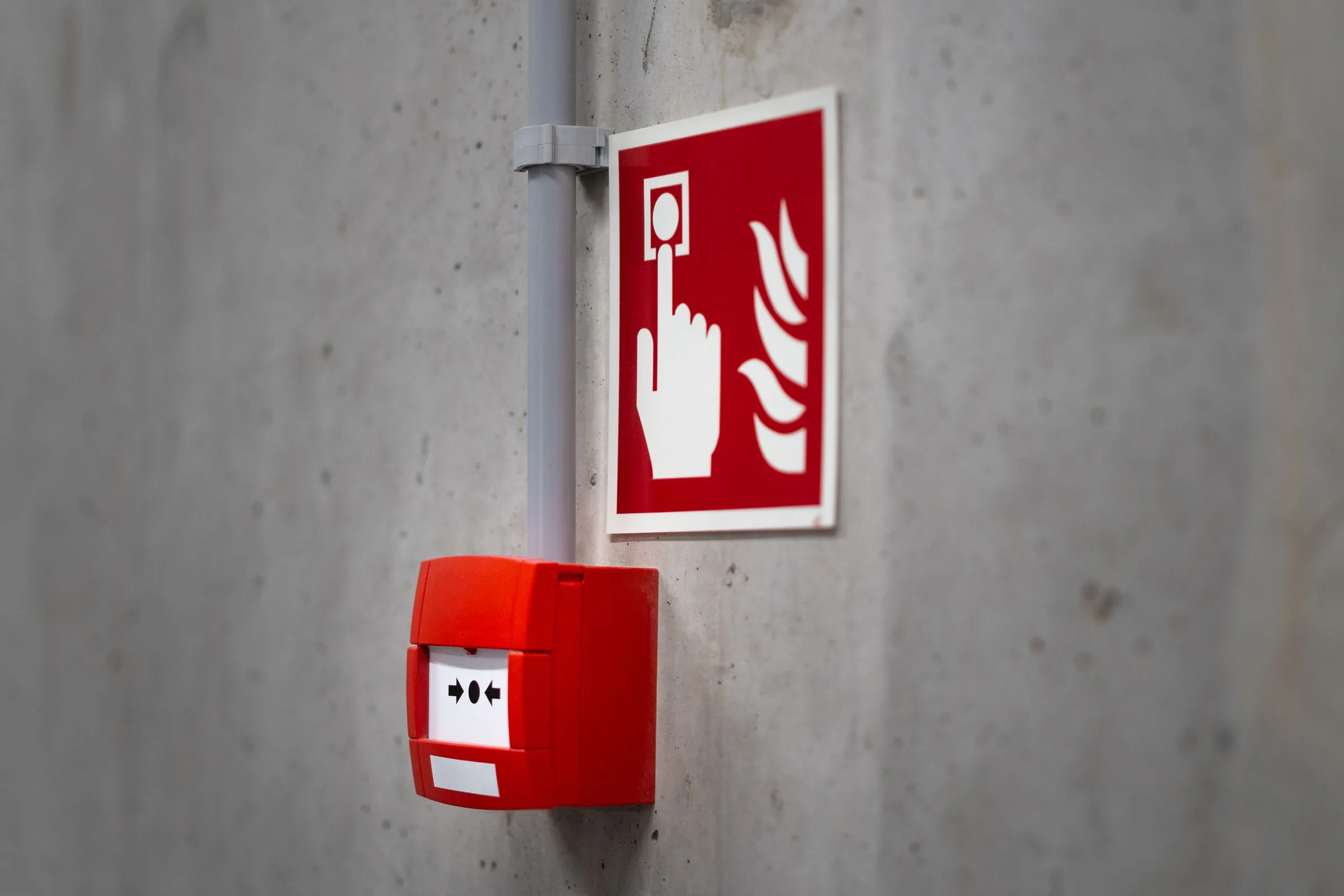
Red manual fire alarm call point and identification sign on a concrete wall

Commercial fire alarm installation

We design, install and maintain fire alarms for businesses across Yorkshire and the North of England. If you’re upgrading an existing system, we’ll help you work out what needs changing and what can stay.

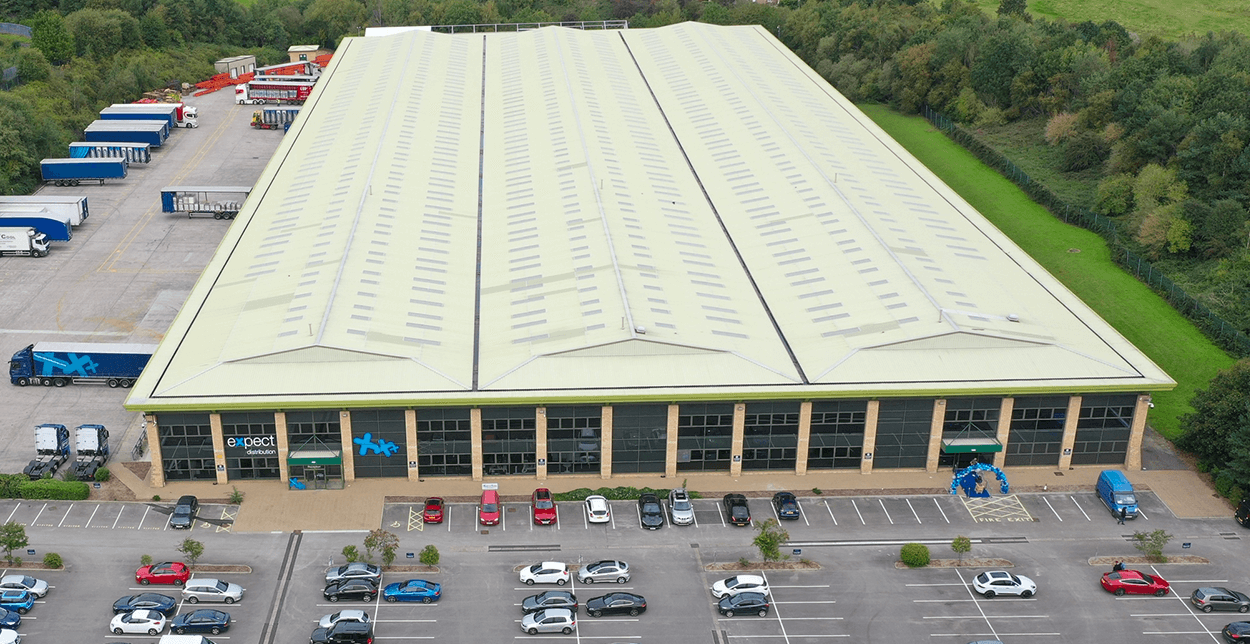
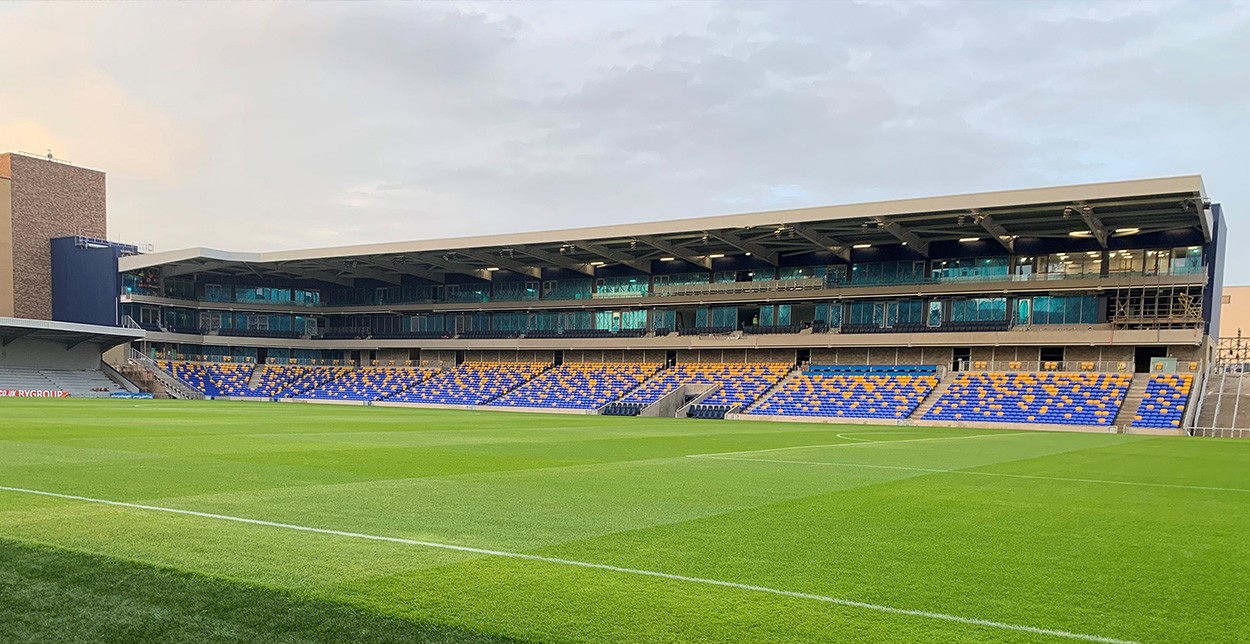
Trusted on sites like these

  • Sellafield Ltd
  • Fulham FC
  • Goodyear
  • Morrisons
  • AFC Wimbledon
  • Reading FC

Commercial fire alarm systems

The right system gives people a clear warning and helps staff locate an activation. We look at the coverage your building needs, then choose equipment that suits each area.

  • Conventional fire alarms

    A conventional fire alarm system shows the zone where an alarm has operated. It can suit smaller premises where a simple layout makes that information easy for staff to use.

  • Addressable fire alarms

    An addressable fire alarm system identifies individual detectors and call points at the panel. That extra detail helps staff locate an activation in a building with several floors or separate areas.

  • Wireless fire alarms

    A wireless fire alarm system uses radio links to reduce detection cabling. We check radio coverage before recommending it, and explain the battery checks and replacements it will need.

  • Smoke, heat and specialist detection

    A kitchen and a high warehouse need different approaches to detection. We select smoke, heat or multi-sensor devices for the conditions, with beam or aspirating smoke detection where the space calls for it.

  • Call points, sounders and visual alarms

    People need to be able to raise the alarm and receive its warning. We position manual call points and select sounders and visual alarm devices around the occupants, background noise and evacuation plan.

  • Connections to doors and other systems

    The alarm may need to release controlled doors or signal other building systems. We check compatibility and test that each connection does what the fire strategy calls for.

Detection that suits the space

Warehouses and high ceilings

Racking and roof height make a difference to where smoke can be detected. We look at the storage layout and air movement before recommending equipment, including beam or aspirating detection where suitable. Access for future servicing matters too.

  • Racking and stockShare your racking layout and any planned changes so we can consider the spaces above and between stored goods.
  • Loading doors and ventilationOpen doors, ventilation and dusty work can influence the type and position of detectors.
  • Reaching equipment at heightWe consider how detectors will be tested and maintained, including areas where access is restricted.

Occupied and historic buildings

Running new cables through a busy building can mean opening ceilings or disturbing finishes. Wireless or hybrid systems can reduce that work. We’ll check the building and plan access with you, including how fire protection will be maintained while the work is under way.

  • Radio coverageWalls, floors and separate wings can affect wireless links. A radio survey checks whether the approach is suitable.
  • Rooms that need to stay in useTell us which areas are busy and when. We’ll discuss installation stages and times for alarm testing.
  • Historic finishesWe’ll discuss cable routes and fixings before work starts, taking account of any permissions the building needs.

Repeated false alarms

False alarms interrupt work and can make people less willing to respond. Cooking fumes, steam or a change in room use may be part of the problem. Share your alarm log with us so we can investigate the pattern and check whether the detectors still suit their surroundings.

  • A useful alarm logRecord the device or zone, the time and what was happening nearby. Those details help us investigate recurring causes.
  • Changes to the roomTell us about new activities or equipment. A detector’s type or position may need to change with the use of the space.
  • A consistent responseKeep following your emergency plan whenever the alarm sounds, even if previous activations have been false alarms.

A clear specification and records you can use

We design commercial systems to BS 5839-1:2025, the code of practice for fire alarms in non-domestic premises. Your fire risk assessment and evacuation plan inform the design; tell us about any insurer requirements too.

  • The alarm category and areas to be covered
  • How everyone in the building will receive a warning
  • What connected doors and other systems need to do
  • Design and commissioning records, with operating instructions

BAFE SP203-1 registered

Centurion’s registration covers fire alarm design, installation, commissioning and maintenance, with third-party certification by NSI. You can check our listing through the accreditations page.

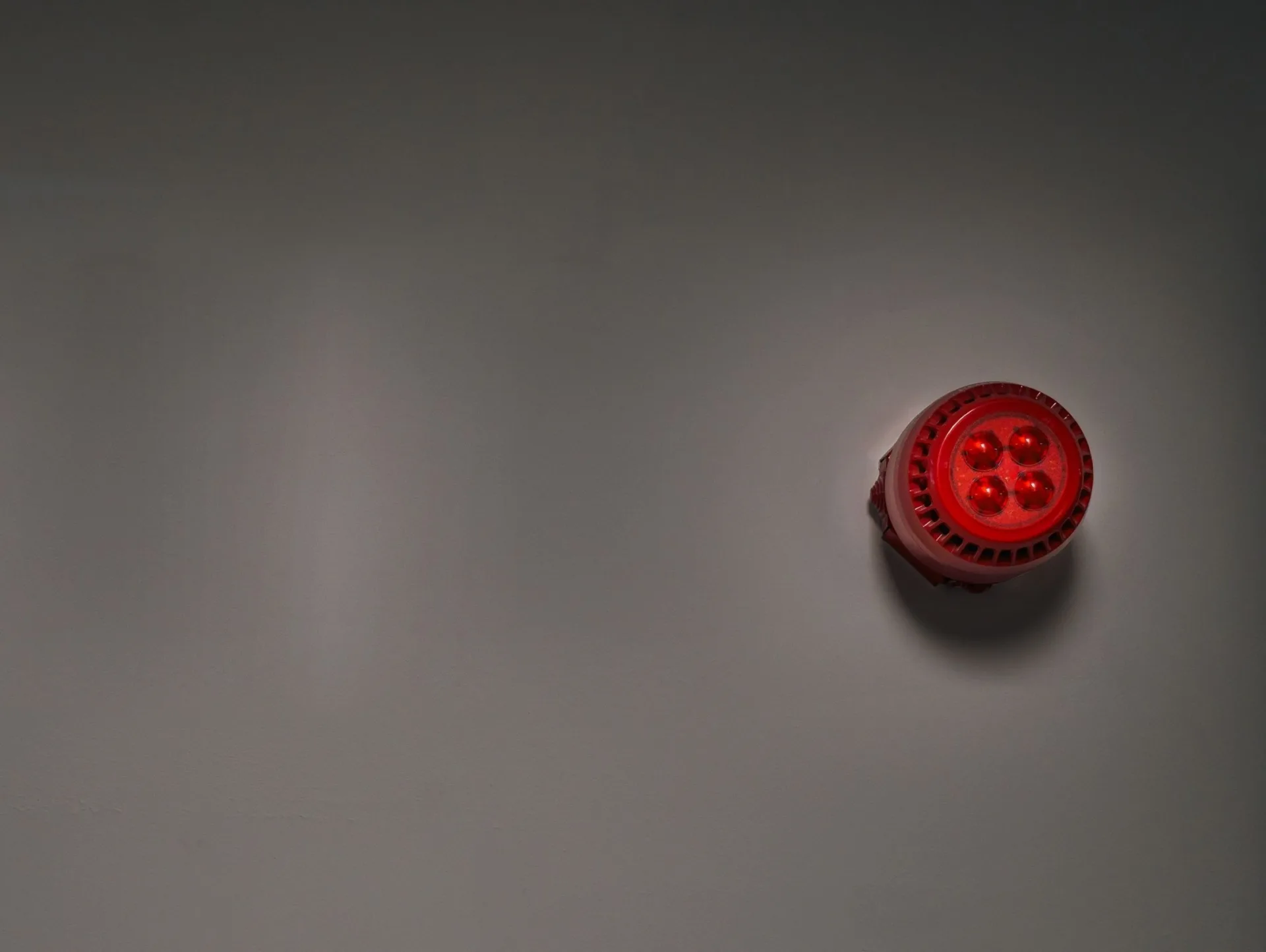
A red fire alarm sounder beacon mounted on a dark grey interior wall
  • ISO 9001:2015

Planning and installing your fire alarm

Bring your building plans and fire risk assessment to the survey. If there’s already an alarm, its records help us see what you have and where changes are needed.

  1. Before you decide

    Survey and design

    We review the building and existing equipment, then set out the proposed design and installation work in your quotation.

    You get: A system specification and quotation

  2. During the planned works

    Installation

    We agree access with your team and fit the equipment, planning how fire protection will be maintained during changes.

    You get: Equipment fitted to the design

  3. Before handover

    Commissioning and handover

    We test the alarm and its connections, explain its operation and give you the records you need to manage it.

    You get: Certificates, zone chart, log book and operating instructions

  4. After installation and ongoing

    Fire alarm servicing and maintenance

    Our maintenance team checks your system and records faults and work needed. We’ll plan the service visits with you and explain the routine user checks to carry out between them.

    You get: Service records and recommended repairs

Fire alarms we’ve fitted

Questions about your fire alarm

How much does commercial fire alarm installation cost?

It depends on the coverage and equipment your building needs, the cable routes and any connections to other systems. Access can make a difference too: working above a busy warehouse floor is different from fitting equipment in an empty office. We survey the premises before quoting and explain what the installation includes.

Can you upgrade our existing fire alarm?

Yes. We’ll check the panel, detectors and wiring before recommending what to retain or replace. Share any service reports, recurring faults and plans for extensions or changes in room use. An upgrade needs to address the building’s current coverage as well as the condition of the equipment.

What is the difference between a system type and an alarm category?

Conventional, addressable and wireless describe how parts of the system work or connect. The category sets out the protection needed: M is manual, L categories protect life and P categories protect property. Your fire safety specialist should establish the category for the premises. We then design the alarm around that specification.

Can a wireless fire alarm reduce disruption?

Yes, it can reduce the need to run new detection cables, which is useful in occupied buildings or where finishes need protecting. Devices still need fitting and testing, and some equipment or connections may need wiring. We’ll check radio coverage and discuss access before recommending wireless equipment.

Does every business need automatic fire detection?

The fire risk assessment should establish what warning and detection the premises need. Some very small, simple premises may not need an electrical alarm; larger or more complex buildings need a different approach. Share your assessment with us so we can discuss the work it calls for.

How often should a commercial fire alarm be tested and serviced?

Weekly user tests and professional servicing are separate jobs. Government guidance for offices and shops in England describes weekly tests and six-monthly servicing by a competent person. We’ll confirm the schedule for your premises and system, and explain the routine checks your team needs to make. Keep tests, faults and service visits in the log book.

Can you maintain a fire alarm installed by someone else?

Yes, after a survey. We’ll review its condition and records, explain any repairs needed and confirm what we can cover. Our maintenance contracts include access to 24-hour emergency call-out; the contract sets out the cover and response terms. You can explore the options on our service and maintenance page.